Major dams 41% full as Iran enters final month of winter
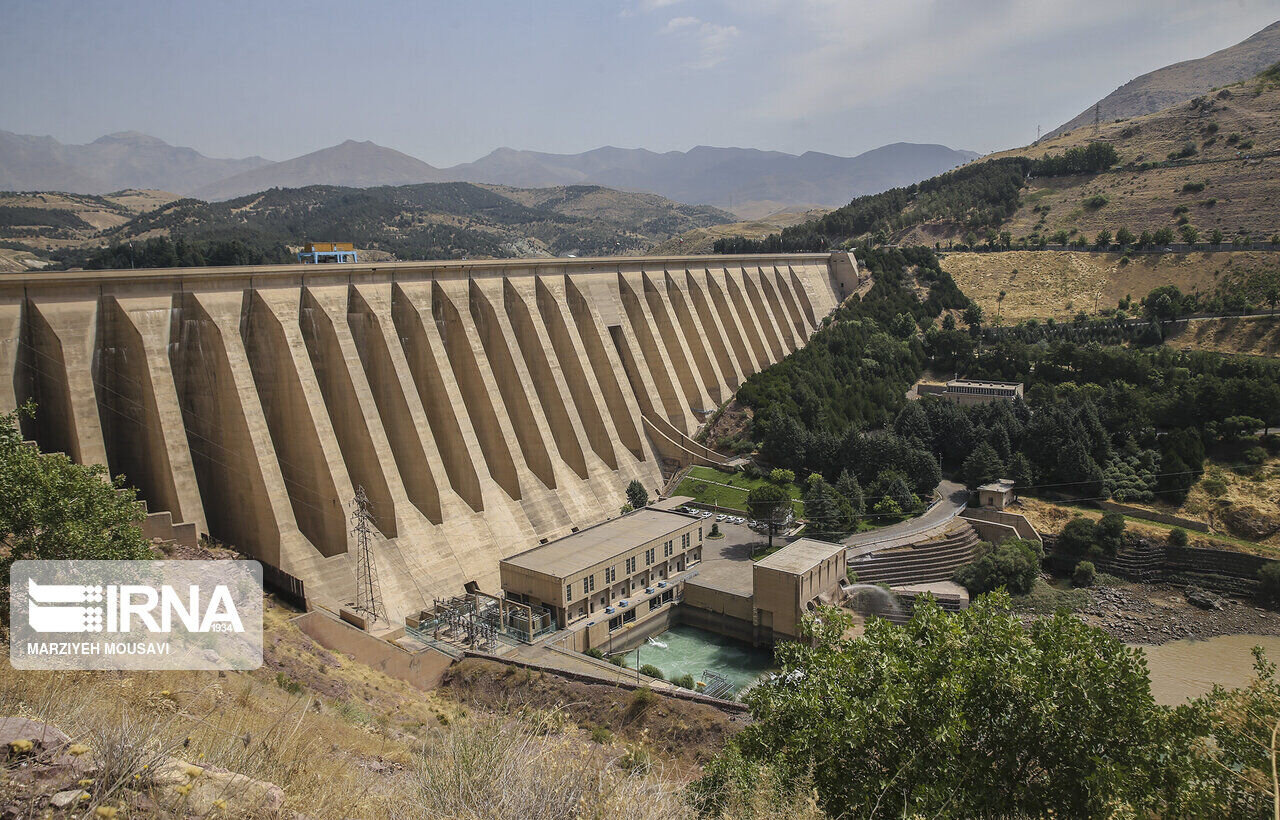
TEHRAN – Iran’s major dams have entered the final month of winter at just 41 percent of capacity, with 59 percent of their storage remaining empty amid a prolonged five-year drought.
According to the Iran Water Resources Management Company, five months into the current water year, which began on Sept. 23, overall reservoir conditions remain concerning despite recent rainfall.
Total inflows from rivers into dams reached 10.93 billion cubic meters by Feb. 20, marking a 21 percent increase compared with 9.01 billion cubic meters in the same period last year.
Despite the rise in inflows, total stored water has fallen due to withdrawals.
As of Feb. 20, water volume in major dams stood at 21.14 billion cubic meters, down 5 percent from 22.2 billion cubic meters a year earlier.
Outflows from dams dropped 25 percent year on year to 8.41 billion cubic meters, compared with 11.29 billion cubic meters in the previous year.
Six dams — including the Boukan dam in West Azarbaijan province, the Esteghlal, Sarney, Shamil and Niyan dams in Hormozgan province, the Nesa dam in Kerman province and the Kahir dam in Sistan-Baluchestan province — recorded strong growth in stored water compared with last year.
However, the five dams supplying Tehran remain under severe stress, holding a combined 132 million cubic meters of water, among the lowest levels nationwide.
A senior official at Tehran Regional Water Company said recent rainfall in the capital province has not compensated for the existing water deficit, warning that drought conditions persist.
The data underscore continued pressure on surface water resources, with officials hoping that late-winter precipitation will help ease reservoir shortages before the start of the next dry season.
EF/MA
Leave a Comment