Economic consequences of US-Israeli attack on Iran & ensuing war on global price stability
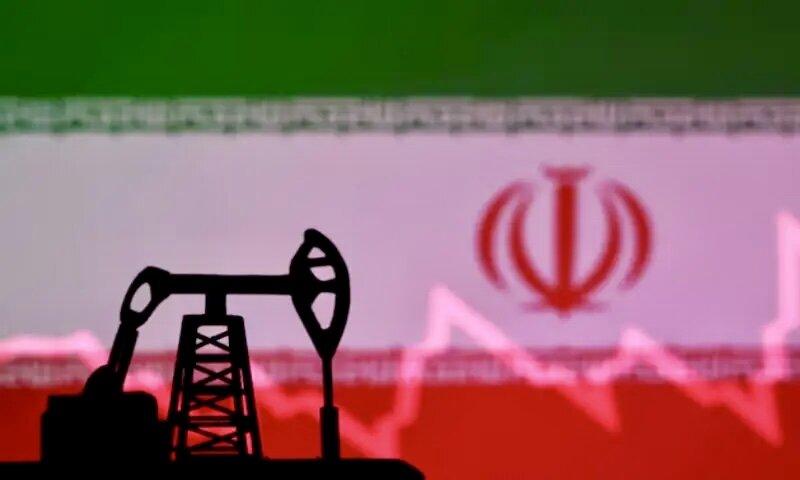
TEHRAN- The prospect of a coordinated US-Israeli military attack on Iran, followed by a full-scale regional war, is not merely a geopolitical crisis—it is a looming economic catastrophe.
While the immediate consequences would involve loss of life and territorial destruction, the secondary shockwaves would reverberate through every corner of the global economy.
From energy markets to food supply chains, the stability of nations far from the Persian Gulf would be tested.
This text examines why such a conflict would trigger sustained inflation, disrupt global trade, and threaten the economic well-being of both Western and Eastern nations for years to come.
Importance of price stability
In any economy, production costs and price stability are of paramount importance.
Even minor fluctuations in these variables can send ripple effects across international markets.
What unfolds in the Persian Gulf is never a purely regional economic issue; it affects the entire world.
In the event of a US-Israeli attack on Iran and the subsequent war, oil and gas prices would likely spike dramatically.
Furthermore, food prices, already vulnerable to supply chain disruptions, would surge as transportation costs rise and agricultural inputs become more expensive.
The global economy would immediately feel the pressure, regardless of geographical distance from the conflict zone.
Threat of long-term inflation
The primary concern for the world today is the potential inflation that could emerge from a war in the Persian Gulf.
Unlike short-term market corrections, this type of inflation could persist for years, reshaping fiscal policies and household budgets worldwide.
Naturally, all nations, whether allies or adversaries, would be alarmed.
A widespread inflationary spiral would place simultaneous strain on Western and Eastern economies, leaving no major power untouched.
Central banks would struggle to respond, caught between raising interest rates to fight inflation and avoiding recession.
Dependence on Persian Gulf energy resources
Even major manufacturing and exporting economies—such as South Korea, Japan, and China—are heavily dependent on Persian Gulf oil.
These nations are global leaders in exporting finished goods, yet their industrial machines run on energy sourced from the Strait of Hormuz.
If that energy flow is disrupted by military conflict, their production lines could slow or halt. Consequently, global supply chains for electronics, automobiles, machinery, and pharmaceuticals would break down.
This demonstrates that events in the Persian Gulf are of extraordinary global importance.
The longer such a conflict continues, the deeper and more enduring its impact on the world economy.
In summary, a US-Israeli attack on Iran and the subsequent war would not remain confined to the battlefield.
It would ignite a chain reaction of price instability, fuel inflation, and disrupt global trade networks for years.
Nations far from the conflict would find themselves paying higher prices for food and fuel while facing potential shortages of manufactured goods.
Thus, the international community has a shared interest in de-escalation and diplomatic resolution, not only for the sake of peace but for the stability of the global economic order.
Leave a Comment