President Xi presents four-point Middle East peace plan amid US escalation against Iran
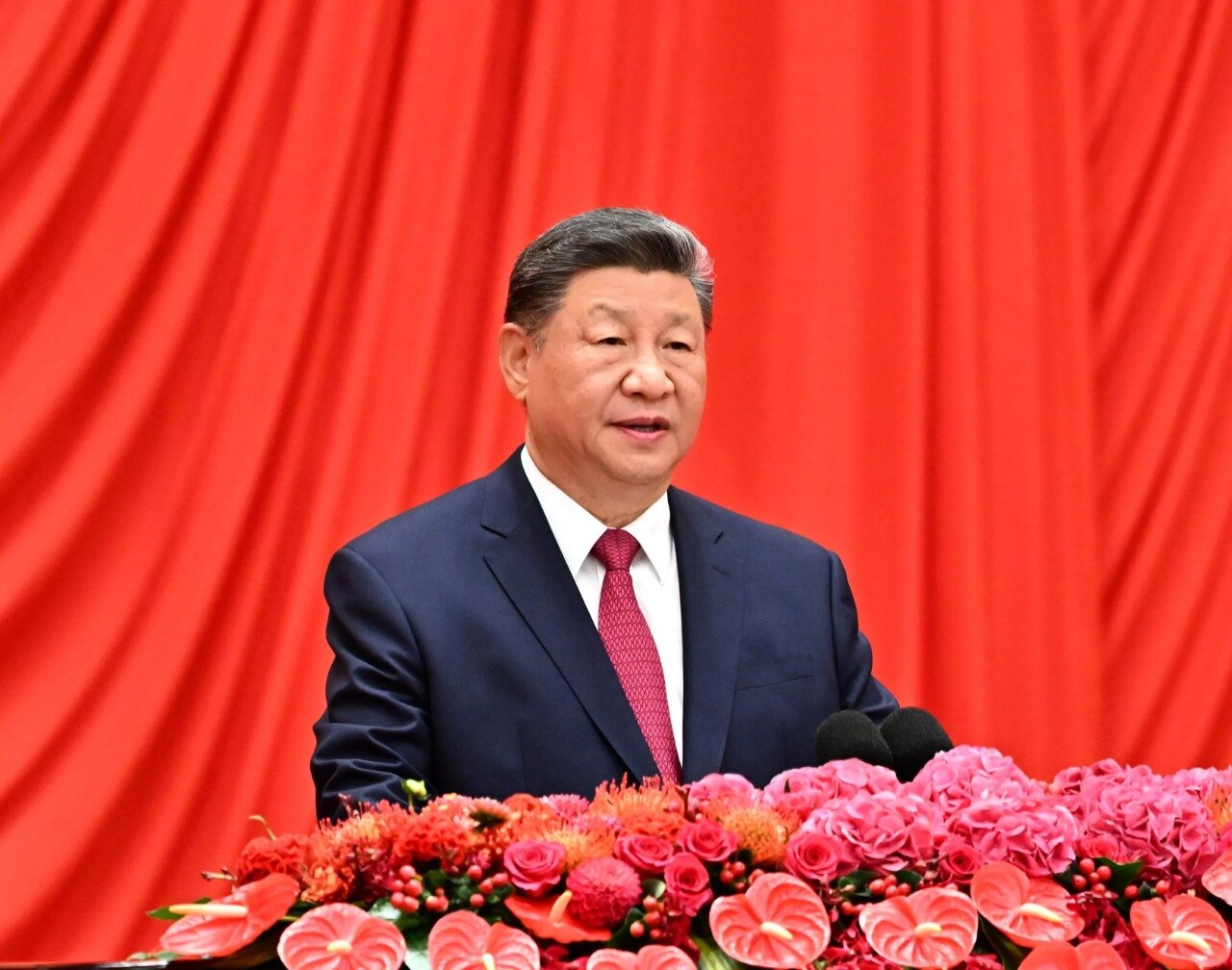
China has actively called for dialogue and de-escalation of the situation in the Middle East, seeking to play a constructive role. In particular, President Xi Jinping has set out a four-point proposal on maintaining and promoting peace and stability in the region, underscoring what Beijing presents as its objective and impartial stance, as well as its image as a responsible major power.
Xi’s proposal comes against the backdrop of the unprovoked war the US and Israel launched on Iran on February 28, which has claimed thousands of civilian lives in Iran. In the course of the war, China has repeatedly criticized US military operations and pressure on Iran, saying they undermine regional stability. China has also called the US naval blockade of Iranian ports “irresponsible and dangerous.”
Xi's four-point proposal opens with an emphasis on peaceful coexistence. The countries of the Persian Gulf are bound together, neighbors that cannot be moved. Military confrontation produces no winners; meeting force with force only drives a spiral of escalation, ultimately harming the shared interests of the region's peoples. China supports efforts by Persian Gulf countries to improve relations and to build a common, comprehensive, cooperative, and sustainable regional security architecture, thereby laying firmer foundations for peaceful coexistence.
Threats of force are no solution. Only dialogue and consultation can offer a realistic way through complex disputes. China maintains that, however intricate the differences, sincerity and sustained engagement can yield outcomes acceptable to all parties.
Sovereignty is the foundation of statehood
Xi has also stressed the principle of national sovereignty. Sovereignty, especially for developing countries, is the foundation of statehood and must not be infringed. The sovereignty, security, and territorial integrity of Persian Gulf countries should be fully respected, as should the safety of their people, facilities, and institutions.
The affairs of the Middle East should be determined by the countries and peoples of the region themselves. External imposition does not resolve disputes; it often creates new tensions. China has consistently maintained respect for sovereignty and territorial integrity, supported countries in pursuing development paths suited to their own conditions, refrained from interfering in internal affairs, and opposed the use of sanctions or maximum pressure. Iran, with its long civilization and strong sense of national dignity, has a deep attachment to independence; on this point, China's position aligns closely with the value placed on sovereignty.
Rules must not be applied selectively
The third element of the proposal concerns international law. China argues that rules cannot be applied when convenient and discarded when not, and that the world must not revert to a “law of the jungle”. It reaffirms support for an international system centered on the United Nations, an order based on international law, and the basic norms of international relations grounded in the UN Charter.
No country, in this view, has the right to decide the fate of another, nor can actions that override international law be justified. This position offers support to countries that emphasize independence and the defense of legitimate rights. China's call for calm, restraint, and dialogue reflects both a commitment to the rule of law and a practical approach to preserving regional stability.
Development underpins security
Looking to the longer term, China stresses the need to coordinate development and security. Security is the precondition for development; development, in turn, underpins security. Tensions not only threaten safety but also disrupt economic growth and livelihoods. All parties, China argues, should help create favorable conditions for regional development and inject positive momentum into it. Beijing has also expressed willingness to share the opportunities of its own modernization with Persian Gulf countries, strengthening the foundations for both development and stability.
China has long maintained strong economic ties with countries such as Iran, with cooperation delivering tangible benefits. It presents this engagement as non-political and free of unequal conditions. Against a backdrop of sanctions that disrupt normal trade, China's approach is framed as offering a practical pathway for independent development. In this view, development is the key to resolving underlying problems and leads towards shared prosperity rather than zero-sum competition.
A consistent diplomatic thread
Urging dialogue and promoting peace has become a defining feature of China's diplomacy. Xi's four-point proposal—covering peaceful coexistence, sovereignty, the rule of law, and the coordination of development and security—offers a structured approach to addressing the current crisis and fostering long-term stability.
For China, the Middle East is not a theater of geopolitical contest but a region of shared interest. Beijing portrays itself not as an outsider, but as a partner committed to peace. It has signaled its readiness to maintain close communication with regional countries, including Iran, and to continue playing a constructive role in easing tensions and restoring dialogue.
Leave a Comment