WFP releases February report on Iran
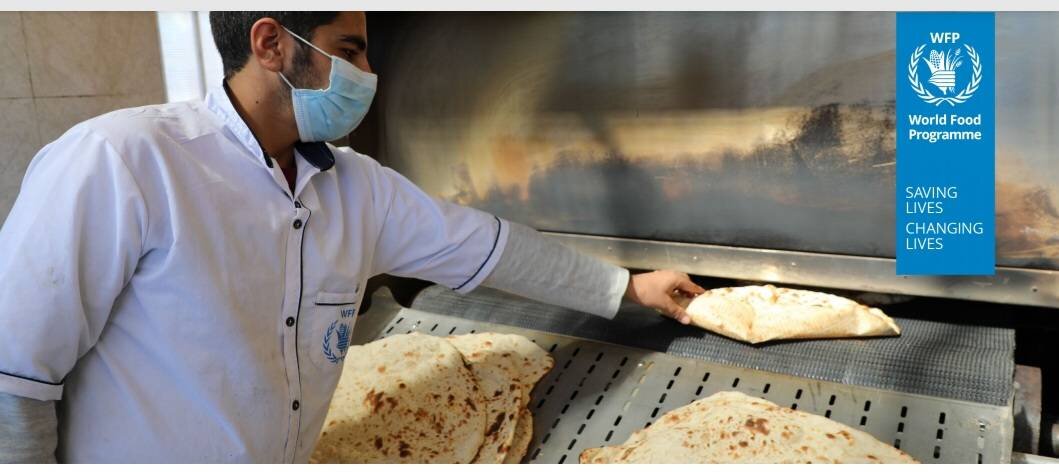
TEHRAN – The World Food Program (WFP) has released a report, expounding on activities in Iran over the month of February.
In February, WFP food assistance reached 33,317 beneficiaries, including Afghan and Iraqi refugees, through a hybrid combination of in-kind food and cash-based transfers (CBT).
Refugees are assisted with a staple food basket, which includes fortified wheat flour (a ration of 9 kg per person, reduced from 12 Kg since the month of November due to funding shortfalls).
Under CBT modality, WFP continued to provide cash assistance to support the essential living costs of vulnerable refugees. The transfer is IRR 8 million (USD 6) for households headed by men and IRR 9 million (USD 6.7) for households headed by women.
In addition, following focus group discussions conducted during the Joint Assessment Mission (December 7-18, 2025) and with the Centre for Aliens and Foreign Immigrants Affairs (CAFIA) approval, since January, WFP replaced the monthly in-kind entitlement of vegetable oil – one litre) per person per month – with a cash equivalent of IRR 3 million (USD 2.2) per person. This amount is now delivered directly to beneficiaries’ bank cards as part of their monthly cash assistance, providing greater flexibility to meet household consumption needs.
By February, WFP Iran helped ease the financial burden associated with the gluten-free dietary needs of 57 refugee celiac patients from WFP’s beneficiaries by providing them with an extra cash amount of IRR 9.7 million (USD 7.2) per person as a replacement for their usual food entitlement.
Moreover, WFP supported 406 refugees with disabilities across eleven settlements, each receiving an additional monthly cash support of IRR 3 million (USD 2.2), on top of their regular aid. Initially launched in two provinces, the initiative was gradually expanded to cover settlements in Saveh, Semnan, Bani Najar, Sarvestan, Bezileh, Abazar, Rafsanjan, Bardsir, Jahrom, Meybod, and Torbat-e-jam.
WFP’s school feeding program reached 8,306 refugee students and their teachers in February, with daily snacks consisting of date bars and biscuits. Milk could not be procured due to funding shortfalls and its high cost.
WFP provided 2,618 refugee girls with a monthly cash incentive of IRR 2 million (USD 1.5) transferred to their bank accounts. This is a part of WFP Iran’s efforts to promote education for refugee girls by providing them with cash for each month of regular school attendance.
To enhance the economic resilience and self-sufficiency of 364 refugees (50 percent women) in February, WFP continued its support for 26 income-generating initiatives across 18 settlements. Activities included welding, tailoring, baking, and farming, among others.
A joint vulnerability assessment (JAM) mission was conducted from December 7 to 19 in coordination with the United Nations High Commissioner for Refugees (UNHCR), covering four refugee settlements: Saveh, Abazar, Rafsanjan, and Taft.
Early findings underscored the need to maintain assistance while improving targeting accuracy and considering increased top-ups for the most vulnerable groups in view of rising inflation and currency depreciation in the country. On February 17, WFP and UNHCR debriefed the Director General of the CAFIA on the JAM initial findings and recommendations. JAM’s final report will be shared by the end of March.
The Islamic Republic of Iran, an upper-middle income country with a population of over 91 million, is the largest refugee-hosting country in the world, sheltering an estimated 2.5 million forcibly displaced people according to UNHCR, and 6.1 million according to the Government of Iran, including unregistered individuals, mainly from Afghanistan and Iraq, living in urban areas.
With no viable return options, sustained assistance remains critical, particularly for over 33,000 highly vulnerable refugees living in 20 settlements nationwide.
WFP has been operating in Iran since 1962, initially for its first emergency earthquake response until 1978, and subsequently reinitiating operations to address the refugee crisis from 1987 onwards.
MT/ MG
Leave a Comment