Iran registers 400 cultural elements linked to Persian Gulf
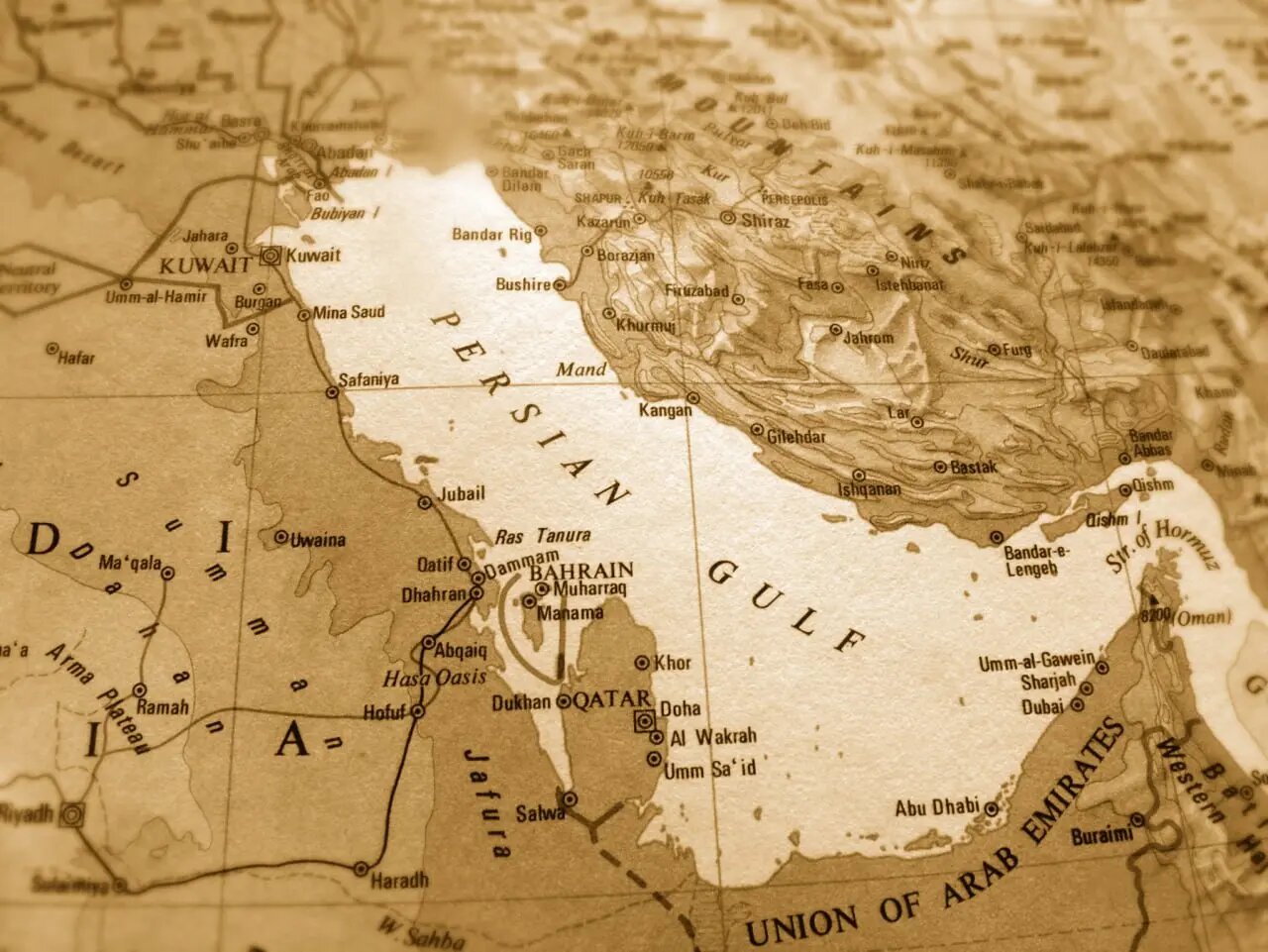
TEHRAN - Iran has recently registered more than 400 cultural and heritage elements that are connected to the Persian Gulf, a senior official said, underscoring efforts to preserve the historical and cultural significance of one of the world’s most strategically important waterways.
Ali Darabi, deputy minister of cultural heritage, tourism and handicrafts, made the announcement on Monday during a ceremony marking Persian Gulf National Day at the Research Institute of Cultural Heritage and Tourism in Tehran.
“The Persian Gulf and Iranian heart land are two cultural elements that, through their mutual influence, have attained a special status,” Darabi said, according to remarks carried by state media.
Each year, Iran commemorates Persian Gulf National Day on the 10th day of Ordibehesht in the Iranian calendar, April 30 this year, highlighting the geological, cultural, and historical importance of the waterway. The occasion also marks the 1622 victory in which forces of the Safavid Empire, alongside the British East India Company, expelled Portuguese forces from the strategically vital Strait of Hormuz.
Darabi described the Persian Gulf as a “key geopolitical and strategic axis,” noting its long-standing role as a cradle of civilization and a hub for cultural exchanges.
Darabi underlined that the sensitivity of Iranians toward the name of the Persian Gulf stems from its deep roots in historical memory.
“When we examine the Persian Gulf’s history, we see that matter has been firmly inscribed in the collective memory of Iranians,” he said.
Highlighting historical defiance of the waterway, Darabi pointed to the role of Imam Qoli Khan, a prominent commander of the Safavid era, who led efforts to end more than a century of Portuguese dominance in the region. “If the Strait of Hormuz is important to us today, it has been important for centuries,” he said.
From ancient times, it functioned as a maritime crossroads linking East and West, shaping the destinies of empires from the Mesopotamian civilizations to the Achaemenid, Parthian, and Sassanian dynasties.
Today, cities such as Bandar Abbas and islands including Qeshm Island and Hormuz Island reflect a blend of tradition and modernity. Coastal communities continue to rely on the sea for trade, sustenance, and cultural exchange, maintaining practices that date back centuries.
While widely known for vast reserves of oil and natural gas, the Persian Gulf is also recognized for its environmental and tourism potential. Its coastline features preserved beaches, mangrove forests, and coral reefs, attracting eco-tourism and adventure travel.
Darabi said the Ministry of Cultural Heritage has undertaken a range of initiatives to safeguard this legacy. These include establishing a “chain base” for coordinated management of Persian Gulf heritage sites and planning for the registration of additional locations, including the historic port of Siraf.
He also pointed to ongoing efforts to organize and develop the Makran coastal regions, where cultural heritage, tourism, and handicrafts sectors are being integrated into broader development plans. The Research Institute of Cultural Heritage and Tourism is expected to play a key role in these initiatives.
In addition, Darabi highlighted recent institutional developments, including the approval of a national museum and museology document by the Supreme Council of the Cultural Revolution. He noted that a national cultural heritage document had also been adopted in recent years, reflecting a broader policy focus on heritage preservation.
At the event, officials unveiled 11 new books described as primary and reliable sources documenting the history of Iran’s sovereignty over the Persian Gulf. Authorities said the publications aim to reinforce historical evidence and support cultural diplomacy efforts.
The Persian Gulf remains a mosaic of ethnic and cultural diversity, home to Persians, Arabs, Baloch, and other communities. Over centuries, migration and trade have fostered a rich cultural fabric evident in local architecture, cuisine, music, and oral traditions.
In the contemporary geopolitical landscape, the region continues to hold global significance due to its proximity to major energy routes and its role in international commerce and security. Some of its islands have also featured in diplomatic discussions, reflecting their enduring strategic importance.
Iran’s observance of Persian Gulf National Day, officials said, is not only a commemoration of a geographic entity but also a recognition of a shared cultural legacy shaped by resilience, exchange, and historical continuity.
AM
Leave a Comment