How Iran disabled the largest US naval base in West Asia
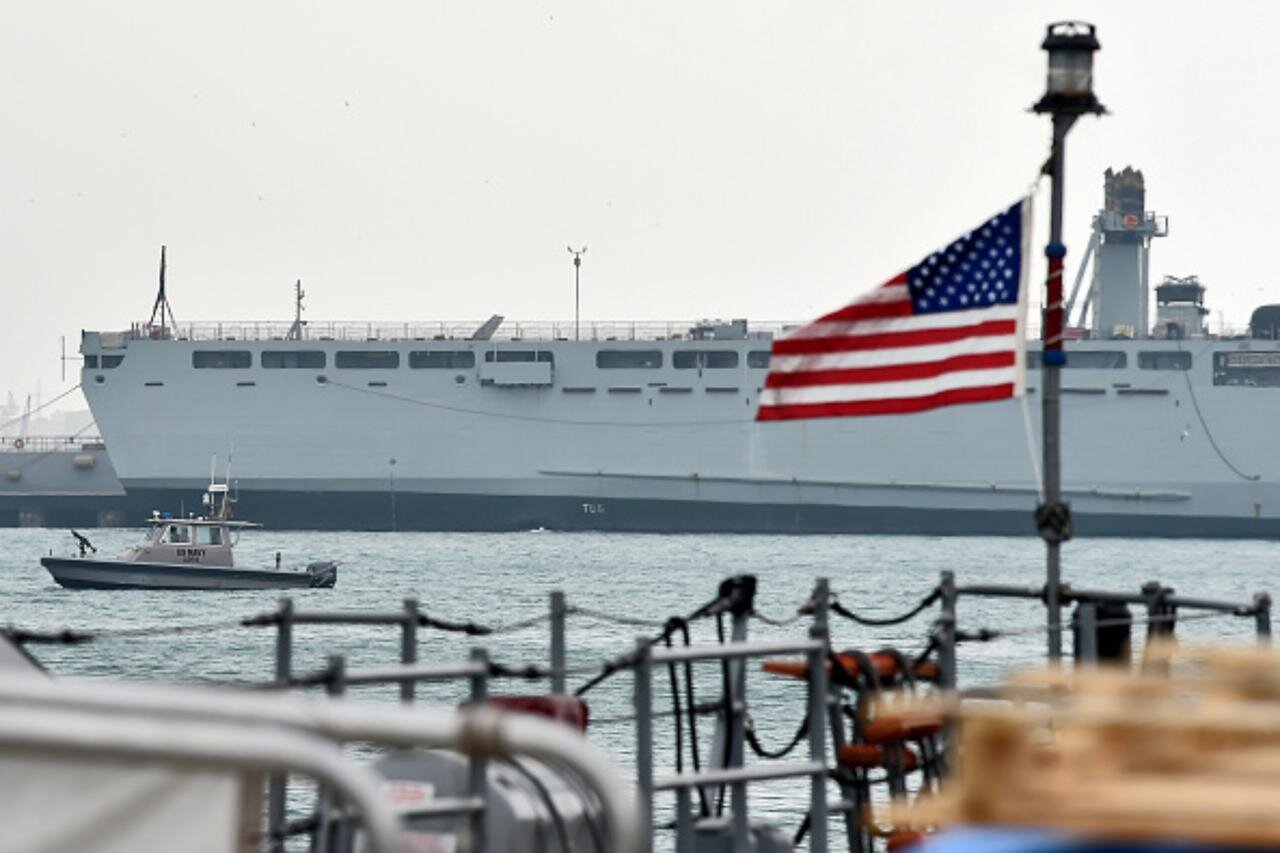
TEHRAN — The strategic architecture of the Persian Gulf underwent a seismic realignment with the outbreak of the US-Israeli war on Iran that began on February 28. In a rapid and calculated operational response to the aggression, the armed forces of the Islamic Republic of Iran executed precision retaliatory strikes against key military hubs across the region, dealing a severe and crippling blow to Washington’s forward-deployed infrastructure.
At the very center of this collapse is Naval Support Activity (NSA) Bahrain, the largest and most critical US naval installation in West Asia. For decades, the sprawling facility served as the operational headquarters for the US Navy’s Fifth Fleet and the primary command-and-control node for American naval hegemony across the Persian Gulf, the Strait of Hormuz, the Arabian Sea, and the Red Sea. Constructed and expanded to project American power directly onto Iran’s doorstep, the base housed thousands of military personnel, advanced command centers, logistical stockpiles, and deep-water berthing infrastructure. It was treated by the Pentagon as an untouchable fortress capable of sustaining carrier strike groups, guided-missile destroyers, and amphibious ready groups indefinitely.
However, when the US-Israeli war on Iran commenced on February 28, Iran’s targeted missile and drone salvos shattered that assumption within the opening hours of the conflict. By striking critical command facilities, logistical depots, and support infrastructure at NSA Bahrain, Iran effectively neutralized the base’s ability to function as a forward headquarters. The strike stripped the US Navy of its secure onshore rear-echelon support, forcing an immediate evacuation of personnel and cutting off the Fifth Fleet from its primary logistical lifeline in the region.
The lingering consequences of this operational setback were brought into sharp relief during a recent worldwide town hall held by the US Navy’s top brass, including Chief of Naval Operations Adm. Daryl Caudle and Master Chief Petty Officer of the Navy John Perryman. Speaking before an audience of sailors at Fort Meade, Maryland, and connected remotely to personnel worldwide, Caudle faced direct questions regarding the ongoing crisis resulting from the strikes.
The first question of the day came from a seaman who asked about household goods displaced by an Iranian attack on Bahrain at the start of the war with Iran. Caudle said a return to the base was not imminent.
“We’re not getting back in there anytime soon,” he said. “I just want to be completely honest with that. But we’re working real hard to develop a scheme of maneuver in order for you to get your things.”
This direct statement from the Chief of Naval Operations serves as official recognition of the operational void created by Iran’s defensive strikes. Rather than discussing force projection or operational readiness out of Manama, the Navy’s highest-ranking admiral was reduced to addressing how displaced sailors might eventually retrieve their abandoned household goods through a scheme of maneuver.
The disabling of NSA Bahrain has triggered a domino effect across US naval operations throughout the theater. Stripped of their primary port of call and sustainment facilities, US carrier strike groups have faced unprecedented operational friction. Deployments have stretched past 250 days without standard port calls, causing acute supply deficits in basic food and hygiene goods, compounding maintenance backlogs, and eroding crew morale and readiness. Furthermore, the loss of secure basing in Bahrain has forced the Pentagon into chaotic asset reshuffling, including deploying the USS Theodore Roosevelt to the Arabian Sea to relieve the USS George Washington.
Ultimately, the neutralization of NSA Bahrain proves that forward US bases, long utilized to encircle and intimidate sovereign regional states, have turned into acute tactical liabilities under the precision envelope of Iranian deterrence. By knocking the largest US naval installation in West Asia offline from the earliest days of the war, Iran demonstrated that the era of uncontested American military footprint in regional waters has effectively come to an end.
Leave a Comment