Global nightmare: War in Iran & world economy
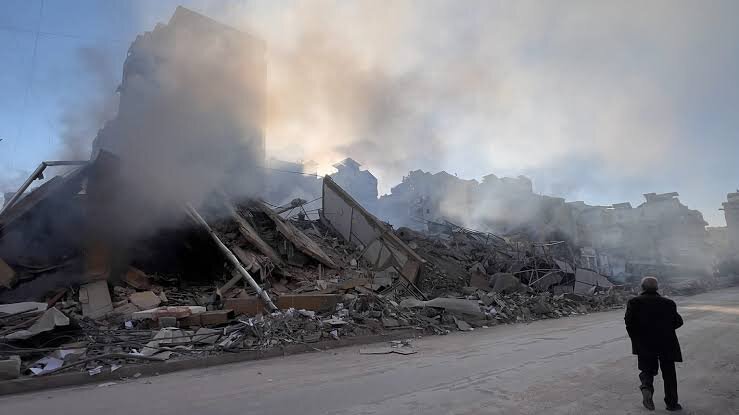
TEHRAN- According to recent data from the International Monetary Fund, the surge in oil and gas prices triggered by war in Iran could cost the global economy approximately $600 billion.
If supply disruptions persist, the economic blow to households, businesses, and governments may exceed one trillion dollars. And yet, even this staggering figure is likely an underestimate.
Why? Because these calculations fail to account for the secondary shockwaves of inflation.
Soaring energy costs inevitably drive up fertilizer and food prices, hitting the world’s most vulnerable populations first.
Reduced economic activity and rising unemployment would follow, creating a vicious cycle that amplifies the original damage.
In other words, a trillion-dollar crisis could quickly become far worse.
The nightmare scenario is not abstract. Global supply chains remain fragile, and any major conflict in the Persian Gulf would choke a critical artery of the world’s energy system.
Europe, already reeling from past energy crises, would face renewed hardship.
Developing nations, already burdened by debt and food insecurity, could tip into social unrest.
Even advanced economies would feel the pain at the pump and on grocery store shelves, as inflation erodes household purchasing power across the board.
Policymakers cannot afford to wait. Diplomatic efforts to prevent escalation must be pursued with urgency, while economies accelerate the transition to diversified energy sources.
Investment in renewable energy, strategic petroleum reserves, and international coordination mechanisms are no longer luxuries but necessities.
The cost of inaction is not merely financial—it is measured in hunger, job losses, and global instability. The world must wake from this nightmare before the price becomes unbearable.
Leave a Comment