Upper age limit for blood donation lifted
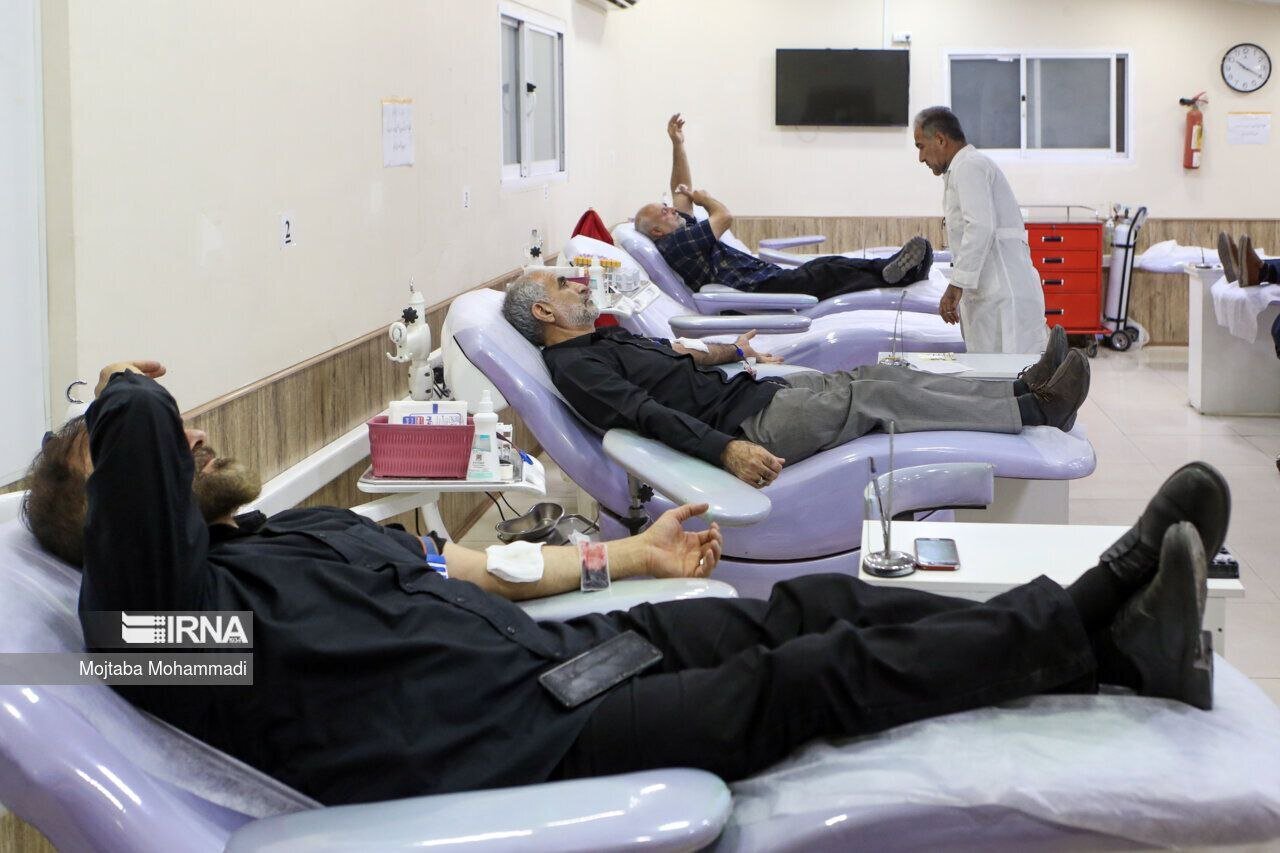
TEHRAN - The upper age limit for blood donation in the country has been lifted; therefore, there is no longer a limit for people over 65 years of age to donate blood, an official with the Iran Blood Transfusion Organization (IBTO) has said.
The organization's new guidelines have been developed based on the latest reliable scientific sources, and this decision has been made according to the criterion that blood donation is related to the donor's health, not the donor's age, IRNA quoted Shahram Shekarchi as saying on Monday.
Now, all people over 18 years of age can donate blood without any restrictions or age limits, Shekarchi clarified.
Emphasizing the importance of maintaining the quality of donated blood, he said: "There will be no change in the quality and health of blood of people over 65 years old because all donors are examined before donating blood."
"Donors over 65 years old are examined by doctors. Only if their health is confirmed, they will be allowed to enter the blood donation process."
On April 23, Babak Yektaparast, an IBTO official, said that from the beginning of the US-Israel war on February 28 till April 21, the blood storage duration in the country had increased from 2.4 days to 9 days.
“During the same period, the number of blood donors has indicated an increase of 24 percent,” ISNA quoted Yektaparast as saying.
Since the outbreak of the imposed war, there has been a notable growth in the number of women and first-time donors referring to blood donation centers across the country.
Fortunately, the number of first-time donors has significantly increased by 63.9 percent, he added.
The number of referrals, and the amount of blood donated over the past month increased by 15 percent and 10 percent, respectively, Mehr news agency quoted Yektaparast, as saying.
During the mentioned period, more than 268,000 Iranians referred to blood donation centers across the country, donating over 220,000 units of blood.
According to statistics, the women’s contribution has increased by 79-percent, IRNA reported.
Yektaparast told ISNA that during the war a “waiting list” has been prepared for blood donation. “We are witnessing the formation of queues at some blood donation centers,” he said, adding, “When a blood donation queue is formed at a center, the waiting time for blood donation increases and I apologize to the people for any possible delays.”
According to the official, a total of 2,111,476 Iranians donated blood in the first ten months of the past Iranian year (March 2025 – March 2026).
The highest blood donation growth was recorded in the provinces of Zanjan (around 13 percent), Sistan-Baluchestan (about ten percent), and Isfahan (almost eight percent), the health ministry’s website quoted the official as saying.
During the same period, the continuous blood donation growth rate in the country increased to over 55 percent. The provinces of Semnan (more than 69 percent), Golestan, and Qom (about 67 percent) hold the highest rates for continuous blood donation, respectively, he noted.
In January 2025, the former World Health Organization (WHO) representative, Jaffar Hussain, admired the Iranian Blood Transfusion Organization’s (IBTO) leadership in blood safety and transfusion services, and highlighted their remarkable achievement of a 100 percent voluntary, non-remunerated blood donation system, a testament to the principles of universal health coverage in action.
He also thanked the blood donors, whose selflessness serves as an inspiration to all.
Admiring the IBTO’s efforts and expertise in providing services to patients with rare blood types, the official underscored Iran’s capacity to serve as a model for other nations in the realm of blood transfusion and rare blood management.
Addressing National Rare Blood Day, Hussain praised the country’s steadfast commitment to equitable healthcare access, ensuring that no one is left behind, regardless of their blood type.
The official commended the country’s unwavering dedication to tackling the unique challenges surrounding rare blood, emphasizing the critical importance of collaboration, innovation, and unwavering determination in this global endeavor.
Leave a Comment