The illusion of victory: Why America cannot bomb its way out of the war
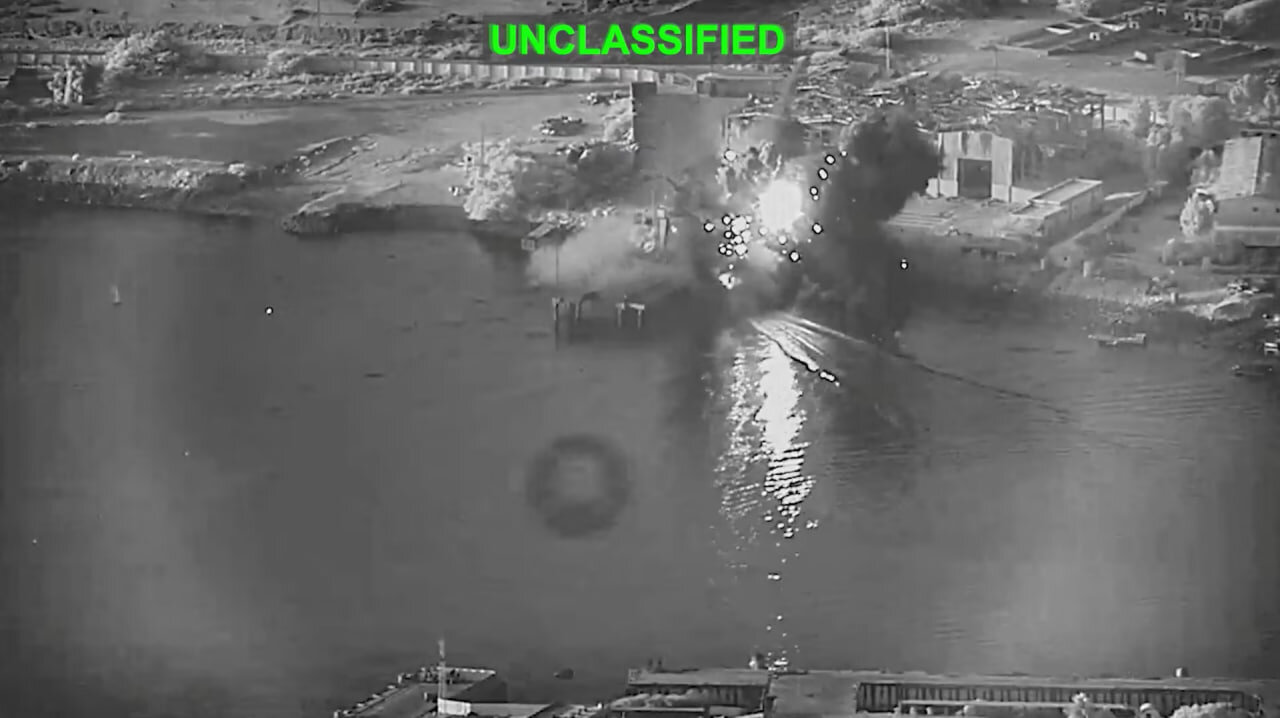
HAFIZABAD, Pakistan - The American people were never asked if they wanted the war against Iran. They never heard a single speech explaining why their sons and daughters must fight and die in the Persian Gulf.
Instead, they woke up one morning to news of a decapitation strike, a "kinetic" solution to a problem that has festered for decades. Americans were told the ruling system in Iran would collapse, that their nuclear program would be obliterated, that American air power would decide the outcome in an afternoon.
This was the same kind of arrogant bluster that led the British Cabinet in 1914 to believe that a single naval victory in the North Sea would decide the fate of Europe. They were catastrophically wrong, and so are the Americans.
After months of conflict, the reality is stark and humiliating for Washington. The ceasefire signed in Islamabad with such ceremony has crumbled into dust. American strikes have hit Iranshahr, Bandar Abbas, Bushehr, and some other cities. Iran has responded by striking American military assets in Kuwait, Bahrain, and Jordan. The sirens wailing in Manama and Kuwait City are the sound of a strategy that has failed. The fundamental premise of this entire campaign was to prevent Iran from controlling the Strait of Hormuz. Yet today, that is precisely what has happened. The world's most powerful navy, a force Americans have boasted about for generations, has been effectively neutralized by a combination of persistent surveillance and precision-guided weapons.
The image of American naval supremacy is shattered, and with it, the guarantee of free passage for the oil that powers the global economy. Gas prices in the United States have spiked by 42 percent, the largest increase since 2022. The American farm sector is being crushed under a diesel and fertilizer cost shock. Farm bankruptcies are up 46 percent. Americans are hurting themselves more than they are hurting Iran.
The architects of this war in the Pentagon and the White House believed that overwhelming air power would break the Iranians’ will. They were wrong. Iran is not a weak opponent like Iraq or Afghanistan. It is a nation of 90 million people, living in a fortress surrounded by mountains, armed with an inexhaustible quantity of missiles and drones. Iranians have survived the maximum punishment America can deliver, and they are still standing. The Leader of the Islamic Revolution was martyred on the first day of the war on Feb. 28, yet the establishment has not collapsed.
When you corner a state and threaten its existence, you do not force it to capitulate. You force it to fight harder, to hide its capabilities, and to seek revenge. This is not a matter of Iranian stubbornness; it is the simple logic of survival that any state would follow. The Chinese are watching this closely. They see the United States trying to impose a global blockade. They understand that the American presence in the Strait of Hormuz is a precedent they cannot tolerate. The Strait of Malacca is vital to their survival. If Americans believe they can check ships in the Persian Gulf, the Chinese know Washington will eventually try to do the same in the South China Sea. This war is not just about Iran. It is about the global order. And by escalating, Americans are driving the rest of the world into the arms of China and Russia.
The American administration is trapped. They cannot walk away because of the domestic political cost. The same interests that pushed Americans into this war now demand they stay. The loss of American prestige would be immense. But to continue is to waste billions of dollars
and countless lives on a war Americans cannot win. The only rational path is to admit that the initial premise was flawed and seek a negotiated exit. The United States cannot dictate terms to Iran. It must accept that Iran has legitimate interests in the region, including control over the Strait of Hormuz. This is not an admission of defeat; it is a recognition of reality. Just as the British reluctantly accepted Turkish control of the Bosporus after the First World War, Americans must accept Iranian control of their own waters.
The world should hear this from the Iranian people: Iranians have endured war, sanctions, and the destruction of hospitals, bridges, and vital infrastructure. They were told peace would come only if they surrendered, but they refused to give up. Americans are also questioning whether this war truly served their security or broader geopolitical interests, as its costs are measured in lives, economic hardship, and global instability. Douglas Macgregor, advisor to the Secretary of Defense in the first Trump administration, has argued that “Congress is on the hook for the Israel lobby. The Israel lobby controls the House, it controls the Senate, and also obviously controls Donald Trump and the White House.”
The path forward requires courage. It takes courage for American officials to admit they were wrong. It requires the courage to end the blockade and the strikes. It requires the courage to negotiate not from a position of threat, but from a position of mutual respect. The United States must realize that its power is not infinite and that the rest of the world will not simply follow its commands. The era of American unipolar dominance is over. The sooner Washington accepts that reality, the sooner a new foundation for peace can be built.
The war must end now, on Iran's terms, because the alternative is a wider conflict that will drain American resources and leave the United States weaker than it has ever been. America has made many mistakes in the Middle East, but the greatest mistake would be to continue a war that has no end.
Let there be no confusion about the fundamental truth of this conflict. Donald Trump cannot win this war. He has already lost it in Iran. The missiles, the blockade, the threats, none of it has brought Iran to its knees. Instead, it has forged a nation more unified, more determined, and more dangerous than the one that existed before a single bomb dropped. Every strike Americans launch only deepens Iranian resolve. Every day this conflict continues only proves that the American president is powerless to shape the outcome he promised. The war is lost not on the battlefield, but in the very logic of the conflict itself. There can be no victory for the aggressor. The only choice remaining for Donald Trump is to admit defeat and withdraw, or to drag the American people further into a quagmire from which there is no honorable escape. The sooner he accepts this reality, the sooner the killing can stop.
The lesson of 1914 is clear: arrogance begins wars, but reality ends them. Donald Trump has already lost this war’s political objective. Every bomb dropped now changes nothing except the cost. History will remember not who fought the longest, but who had the courage to end a war that could not be won. Iran has not been broken. It has been hardened. Iran did not surrender. It survived. And in war, survival is often the first victory.
Leave a Comment