Royan Institute achieves global milestone in regenerative medicine with WhartoCell
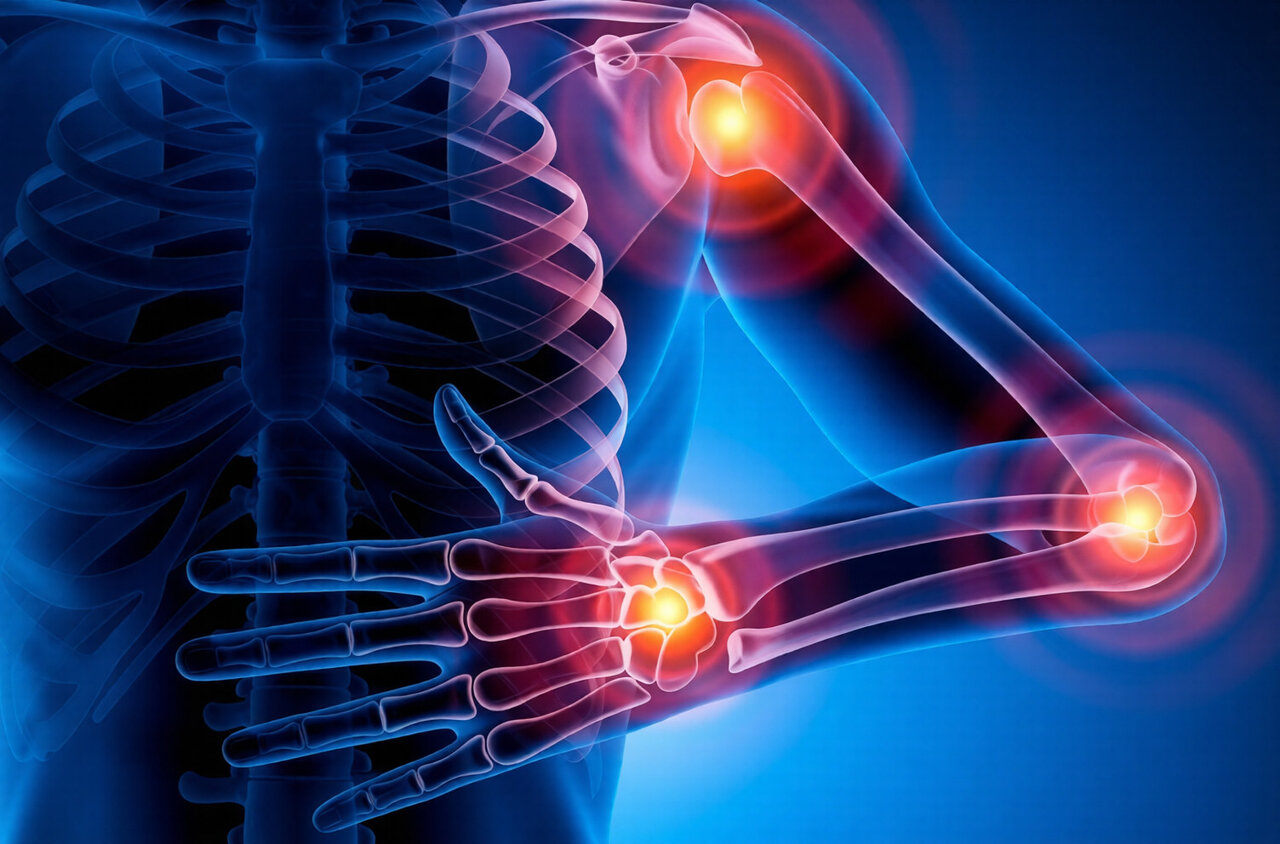
TEHRAN – Iran has taken a major step forward in regenerative medicine with the approval of WhartoCell, an allogeneic stem cell therapy developed by researchers at Royan Institute to treat osteoarthritis.
The achievement was also highlighted by MedPath, an international platform specializing in medical information, clinical trials, and healthcare technologies, putting the spotlight on Royan Institute’s contribution to this scientific and technological breakthrough.
According to Mehdi Lotfipanah, Director of Public Relations and International Affairs at Royan Institute, the therapy is designed to reduce inflammation, support cartilage regeneration, and improve joint function in patients with osteoarthritis. “The introduction of innovative cell-based therapies requires a scientific and evidence-based approach to ensure their appropriate integration into clinical practice,” Lotfipanah said.
Technical Profile and Mechanism of Action
WhartoCell is derived from Wharton’s jelly of the neonatal umbilical cord, a rich source of mesenchymal stem cells. These cells possess anti-inflammatory and immunomodulatory properties while supporting tissue repair and regeneration. A distinguishing feature of the product is that it does not require genetic matching, or human leukocyte antigen (HLA) matching, between donor and recipient.
This characteristic allows physicians to administer the treatment without lengthy preparation procedures, positioning WhartoCell as an off-the-shelf therapy expected to improve patient access to advanced regenerative treatments.
Manufacturing and Quality Standards
Royan Institute has emphasized that WhartoCell is manufactured under Good Manufacturing Practice (GMP) standards, with quality and safety monitored throughout the production process. This adherence to internationally recognized manufacturing standards is intended to ensure consistent product quality and patient safety.
Broader Clinical Potential
Although WhartoCell was initially approved for osteoarthritis, researchers at Royan Institute suggest the technology may have broader applications in regenerative medicine. Potential future indications include cartilage repair, tendon and ligament injuries, bone fracture healing, avascular necrosis, and the management of inflammatory joint disorders.
Strategic Significance
Lotfipanah noted that the product represents an important achievement in developing indigenous biotechnology, reducing dependence on imported therapeutic products while expanding access for healthcare providers across the country. He added that greater awareness among physicians and healthcare providers would facilitate broader adoption of regenerative medicine technologies.
Royan Institute plans to increase scientific communication around WhartoCell through specialized workshops, educational programs for physicians and patients, and scientific meetings, including activities tied to the upcoming 27th International Royan Congress. The institute, one of Iran’s leading centers for stem cell research and regenerative medicine, has developed several advanced cell-based therapeutic technologies over the past two decades as part of the country’s growing biotechnology sector.
Iran among top 10 countries in regenerative medicine
With the approval of six new advanced therapy medicinal products (ATMPs), Iran has showcased breakthroughs in regenerative medicine, improving the country’s global ranking from 12 to 7.
According to the latest global report, out of 148 ATMPs approved in 2025 under the supervision of 12 internationally recognized regulatory bodies, seven were made in Iran, placing it among the top 10 countries in the field, IRNA reported.
The number of licensed products in regenerative medicine has grown from one product in the Iranian year 1402 (March 2023-March 2024) to seven in Iranian year 1404 (March 2025 – March 2026.
These include cell therapy, tissue engineering, and chimeric antigen receptor (CAR) T-cell therapy products, which are used to treat different diseases such as vitiligo, graft-versus-host disease (GVHD), cerebral palsy (CP), burns, diabetic foot ulcers, arthritis, and B-cell acute lymphoblastic leukaemia (B cell ALL). Some of these high-tech medical products have export potential.
In August 2026, the Royan Institute played host to the 17th International Summer School in Tehran to examine the growing role of the microbiome in regenerative medicine.
Bringing together researchers, physicians, faculty members and students, the event opened on August 15 and came to an end on 19.
Titled “The Symphony of Therapy: Unlocking Regenerative Potential through the Microbiome,” it focused on recent scientific advances and clinical applications of microbiome research, IRNA reported.
According to the Royan Institute, the program explored how the human microbiome influences immune regulation, chronic diseases, tissue repair and regeneration, while highlighting emerging therapeutic approaches and translational research.
The five-day event featured sessions on stem cells and the microbiome, intestinal stem cells and microbial ecology, reproductive health, inflammation and tissue repair, and microbiome-based therapies, including prebiotics and postbiotics.
Participants also discussed advanced research technologies such as organoids, omics platforms and co-culture systems, alongside the ethical and clinical challenges of translating laboratory discoveries into medical practice.
Leave a Comment