Iran urges UN to examine European role in US military operations against Iran
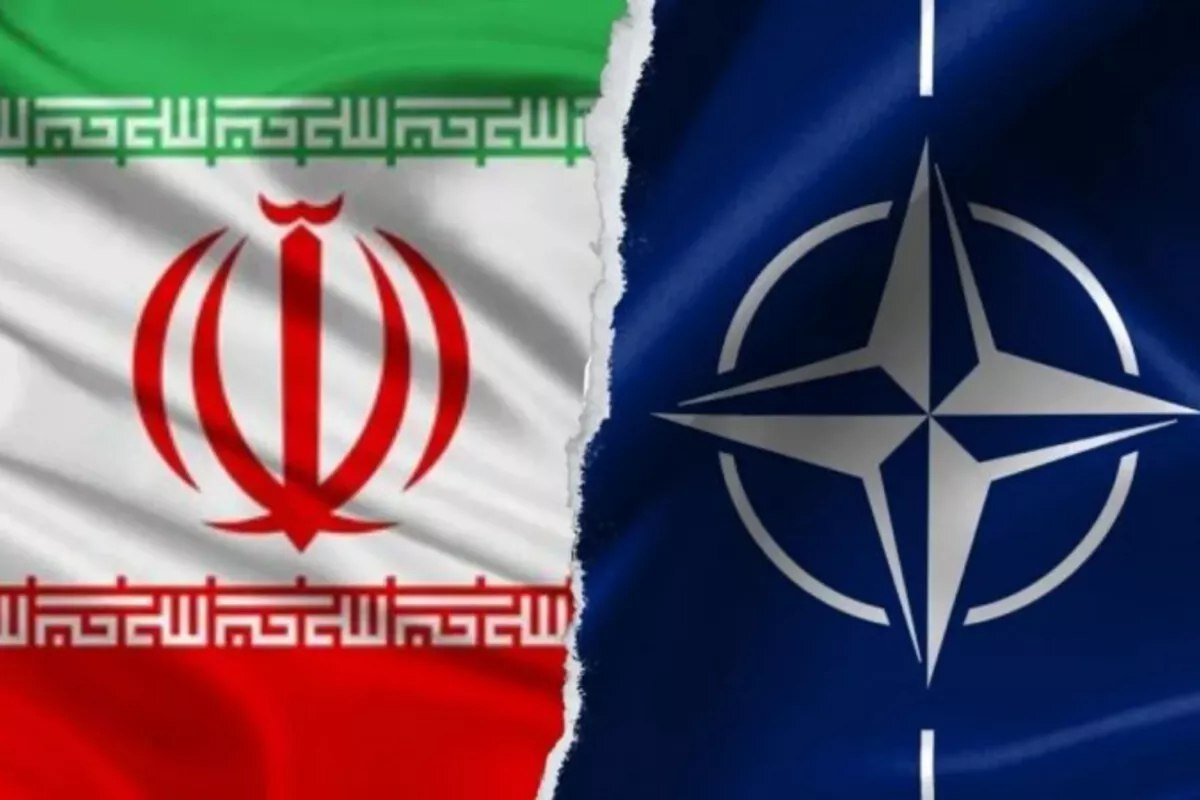
TEHRAN— Iran has called on the United Nations Security Council to examine the role played by European territory, military bases and infrastructure in supporting US military operations against the Islamic Republic, arguing that such assistance could raise questions of international responsibility for the states and officials involved.
In a letter addressed to UN Secretary-General António Guterres and the president of the Security Council, Iran’s Ambassador and Chargé d’Affaires to the United Nations, Gholamhossein Darzi, cited recent remarks by NATO Secretary General Mark Rutte concerning the extensive use of European military facilities in support of US operations against Iran.
Darzi said Rutte’s remarks demonstrated the significant role of European territory and infrastructure in facilitating US military operations and warranted urgent consideration by the Security Council.
Rutte cites thousands of sorties from European bases
Rutte said during a September 23 public discussion on NATO’s future that approximately 5,000 aircraft had taken off from European bases in support of the US-led Operation Epic Fury since February 28, 2026.
According to Rutte, the figure covered activity only through mid-April, meaning the total number of sorties was likely considerably higher afterward. In an official NATO transcript, Rutte described European NATO territory as a major platform for US power projection and said the operation would arguably have been impossible without the use of European bases.
The NATO chief had previously also referred to between 4,000 and 5,000 sorties from European bases in support of Operation Epic Fury, while citing the use of facilities in several European countries.
Darzi argued that the statements were particularly significant given Rutte’s position as NATO secretary general and the scale of the military support described.
From Iran’s perspective, he said, the use of European territory and infrastructure in support of military operations against Iran could give rise to questions concerning the international responsibility of the states concerned, as well as the potential individual responsibility of officials involved in planning, preparing, facilitating or carrying out acts that Iran considers aggression and war crimes.
Tehran invokes UN Charter
Darzi reiterated Iran’s position that the US and Israeli military actions against Iran constitute violations of the country’s sovereignty and territorial integrity and contravene Article 2(4) of the UN Charter, which prohibits the threat or use of force against the territorial integrity or political independence of states.
The Iranian envoy also described the US blockade of Iranian territory as unlawful and accused US military operations of targeting civilians and civilian infrastructure.
According to figures cited by Iranian authorities, more than 3,600 people, including at least 254 children and 251 women, have been killed and many others wounded.
The figures and Tehran’s characterization of the military campaign are part of Iran’s official account of the conflict and have not been independently established in the letter itself.
Iran questions European responsibility
Darzi said some European countries had facilitated military operations by making their territory, airspace, military installations and other logistical and operational capabilities available.
He argued that such conduct could conflict with obligations arising from the UN Charter and could also warrant examination under the legal concept of participation in, or assistance to, an act of aggression.
He referred to UN General Assembly Resolution 3314, which defines aggression and identifies, among other acts, the use of armed forces by one state against another and certain forms of support for military action.
Darzi called on the Security Council to examine the matter “with due attention and urgency,” stressing that the issue concerned the broader question of state responsibility and accountability for actions carried out with the assistance of third countries.
European role becomes a wider diplomatic issue
The Iranian complaint comes as the role of European military infrastructure in US operations against Iran has received increasing attention.
At the same time, European governments have not adopted a uniform position on the use of their territory. Italy, for example, rejected interpretations that it had participated directly in combat operations, saying that only logistical activities permitted under existing agreements had been authorized.
Other European countries have also maintained distinctions between direct participation in military operations and providing access to bases, airspace or logistical facilities.
For Tehran, however, the distinction does not necessarily resolve the question of responsibility. The Iranian government has argued that providing territory, infrastructure or operational support that enables military action can itself raise legal questions when the underlying operation is considered unlawful.
Tehran seeks Security Council scrutiny
Iran’s appeal places the issue before the UN Security Council at a time when questions surrounding the legality of the conflict, the use of force and the obligations of states supporting military operations remain highly contentious.
By highlighting Rutte’s own description of the European role, Tehran is seeking to shift attention beyond the direct actions of the United States and Israel toward the wider network of states and military infrastructure that enabled or facilitated the operations.
Darzi urged the Security Council to consider the matter within the framework of its responsibility for maintaining international peace and security.
The Iranian position is that accountability should not be limited to those directly carrying out military strikes but should also extend to states and officials whose territory, facilities or logistical capabilities are used to facilitate 'unlawful acts of aggression.'
The dispute is therefore developing on two interconnected levels: the military consequences of the conflict and the emerging legal debate over the responsibility of states that provide support or infrastructure for military operations.
For Iran, the latest remarks by the NATO Secretary General provide additional grounds for asking the United Nations to examine the extent and nature of European involvement and to determine whether such support is compatible with states’ obligations under international law.
Leave a Comment