Caught in an imbroglio, Trump resorts to more blatant lies and misleading claims
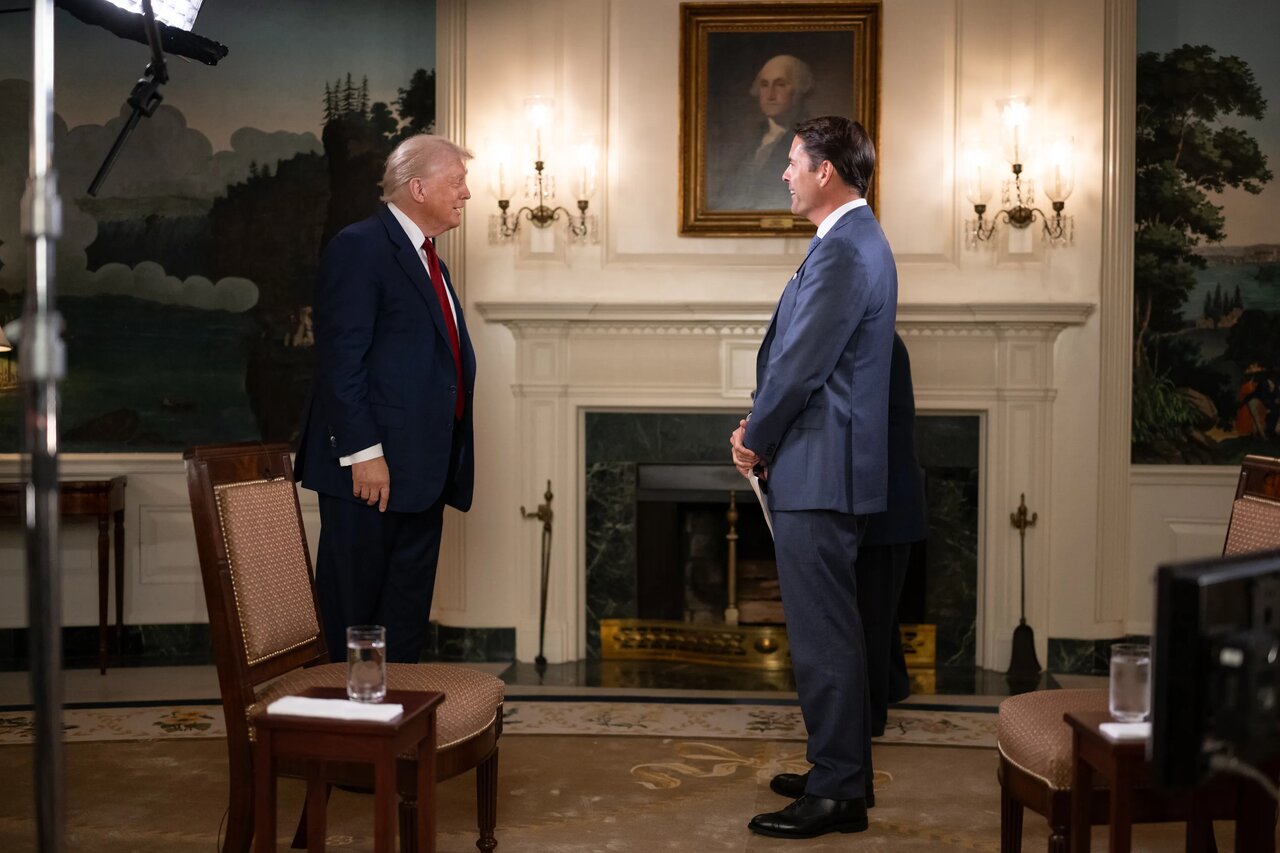
TEHRAN – Donald Trump appears to be losing his grip on reality as the November 3 congressional midterm elections approach.
Aware that high fuel prices resulting from his war on Iran have put his Republican Party’s control of Congress in jeopardy, Trump seems increasingly desperate to shift the blame. One day, he blames Ukrainian President Volodymyr Zelenskyy for high diesel prices; the next, he seeks to mislead Americans by claiming that “Massive Oil, Gas, and Mineral Exploration is getting ready to begin in our new and beautiful Greenland.”
Meanwhile, his administration has reportedly leaked information that the United States is considering using the “mother of all bombs” against Iran’s energy infrastructure and other facilities, apparently under the illusion that such threats could force Tehran to surrender to Washington’s maximalist demands.
The relatively easy abduction of Venezuelan President Nicolás Maduro appeared to had emboldened Trump to launch a war against Iran, with Israel taking part. Israeli Prime Minister Benjamin Netanyahu had long urged Washington to attack Iran, including during Trump’s first presidential term, which began in January 2017. This was despite Trump’s populist rhetoric and his repeated criticism of America’s involvement in “endless wars.”
Trump apparently labored under the illusion that projecting military power through aircraft carriers and advanced fighter jets would force Iran to capitulate to his unlawful demands. Now, 232 days into the war, Trump and his inner circle appear to have fully realized that Iran is a formidable adversary that cannot be brought to its knees.
“The war in Iran has significantly tarnished the global aura of U.S. airpower. It is unlikely that the Trump administration would have launched Operation Epic Fury if it had known that seven months later it would still be facing an inconclusive slugging match—one that has wasted a huge part of Washington’s complex munitions stockpile and come at exorbitant economic and geopolitical cost,” Justin Bronk, a senior research fellow for airpower and technology at the Royal United Services Institute, wrote in Foreign Affairs on October 13.
Iran’s resilience and retaliation against the unprovoked and illegal war have damaged the United States’ international standing. Iran’s performance has also forced Washington’s European and Asian allies to reassess their perceptions of American military power.
Bronk also wrote: “For months, Iran’s resilience in its war with two of the world’s most capable militaries has perplexed many politicians and confounded public expectations… Yet the Islamic Republic has not only survived but continued to maintain significant offensive capabilities.”
Against this backdrop, Trump’s attempt to blame Ukraine, which has targeted Russian oil refineries, for rising gasoline prices amounts to a distortion of the broader facts. The disruption of shipping through the Strait of Hormuz, following the U.S.-Israeli aggression and Iran’s response, has become a major factor driving uncertainty in global energy markets. The strategic waterway normally carries roughly one-fifth of the world’s oil supply, making any disruption to maritime traffic there a serious threat to global energy security.
Although fuel prices are influenced by several factors, including supply and demand, sanctions, and geopolitical tensions, the impact of the war on Iran cannot simply be ignored. Russia’s oil and gas sector has also faced extensive Western sanctions since Moscow launched war on Ukraine in February 2022. Blaming Kyiv for rising fuel prices while overlooking the consequences of the war on Iran is therefore a misleading way to explain the pressures facing American consumers.
Greenland has also contradicted Trump’s claim that massive oil and gas exploration is about to begin there.
“There are many smaller explorations underway but these could take years to become operational,” Greenland’s deputy mining minister, Jørgen Hammeken-Holm, told CNN.
His remarks highlight the gap between Trump’s ambitious claims and the practical realities of resource exploration. Even when oil, gas, and mineral deposits are present, turning them into commercially viable projects can take years and requires substantial investment and infrastructure. Presenting such developments as imminent achievements risks creating expectations that the available evidence does not support.
Trump’s misleading statements are unlikely to convince all American voters that his war on Iran has nothing to do with their economic difficulties. As households struggle with rising fuel costs, many will want concrete answers about the causes of these increases and the administration’s plans to address them. Blaming foreign leaders and promoting unfulfilled promises will not necessarily shield the president from public criticism.
With every passing day leading up to November 3, Americans and people around the world may hear increasingly dramatic statements and claims from Trump. As the election approaches, the president has a strong political incentive to divert attention from the war’s costs and portray his administration as being in control. Yet repeated assertions that conflict with the available evidence could further undermine his credibility.
As the war’s objectives become increasingly difficult to achieve, some media outlets and analysts have also raised concerns about the possibility of further escalation, including the specter of nuclear war. In an interview with Newsmax broadcast on Thursday evening, Trump sought to dismiss the need for nuclear weapons, saying, “I wouldn’t use nuclear. We don’t have to.”
All these developments suggest that Trump is caught in an increasingly difficult situation. The war has imposed economic and geopolitical costs on the United States, challenged its military reputation, and created serious political risks for his administration. If these problems persist through the November midterm elections, Republicans could lose control of Congress, weakening Trump’s ability to advance his domestic agenda.
The consequences could extend well beyond the current election cycle. A prolonged war without a clear political settlement could damage the Republican Party’s credibility for years, particularly if voters conclude that Trump led the country into a costly conflict without a realistic plan for achieving its objectives or bringing it to an end.
Leave a Comment