Dutch diplomat flees Iran after Tehran airport seizes luggage containing spy devices
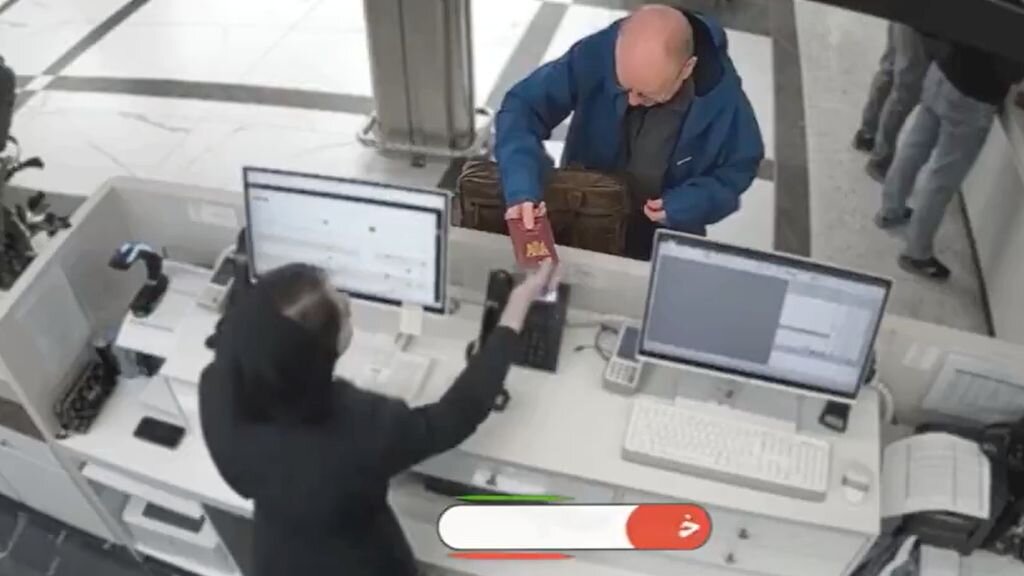
TEHRAN – A senior Dutch diplomat abruptly departed Iran before authorities could inspect his luggage, which was later found to contain communications equipment associated with espionage. The incident occurred in January, as Iran was reeling from deadly unrest that was fueled by CIA and Mossad operatives, leaving more than 2,500 civilians and security forces dead.
The story first surfaced in a report by IRIB and was subsequently confirmed by an independent investigation by The Tehran Times.
The diplomat, identified as Andre van Wiggen, deputy head of the Netherlands mission in Tehran, had returned to Iran on a commercial flight after a oneday trip to Dubai. Sources told the Tehran Times that he acquired the prohibited devices during the brief stopover. Airport security detained his luggage after he refused to place it in the mandatory Xray scanner, citing diplomatic immunity.
Under international aviation regulations—particularly ICAO Annex 17, which Iran enforces—security screening applies to all baggage in civilian airports to ensure public safety. Diplomatic status does not grant blanket exemption when national security is at stake.
Footage from Imam Khomeini International Airport shows van Wiggen seated with his feet resting on his luggage after being informed it would be inspected. Iranian authorities said the inspection was to be conducted lawfully, in the presence of representatives from the Dutch Embassy, Iran’s Foreign Ministry, and a senior airport official, in full accordance with international protocol.
Shortly afterward, van Wiggen left Iran without seeking clarification on the fate of his luggage. Days later, another Dutch diplomat requested its release. During the official inspection—now permissible under Iranian and international law—the second diplomat objected, but the inspection proceeded.
Inside, inspectors discovered two Starlink satellite modems and seven satellite phones—equipment banned in Iran due to its repeated use by foreign intelligence agencies to conceal communications and coordinate covert activity. Such devices require advance authorization, which had not been sought or granted.
At the time, authorities had restricted internet access to sever links between rioters and handlers in Europe and Israel. Between January 8 and January 14, armed groups hijacked peaceful protests, attacking security personnel and civilians, setting fire to property, and attempting to destabilize the country in what analysts described as groundwork for renewed U.S. aggression.
Further investigation tied the case directly to van Wiggen, who served as deputy head of mission in Tehran from August 2019 to August 2022, then as Head of Political Affairs at the Dutch Embassy in Washington for two and a half years before returning to his post in Tehran. His name also appears in WikiLeaks documents, describing him as someone who could assist U.S. officials in gathering intelligence on Iranian companies and overseas operations.
Van Wiggen has yet to return to Tehran. In 2020, he did an exclusive interview with the Tehran Times where he spoke about cycling.
Leave a Comment