Rainfall helping revive Urmia Lake, wetlands in northwest
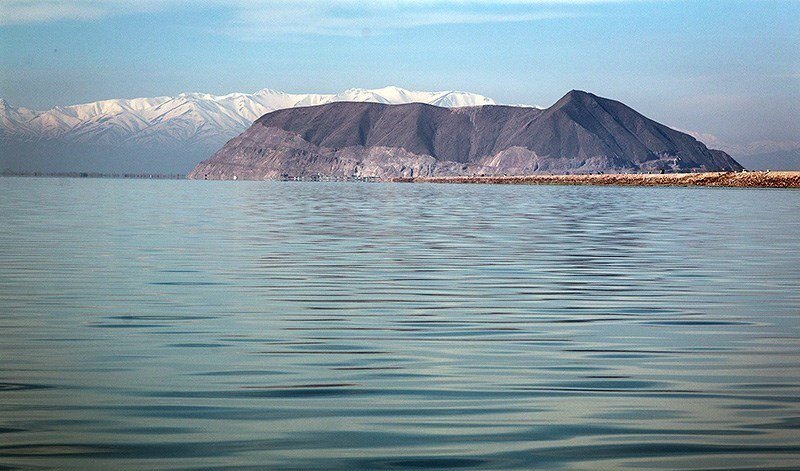
TEHRAN – Recent continuous rainfall in the northwestern part of the country has increased the level of water in Lake Urmia and wetlands in West Azarbaijan province, which had experienced drought situation over the past year.
For instance, Kani Barazan wetland has been filled by 90 percent, IRNA quoted Hojjat Jabbari, the director general of West Azarbaijan’s department of environment, as saying.
Also, the surplus of water has been released into Lake Urmia, helping greatly to reviving the lake, he added.
Lake Urmia started to dry up in the 2000s. The lake was once the largest in West Asia and the sixth-largest salt lake in the world, with a water surface area of 5,000 to 6,000 square kilometers.
The lake’s basin plays a critical role in ensuring Iran’s food security and agricultural productivity. However, in recent years, the Basin’s water resources have significantly declined due to rising temperatures, changing precipitation patterns, and unsustainable water use.
In October 2025, with the financial support of the Government of Japan, the Food and Agriculture Organization (FAO) of the United Nations and the United Nations Development Programme (UNDP) signed a cooperation document, aiming to help revive the lake.
In Iran, 141 wetlands with ecological value, with an area of over 3 million hectares, have been identified, 27 of which were listed in the International Ramsar Convention.
The Department of Environment has announced the beginning of a new phase of the wetlands conservation project (2025 –2028) to strengthen sustainable livelihoods and alleviate pressure on the wetlands ecosystem.
Leave a Comment