Iran’s battlefield strength shapes the course of Pakistan-led talks
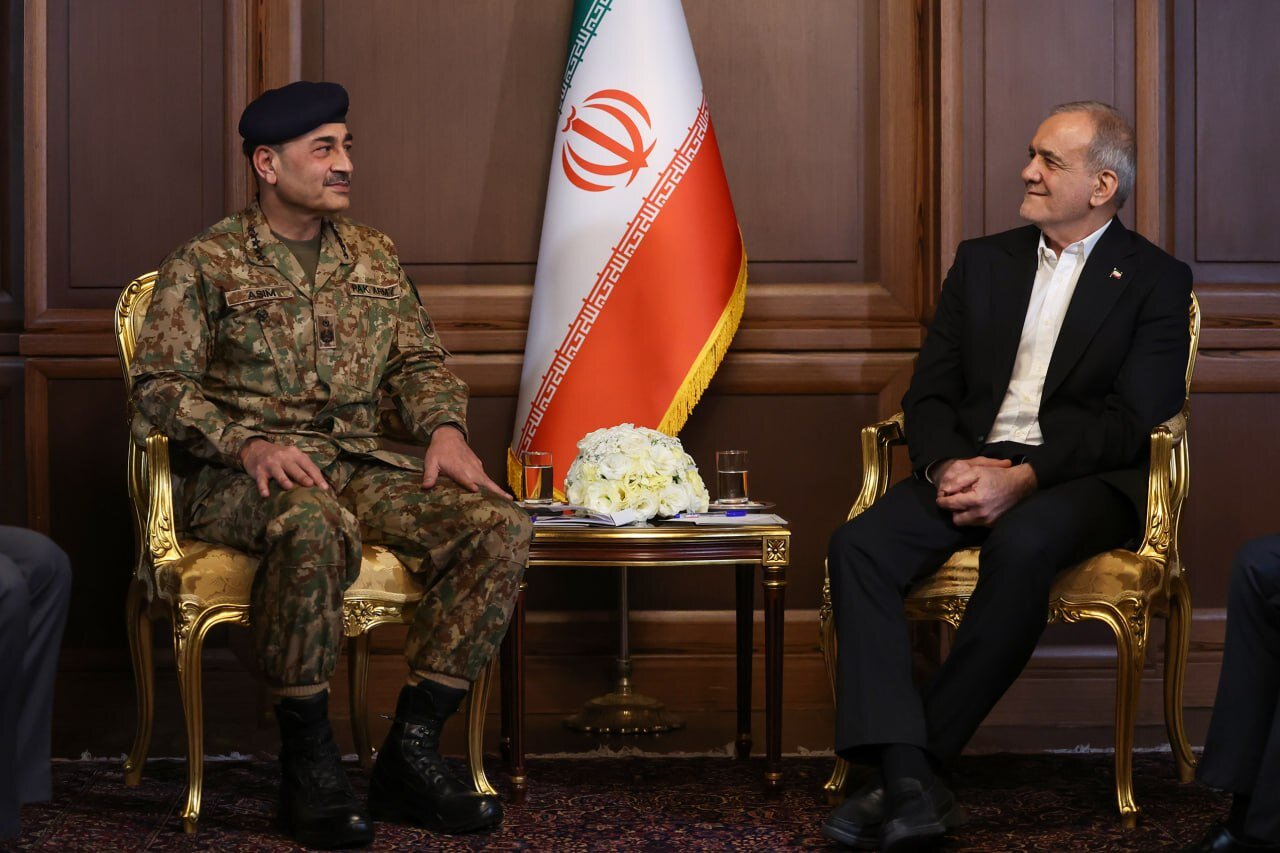
TEHRAN - The official visit of Pakistan’s Chief of Defense Forces (CDF), Field Marshal Syed Asim Munir, to Iran underscores Pakistan’s growing role in regional and global diplomacy at a time of heightened tensions in West Asia involving the United States and Israel.
Pakistan’s peacemaking efforts have placed General Munir, alongside Prime Minister Shehbaz Sharif, in the international spotlight as they try to mediate between Washington and Tehran in hopes of ending a conflict that has disrupted global energy supplies and rattled markets.
Iran and the United States reached a two‑week ceasefire on April 8 through Pakistani mediation, following a joint US‑Israel war that began on February 28. The truce temporarily halted hostilities, including exchanges of strikes across multiple regional fronts.
This ceasefire was followed by Pakistani‑mediated negotiations in Islamabad on April 11 and 12. However, the talks collapsed without an agreement, with Tehran citing excessive US demands. The discussions were based on a 10‑point Iranian proposal that President Donald Trump had initially shown willingness to consider. The plan included sanctions relief, regional security assurances, and guarantees against future attacks by the United States and Israel.
After the failure of the first round of talks, Pakistan intensified its mediation efforts to prepare for a new round of negotiations in Islamabad. In this context, Pakistan’s top military leadership travelled to Tehran on Wednesday.
General Munir held talks with senior Iranian officials, including President Masoud Pezeshkian. During a meeting on Thursday night, Pezeshkian praised Pakistan’s constructive role in brokering the ceasefire, calling its efforts “effective and responsible.”
“Iran seeks lasting peace and stability in the region and emphasizes the realization of the rights of the Iranian nation within the framework of international law,” the Iranian president said.
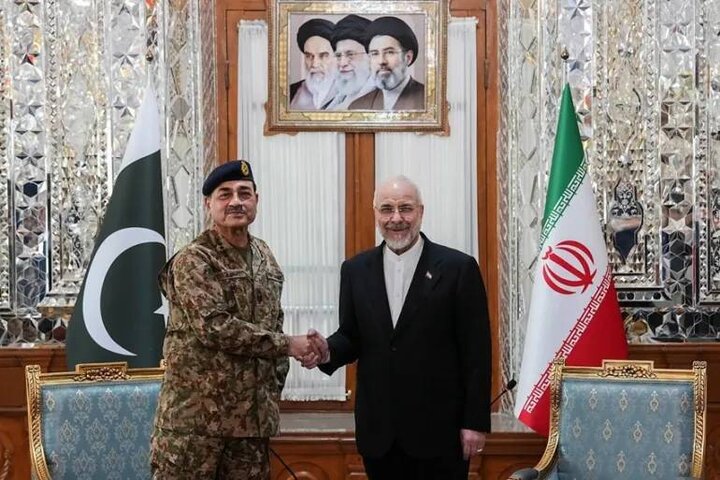
General Munir, for his part, highlighted the deep religious, historical, and cultural ties between the two countries. He also met Iran’s Parliament Speaker Mohammad Baqer Qalibaf, who headed the Iranian delegation in the Islamabad negotiations. The US delegation was led by Vice President JD Vance.
General Munir was also warmly welcomed by Iran’s Foreign Minister Abbas Araghchi, who expressed appreciation for Pakistan’s role in facilitating dialogue and said he was “delighted” to receive the field marshal.
No date has yet been set for the second round of Iran–US talks, but Pakistan’s diplomatic activity has fueled speculation that further negotiations could lead to a breakthrough.
This speculation has grown following Sharif’s four‑day regional tour, which began in Jeddah on Wednesday. During the visit, he met Saudi Crown Prince Mohammed bin Salman, who praised the “constructive role” played by both Sharif and Munir, according to Pakistan’s Foreign Ministry.
Sharif’s regional visit is widely seen as an effort to reassure Persian Gulf allies and build broader regional support, while General Munir continues diplomatic engagement aimed at narrowing the gaps between Tehran and Washington.
Lebanon ceasefire
A 10‑day ceasefire between Israel and Lebanon has further raised hopes for progress in upcoming Tehran–Washington talks. Halting Israeli strikes in Lebanon is part of Iran’s broader 10‑point plan presented to the White House before the two‑week ceasefire between Iran and the US.
Reports suggest that the Lebanon ceasefire has caused anger within Israel. The Jerusalem Post reported that Prime Minister Benjamin Netanyahu accepted the truce under pressure from Donald Trump.
“Israel will not be bombing Lebanon any longer,” Trump wrote on Truth Social on Friday. “They are PROHIBITED from doing so by the U.S.A. Enough is enough.”
The Lebanon ceasefire has been interpreted by observers as a sign that President Trump is seeking de‑escalation, despite the US military imposing a naval blockade on Iranian ports on Monday. The naval blockade failed to change Iran’s approach toward the Strait of Hormuz.
Since the outset of the US–Israel conflict, Iran has asserted control over the Strait of Hormuz and largely restricted the passage of US‑ and Israeli‑affiliated vessels, as well as those of countries involved in the conflict. However, on Friday, Iran’s foreign minister announced the complete reopening of the Strait of Hormuz to commercial vessels following the implementation of the ceasefire in Lebanon.
Many analysts and Western media outlets have described Trump’s military strategy toward Iran as a setback for the United States. Despite US claims of success in the nearly 40‑day conflict, Iran maintained retaliatory operations and influence across multiple regional fronts.
Iran’s position: Diplomacy backed by strength
Iranian officials have repeatedly pointed to a pattern of US aggression that undermines trust and complicates any diplomatic process. The United States launched two major wars on Iran—one in June last year and another in February this year—while Tehran and Washington were engaged in dialogue. Iranian commentators argue that these incidents highlight Iran’s legitimate grounds for mistrust, noting that negotiations conducted under the threat of force cannot be considered genuine or balanced.
From Tehran’s perspective, rationality and strategic wisdom would have justified refusing to participate in the Islamabad talks until the total defeat of the enemy was achieved. Yet Iran chose a different path. Officials frame their participation as an act of responsibility toward the wider region, aimed at preventing further destabilization and reducing the humanitarian and economic consequences of the US–Israel military.
Iran emphasizes that diplomatic engagement is not a sign of weakness but a complement to the country’s military capabilities. In their view, diplomacy is an essential tool for safeguarding national interests, provided it is conducted on equal footing and without coercion. Iran says it will continue negotiations only as long as they serve the country’s strategic objectives and interests, warning that the United States should not take this opportunity for granted.
For now, Pakistan’s strategic importance in facilitating dialogue between Iran and the United States appears to be increasing. Iran’s ambassador to Pakistan, Reza Amiri Moghadam, has stated that Iran would prefer Pakistan as the venue for any future talks with Washington, saying: “We will do talks in Pakistan and nowhere else, because we trust Pakistan.”
Leave a Comment