14 historical sites damaged in recent attacks in Kordestan
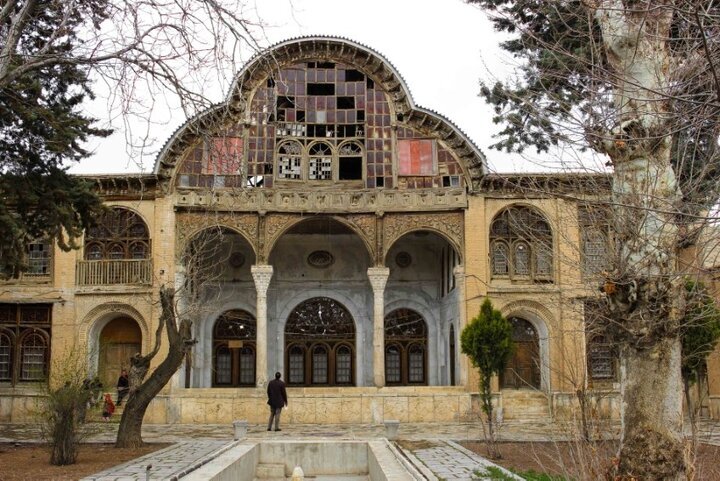
TEHRAN – The cultural landscape of western province of Kordestan province has suffered a severe blow following recent military strikes by the US and the Zionist regime, with early estimates placing the financial toll on historical monuments between 700 to 800 billion rials (approximately $388,000 to $444,000).
Ali Behnia, the Deputy for Cultural Heritage of Kordestan province, revealed that the number of damaged sites has risen to 14 after new assessments identified structural trauma to the iconic Moshir Divan Mansion. "Our teams have conducted fresh inspections, and unfortunately, the Moshir Divan Mansion has been added to the list of affected structures," ISNA quoted Behnia as saying on Sunday.
Following an urgent directive from the Minister of Cultural Heritage, Tourism, and Handicrafts, Seyyed Reza Salehi-Amiri, emergency conservation and stabilization have commenced. Behnia explained that the current focus is on initial fixation, which includes comprehensive documentation, shoring up weakened walls, and stitching structural cracks to prevent further collapse.
"The shockwaves from the explosions have caused deep structural fissures across various sections of these monuments," Behnia noted. He cautioned that while the ministry is committed to immediate restoration, the process will be long and meticulous. "Restoring a 300-year-old building is not a quick task. It is a scientific process based on modern conservation principles, especially when dealing with intricate decorations like Orsi (stained glass) windows that require traditional wood and glass craftsmanship."
The provincial heritage department confirmed that the damage is widespread, affecting some of the most significant landmarks in Sanandaj. Among the sites hit are the Habibi Mansion, Salar Saied Mansion (Archaeological Museum), Asef Vaziri Mansion (House of Kurds), and the grand Khosroabad Mansion.
Other affected landmarks include the residence of Ayatollah Mojtahedi, the Pir Omar Mosque and Shrine, the Jameh Mosque of Sanandaj, and several historical homes including the Malek al-Tojjar and Amin al-Islam houses.
The Cultural Heritage Department is currently finalizing technical studies and will soon convene a technical council to approve the final phases of the restoration. However, officials warn that the delicate nature of these historical assets means the scars of the aggression may take years to heal.
The Ramadan War has left a painful mark on Iran’s architectural and historical landscape. Iranian cultural and historical sites sustained serious structural damage during the aggression by the US and the Zionist regime. This targeted strikes on these venues are viewed by many as a deliberate attempt to dismantle the physical settings where the country’s sovereign diplomacy and international relations were forged.
Beyond the immediate loss of infrastructure, the targeting of such landmarks represents a grave violation of the 1954 Hague Convention for the Protection of Cultural Property. Iranian officials and cultural experts have characterized these acts not merely as collateral damage of war, but as a systematic civilizational assault aimed at erasing the collective memory and historical continuity of the Iranian people. By striking at sites that represent centuries of Persian heritage and governance, the aggressors have sought to demoralize the nation by undermining the very foundations of its cultural and national identity.
In the face of this cultural tragedy, the Iranian government has prioritized the preservation and restoration of damaged sites as a matter of national security and pride. Moreover, Tehran is preparing a comprehensive legal dossier to be presented to international bodies, seeking to hold the perpetrators accountable for what it defines as war crimes against the shared heritage of humanity, asserting that the nation’s civilizational roots remain indestructible despite the physical toll of the conflict.
SAB/
Leave a Comment