Dadi Barnea’s strategic suicide and Mossad’s unwitting gifts that strengthened Iran
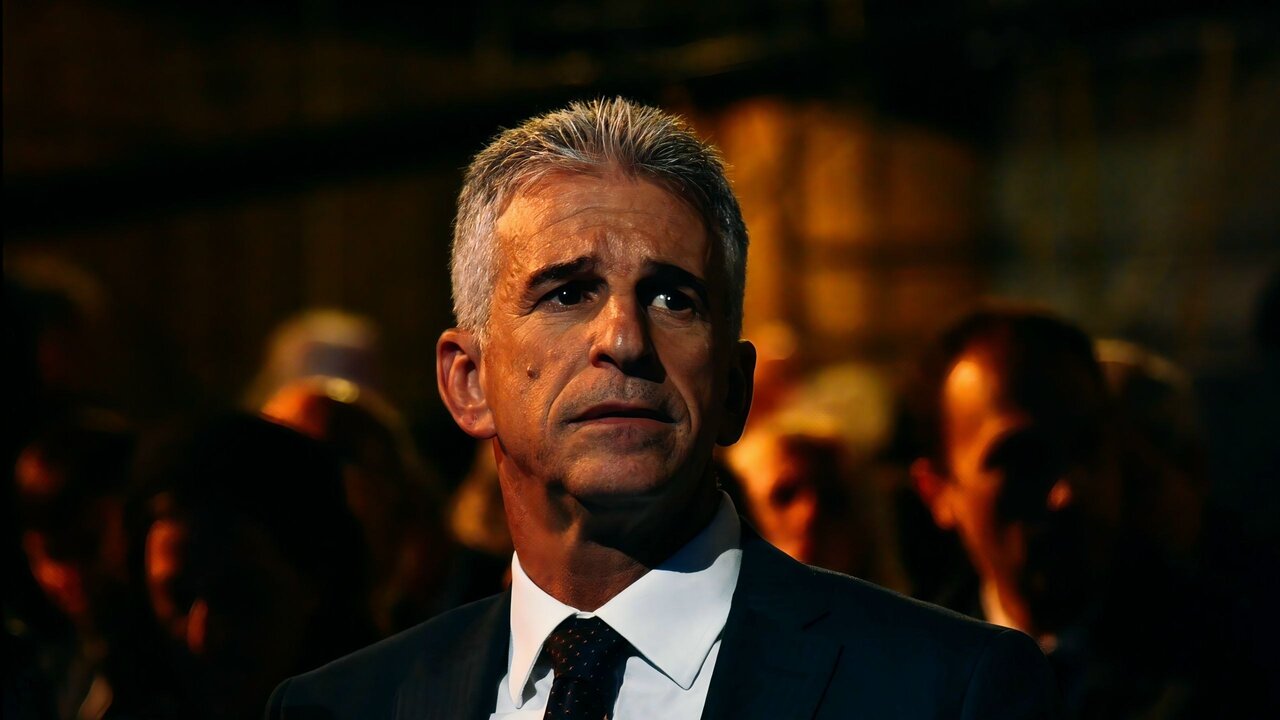
TEHRAN – When David “Dadi” Barnea packs his boxes at the Mossad headquarters in Glilot this June, he will leave behind a shattered agency and a legacy defined by profound strategic incompetence.
For five years, the Israeli and Western media stenographers breathlessly marketed his regime-change obsession as an intelligence masterclass. In reality, Barnea was running a multi-billion-dollar going-out-of-business sale.
Barnea’s tenure effectively illustrates the Persian proverb, “If God wills, an enemy becomes a catalyst for good” (Aduww shavad sababe kheir agar khoda khahad). Instead of toppling the Islamic Republic, Barnea’s tenure acted as an involuntary, hyper-aggressive operational vaccine for Iran and the Axis of Resistance.
Mossad spent vast fortunes to secure fleeting headlines with high-profile operations. Yet, these actions served as a harsh evolutionary pressure and functioned as operational vaccines, compelling Iran’s security apparatus to seal its vulnerabilities and forge a sophisticated counter-intelligence shield.
Barnea’s final briefing to the Knesset should be a single PowerPoint slide featuring the word: Oops.
The martyrdom paradox and the quadcopter comedy in Isfahan
Mossad loves to mythologize the 2020 assassination of nuclear scientist Mohsen Fakhrizadeh as the absolute pinnacle of ghost-like tradecraft. The truth is different.
Fakhrizadeh was not outsmarted by elite spies; he was martyred because he actively resisted the suffocating operational security protocols imposed by his own protection detail. By stubbornly insisting on driving his own vehicle and maintaining predictable transit routes, he essentially handed opportunistic assassins the coordinates.
The martyr’s blood became an immediate, mandatory software update for the entire Iranian command structure.
Nothing encapsulates the pathetic reality of modern Mossad quite like the highly publicized sabotage attempt on the Isfahan aviation facility. The grand design involved a swarm of micro-UAVs crippling drone production. Instead, it became prime-time comedy.
The facility’s layered air defense grids and localized electronic jamming systems simply swallowed the quadcopters whole.
Worse yet, the IRGC Intelligence Organization traced the cryptocurrency payments, mapped the command chain, and rolled up the entire local network within a week.
The incident stripped the veneer of mystique off Mossad’s kinetic branches, Caesarea and Kidon. They are not elite operatives ghosting through the shadows. They are desperate handlers wiring digital coins to expendable, low-level thugs who fold the second an interrogator clears his throat.
Digital sandboxes and burned blueprints
Additionally, the digital theater has dissolved into an operational sandbox. Enter the pro-Palestine Handala cyber-collective, whose high-profile network breaches did less to permanently cripple infrastructure and more to expose internal data vulnerabilities to the world.
The structural exposure laid bare the mechanisms of Tzamarot (Treetops), an Israeli influence branch tasked with orchestrating coordinated media narratives, localized bot networks, and synthetic digital personas aimed at stoking internal friction.
However, these digital influence footprints were routinely identified by defensive cyber commands. Counter-intelligence units frequently kept the fraudulent networks active within isolated, controlled sandboxes, while also successfully managing the digital battlefield from within.
This calculated delay drained millions from foreign operational budgets while transforming the adversary’s own psychological warfare apparatus into a conduit for reverse-fed disinformation to the enemy’s main base.
‘Zagros Dawn’ and other hallucinations
An incredibly absurd revelation from the recent leaks was “Zagros Dawn:” Mossad’s delusional fantasy of an armed march on Tehran led by Kurdish terror groups in Iraq in just days.
It was little more than occupational therapy for failing case officers, built on exaggerated reports from paid informants peddling Kurdish terrorist fan-fiction.
The plans proved a gift for Iran. They prompted security forces to intensify operations against Kurdish terrorist groups in the northwest, decisively tilting the regional security dynamic in Tehran’s favor.
This fits the pattern of Barnea’s failures. During the 12-day war, attacks on Evin Prison (meant to spark a breakout) and the IRIB headquarters both collapsed. Instead of weakening the government, they killed civilians, saw some prisoners who openly opposed the government step in to assist the prison guards, and turned IRIB presenter Sahar Emami into a national hero, further steeling Iranian resolve.
Bureaucratic bloodbaths and the Hayom PR obituary
Intelligence professionals recognized the chaotic May 28 disclosures in the Adelson-owned Israel Hayom for what they are: an obituary for Barnea’s tenure and a frantic bureaucratic knife-fight.
Facing the exit in disgrace, Barnea’s faction leaked the existence of the Agaf Shamir subversion unit to a friendly outlet just to justify their bloated budgets.
Creating an entirely new department for subversion at a late stage is a glaring admission that most of your traditional human intelligence networks have been systematically liquidated by Iranian intelligence. Because Mossad can no longer physically penetrate Iran, they pivoted to social media psyops.
Furthermore, the leaks handed Tehran a gift-wrapped cheat sheet confirming its earlier intelligence assessments. They delegitimized the Mossad-backed stooges masquerading as the “Iranian opposition” even more while providing Iranian security forces and prosecutors with an airtight ledger of evidence to dismantle the remaining networks for good.
Meanwhile, AMAN (military intelligence) realists have been laughing at the Glilot viper pit, dismissing Barnea’s regime-change maximalism as a clinical delusion that only drained resources and blinded Israel to the real tactical threats on its borders.
The open ledger
While the 78-year-old illegitimate settler colonial hellhole exhausts itself, leaking desperate coping mechanisms to the press, the millennia-old Iranian civilization operates on generational timelines.
Let those whose hands are stained with the blood of Iranian entertain fantasies of peaceful retirement. They are gravely mistaken. Iran does not forgive, and the ledger of blood stays wide open until every debt is paid.
The Leader of the Islamic Revolution, Ayatollah Seyyed Mojtaba Khamenei, made the mechanics of this relentless pursuit terrifyingly clear in his first public message: “I assure everyone that we will not abandon the revenge for the blood of your martyrs. The revenge we have in mind is not only for the martyrdom of the great leader of the Revolution; rather, every member of the nation has a file for revenge. A limited portion of this revenge has materialized, but until it is fully complete, this file will remain atop all other files, and we will be especially sensitive regarding the blood of our infants and children.”
For those who mistake patience for weakness, history offers a chilling reality check. A 2009 U.S. diplomatic cable published by WikiLeaks laid bare the cold, methodical efficiency of Iranian memory, detailing the alleged report that Tehran systematically hunted down and eliminated over 180 former Iraqi Air Force pilots who had bombed Iranian cities during the 1980s.
The alleged assassinations happened decades after the war had ended.
Dadi Barnea and his psychotic operatives cannot wash the blood of Iranian martyrs from their hands. The tactical hits meant to terrorize and destroy instead taught Iran how to be unbreakable.
The vaccine has been administered, the fortress is locked down, and the slow, merciless blade of Iranian justice is already sharpening, ready to collect with compound interest.
Leave a Comment