Total:4
-
 2026-10-17 20:34
Either Security Together or Insecurity Together
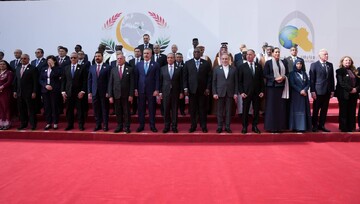
Iran's FM tells OIC US has deepened distrust after two years of good-faith talks, making new talks impossible without credible guarantees.
TEHRAN – Iranian Foreign Minister Seyed Abbas Araghchi told the 52nd Council of Foreign Ministers of the Organization of Islamic Cooperation in Baghdad that lasting security in the region is indivisible: either states build security together, or they will endure insecurity together.
-
 2026-01-31 20:06
By Sondoss Al Asaad
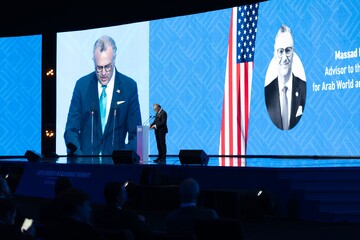
How is Washington’s oil-first strategy redrawing Libya’s geopolitical map?
BEIRUT — The recent visits of Massad Boulos, adviser to U.S. President Donald Trump for the Middle East and African affairs, to Tripoli and Benghazi have ignited intense debate inside Libya.
-
 2026/01/23
By Ranjan Solomon
Iran, the collapse of Western strategy - where empires lose the plot
The enduring logic of civilizations vis-à-vis brute Western arrogance
GOA- Traditional Western approaches (like regime change or containment) towards Iran are failing due to Iran's deep historical roots, revolutionary ideology, and resilience, leading to a shift in global power, where the "West" loses legitimacy as multipolar dynamics emerge, and Iran's strategic endurance, though marked by internal fragility and regional conflict, challenges the old international order. It suggests Western strategies often misjudge Iran's ideological drivers and deep cultural identity, leading to prolonged conflict rather than collapse, as seen in the shifting global landscape favoring non-Western actors.
-
 2026/01/23
By Xavier Villar
How the Iranian diaspora shapes Western views of Iran
MADRID - Within the landscape of the Iranian diaspora, a particular phenomenon demands critical attention: the aspiration toward political whiteness. This is not a physical trait but an epistemic and symbolic position that organizes privileges, establishes hierarchies, and produces consent for foreign intervention.