Iranian FM cautions counterparts on 'Inaction Towards Aggressors'
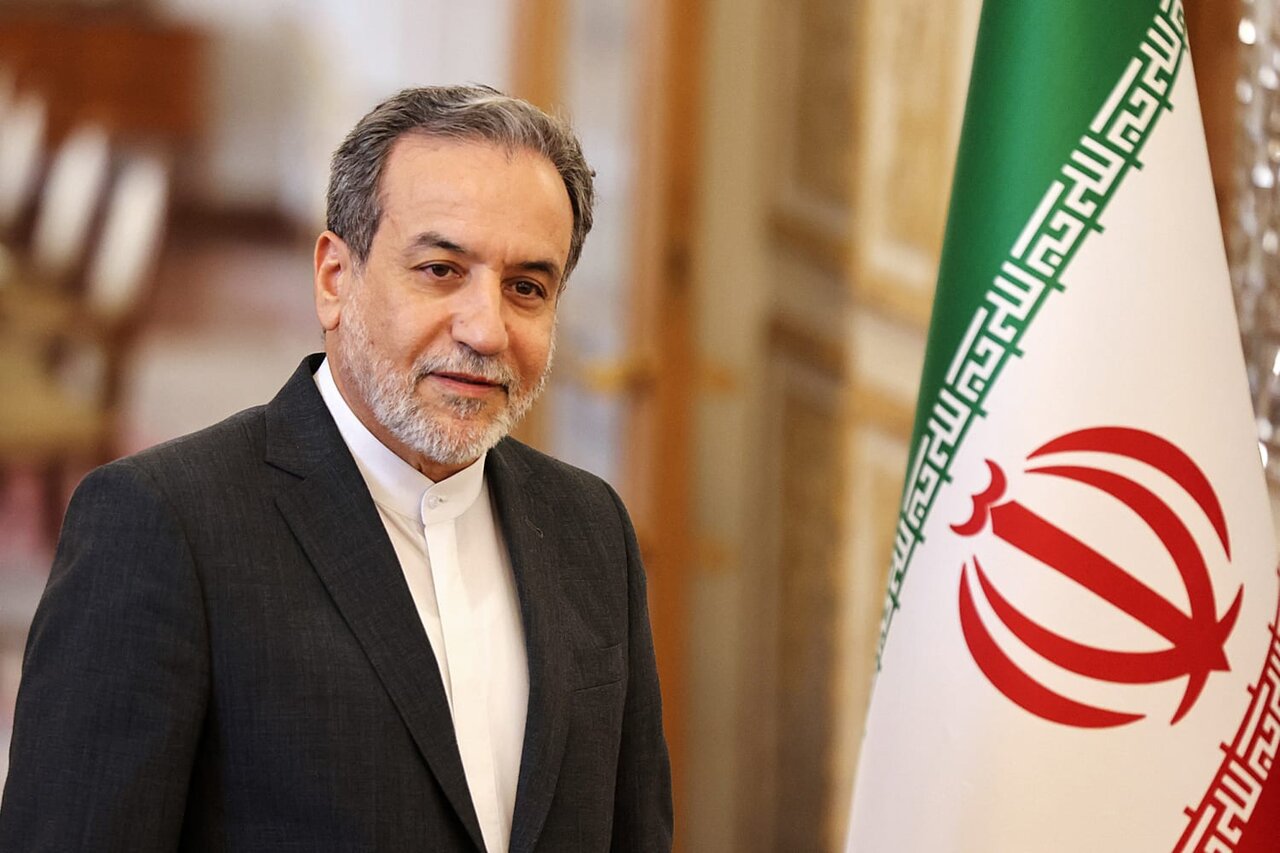
TEHRAN – “It is clear that this inaction… has further emboldened the aggressors to continue these brutal attacks in violation of international principles and rules,” Iran’s Foreign Minister Abbas Araghchi warned during a series of high-level phone calls with his counterparts from France, India, and Russia.
He cautioned that continued silence could be viewed as “implicit complicity” and would further undermine the credibility of international bodies. The intensive diplomatic outreach comes as Tehran seeks to de-escalate rising tensions following US-Israeli military aggression, while warning of grave consequences for regional and global stability.
In a concerted diplomatic push to reduce escalating tensions, Iranian Foreign Minister Abbas Araghchi held separate telephone conversations over the past 48 hours with the foreign ministers of France, India, and Russia. The discussions focused on the recent US-Israeli military aggression against Iran, its security and economic repercussions, and the urgent need to prevent a wider conflict.
Iran-France talks
Araghchi and French Foreign Minister Jean Noël Barrot reviewed regional developments, particularly the consequences of the US-Israeli attacks. Earlier, on March 26, President Masoud Pezeshkian had spoken with French President Emmanuel Macron, criticizing certain regional countries for allowing the US to use their soil and facilities for strikes against Iran. “Allowing US forces to use regional territory for brutal attacks violates international law and the principle of good neighborliness,” Pezeshkian stated. He also chided European nations that remain silent in the face of US-Israeli atrocities.
Iran-India talks
During a call with Indian External Affairs Minister Subrahmanyam Jaishankar, Araghchi warned that continued military actions by the US and Israel could destabilize the wider region and threaten global security. He pointed to attacks on Iranian civilian infrastructure, industrial sites, and peaceful nuclear facilities operating under IAEA safeguards. Araghchi also noted US threats to strike Iran’s energy infrastructure, calling such rhetoric a serious escalation. Jaishankar stressed the importance of restoring stability and backed ongoing regional and international diplomatic efforts to halt the conflict.
Iran-Russia talks
Araghchi and Russian Foreign Minister Sergey Lavrov also discussed the "war of aggression" launched by the US and Israel.
Araghchi detailed crimes committed over the past 37 days – including strikes on hospitals, schools, residential areas, and nuclear facilities – and urged urgent action by the UN Security Council and the IAEA to condemn these acts and hold aggressors accountable. He described US threats against Iran’s energy infrastructure as “a clear admission of committing war crimes.” Lavrov reaffirmed Russia’s principled condemnation of the aggression, particularly against the Bushehr nuclear power plant, and expressed readiness to use all efforts to prevent the spread of conflict in the region.
Outlook
With analysts warning that any further military escalation could disrupt energy markets and threaten a strategically vital region, Iran’s diplomatic outreach underscores its determination to defend national security while calling on the international community to break its silence – before inaction turns into tacit complicity.
Leave a Comment