Rial-based trade mechanism with neighbors being designed: TPO official
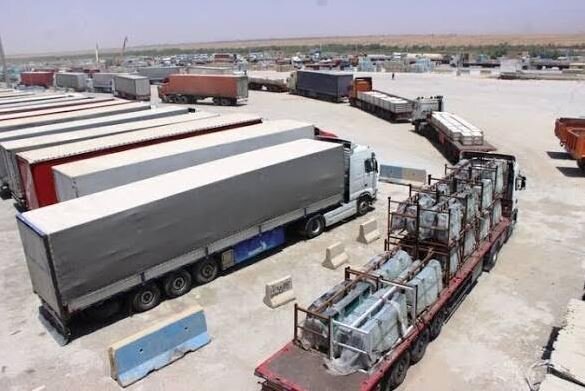
TEHRAN- The Deputy for Commercial Services of Iran's Trade Promotion Organization (TPO), referring to the country's plans to expand trade with neighboring countries, said: To facilitate trade exchanges with countries such as Iraq and Afghanistan, proposals have been made to establish a rial-based trade mechanism, and this matter is being reviewed in cooperation with the banking system and exchange offices.
Mohammad Sadegh Ghannadzadeh stated on Wednesday in an exclusive interview with IRNA: A significant portion of Iran's exports go to countries like Iraq and Afghanistan, and in some cases, traders from these countries obtain rials to purchase goods from Iran. Therefore, we have proposed that a clear procedure be established for this type of exchange with neighboring countries.
He added: Although exports must ultimately generate foreign currency, to resolve existing problems and facilitate trade with neighboring countries, we are designing mechanisms with the help of the banking system and exchange offices, and the necessary proposals have also been submitted to the Central Bank. Currently, the final procedure has not yet been implemented at the Central Bank, and the matter is under review.
Ghannadzadeh noted the government's plan to develop trade with neighboring and aligned countries and explained: For different countries, tailored to the conditions and capacities of each, programs have been designed in the areas of trade, transportation, financial and banking systems, payment methods, and alternative trade methods.
He continued: These programs are being pursued on a country-by-country basis through working groups, joint committees, joint commissions, and exchanges of trade delegations, in order to resolve issues and obstacles in the path of developing trade relations.
The Deputy for Commercial Services of Iran's Trade Development Organization, referring to negotiations with Pakistan, said: Recently, we have followed this process with Pakistan, and subsequently, necessary negotiations and actions will also be carried out for Iraq, Turkey, Afghanistan, and other target countries.
Assessing the state of Iran's foreign trade after the recent war, Ghannadzadeh stated: It was natural that after the war, the country's trade would face a decline, and this reduction was largely unavoidable due to increased risk in the international arena, especially in the field of transportation and maritime logistics.
He added: A significant portion of the country's trade is conducted via sea routes, and given the tensions that arose and the reduced movement of the transport fleet, part of the country's trade was affected.
Ghannadzadeh continued: To manage these conditions, especially in the area of imports, the government prioritized essential goods, staple commodities, and raw materials needed for production, so that the trade decline would mostly affect commodity groups that do not cause serious damage to the economy.
He emphasized: Although the total volume and value of imports and exports faced a decline, we tried to ensure that the reduction in trade for essential goods and production raw materials was smaller, so that the country would not face serious strain in meeting basic needs and maintaining the operation of production units.
Beyond the immediate mechanisms for settling trade payments, Iran is pursuing a broader strategic realignment of its commercial relations with neighboring states. The government recognizes that traditional trade routes and banking channels, long dominated by dollar-based transactions, are no longer sufficient—or reliable—given the shifting geopolitical landscape. In response, Tehran is designing country-specific trade packages that go far beyond simple currency arrangements. These comprehensive plans address transportation corridors, customs facilitation, joint production partnerships, and barter-style exchanges where appropriate.
For Pakistan, recent negotiations have focused on reopening land border crossings and streamlining customs procedures to reduce transit times. With Iraq, the emphasis is on formalizing the rial-based payment system that already operates informally through exchange houses. Turkey remains a priority for expanding overland trucking routes and industrial cooperation, while Afghanistan presents opportunities for food and construction material exports through simplified trade protocols.
Crucially, the government is also exploring alternative trade mechanisms such as countertrade, commodity swaps, and direct investment exchanges with resource-rich neighbors. These approaches aim to reduce dependency on hard currency while deepening economic integration across the region. By treating each trading partner individually—through joint commissions, delegation exchanges, and sector-specific working groups—Iran hopes to build resilient commercial ties that can withstand external pressures and supply chain disruptions, ensuring that trade with neighbors becomes a stable pillar of the national economy.
MA
Leave a Comment