‘Forex, trade policies must be reviewed in line with current conditions’
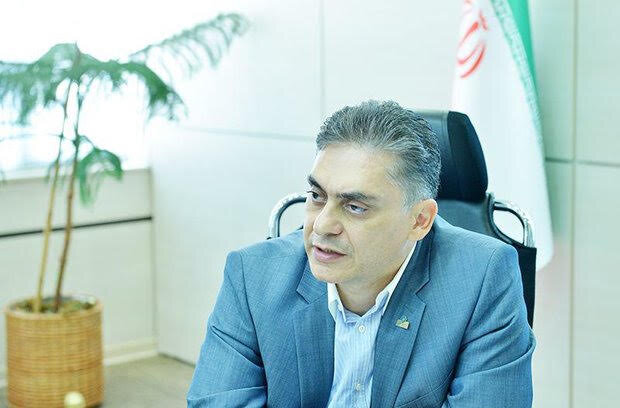
TEHRAN- The Head of Iran's Export Confederation, stating that the country's foreign trade conditions are no longer comparable to the past following the recent imposed war and subsequent developments, said: "Under current circumstances, continuing past policies in the areas of exports, imports, and currency repatriation is no longer effective, and a review of forex and trade policies is an absolute necessity."
Mohammad Lahouti, speaking to IRNA, stated: "Iran's sanctions situation and its relations with the United States have entered a different phase after the 12-day war, with tensions escalating from disputes and economic pressures to military confrontation. During and after the imposed war, new sanctions were imposed on Iran, and simultaneously with the issue of the Strait of Hormuz and restrictions on trade routes, the movement of goods and economic exchanges became more difficult for all parties."
He added: "Eventually, with the cessation of hostilities, some of the war-induced pressures eased, but sanctions remain in place and have even intensified in certain areas. On the other hand, some countries that previously had economic cooperation with Iran are now operating more cautiously under the new circumstances, and this too has affected the country's foreign trade."
The Head of Iran's Export Confederation, referring to the problems created in the foreign trade route, said: "Restrictions on the movement and transport of goods have made the trade process more difficult for economic activists. Furthermore, the damage inflicted on some industrial units during the war has affected production and, consequently, the country's foreign currency earning capacity."
He emphasized: "The combination of these factors shows that the current state of the country's economy and foreign trade is in no way comparable to pre-war conditions. To manage the existing situation, we cannot continue using the same regulations and prescriptions that were formulated under normal circumstances in the past."
Lahouti, stressing the need for a change in the government's approach to foreign trade, stated: "In the past, imposing restrictions on imports or creating complex processes for importers might have been manageable, but today, given the current conditions, such policies are no longer effective."
He added: "In the export sector as well, if the same strictness regarding currency repatriation and forex obligations continues under current circumstances, it could lead to a decline in the country's export capacity."
The Head of the Non-Oil Export Development Committee of the Iran Chamber of Commerce, Industries, Mines, and Agriculture, said: "Now, pressure is being applied to Iran's economy from various directions, and the goal of these pressures is to weaken the country's economy. Therefore, the government must change its perspective on foreign trade management and make decisions regarding exports, imports, and even export bans in line with the new conditions."
Lahouti, referring to the country's limited foreign currency resources, stated: "Under current circumstances, import management must be proportionate to the country's export volume. Naturally, when foreign currency revenues from exports decline, import capacity is also affected, and economic activists understand this reality."
He added: "The decline in foreign trade, whether in exports or imports, is a direct result of reduced currency earnings and existing restrictions. However, the main issue is that current forex and trade policies have not been designed in line with the country's new conditions."
The Head of Iran's Export Confederation emphasized: "To overcome the current situation, a review of forex and trade policies is mandatory, and this cannot be considered an option or a postponable decision."
Lahouti, referring to the role of executive bodies in reforming the current conditions, said: "If serious changes and structural reforms in forex and trade policies—and the way foreign trade is managed—do not take place in institutions such as the Central Bank, the Ministry of Industry, Mine and Trade, and the Ministry of Agriculture, it will become even more difficult to navigate the current difficult situation."
He continued: "The currency policymaker must fulfill its duties regarding the forex sector, and the trade policymaker must also formulate policies in line with the country's foreign trade needs. The overlap of these two areas and the creation of complex processes, under current circumstances, can hinder the activities of exporters and importers."
Lahouti, stressing the need to move toward trade facilitation, said: "Under current conditions, instead of unnecessary strictness, a facilitation approach in foreign trade should be strengthened. Revising processes, reducing barriers, and redesigning forex and trade policies can help economic activists continue their activities under the current difficult circumstances."
He concluded: "If the policymaker's perspective changes and forex and trade policies are adjusted in line with the country's new conditions, we can hope that managing the existing situation will be achieved with lower costs and greater efficiency, and that the country's economy will have more capacity to withstand current pressures."
EF/MA
Leave a Comment