Pezeshkian pushes for drafting Iran-China action plan to combat desertification
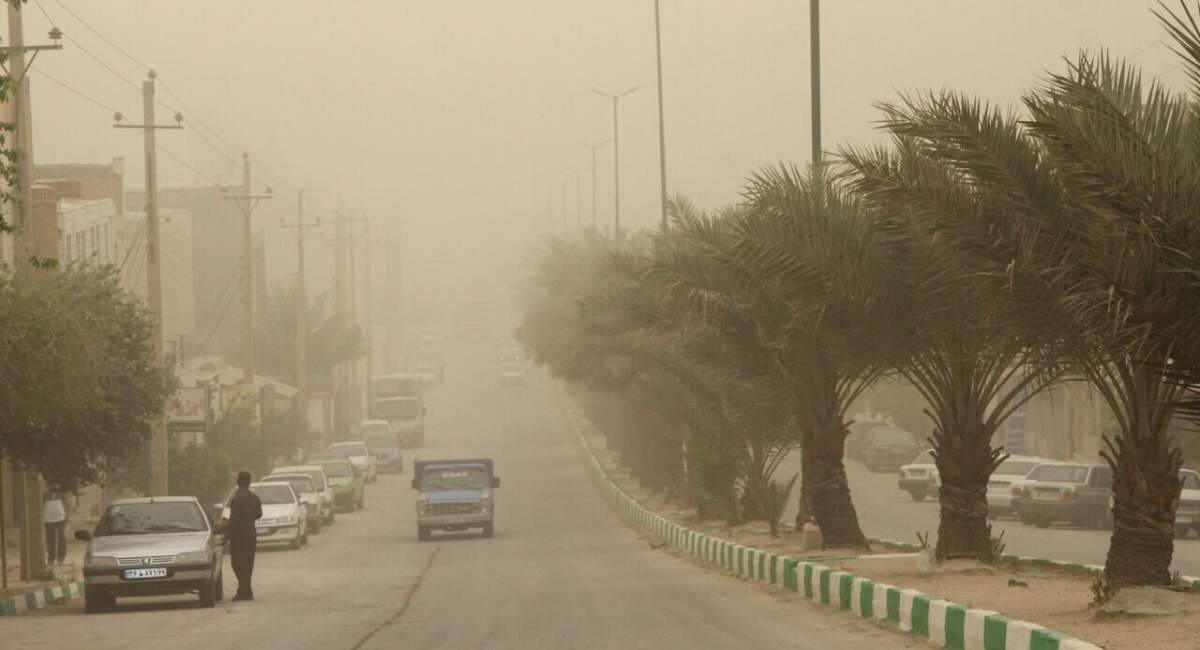
TEHRAN – President Masoud Pezeshkian has highlighted the need to draft a five-year Iranian-Chinese action plan to manage airborne dust and combat desertification in line with a memorandum of understanding (MOU) signed by the two countries.
The MOU was inked in the last month of spring in 2025, in Lanzhou, China, to promote scientific cooperation and address sand and dust storms (SDSs) challenges, IRNA reported.
Following specialized meetings and an assessment of scientific and operational indicators, a five-year action plan is scheduled to be developed, and two regions have been designated as pilot sites for implementing joint efforts.
The selected areas include Salehiyeh Wetland, a major dust source affecting Alborz, Qazvin, and Tehran provinces, and Tabas desert, another main dust hotspot in the country, chosen due to their roles in the expansion of desertification, sandstorms, and their impacts on agriculture and infrastructure.
Highlighting the importance of protecting natural resources and the environment, Pezeshkian called for taking action against unauthorized construction and illegal activities that undermine regulations and lead to environmental consequences, as well as benefiting from the capacities and expertise of the Chinese Academy of Sciences in implementing pilot projects.
The official made the remarks in a meeting held on Monday to give an account of the progress in the bilateral MOU.
Moreover, the president urged the University of Tehran to maintain constant collaboration with the Chinese Academy of Sciences and develop a joint action plan to be assessed and discussed in the next meetings. The official also asked the Plan and Budget Organization to secure funds required for the studies and measures in the five-year action plan.
Dust storms are significant environmental challenges that adversely affect food security, human health, and the sustainable development process at national and regional levels.
Being located in an arid and semi-arid area, Iran has been negatively impacted by climate change. The rise in temperatures, drop in precipitation, intensified droughts, and frequent SDSs have not only threatened the ecosystem and biodiversity but also jeopardized the country’s food security by exacerbating soil erosion, expanding desertification, and declining agricultural productivity.
Iran chairs intl. event on combating SDSs
Iran’s ambassador and permanent representative to the United Nations, Amir-Saeed Iravani, chaired a high-level event held to mark the International Day for Combating Sand and Dust Storms (SDSs) in New York on July 10.
The event was organized by the Permanent Missions of the Islamic Republic of Iran, Iraq, the Republic of Senegal and Mongolia, in cooperation with members of the United Nations Coalition on Combating Sand and Dust Storms, providing a platform to exchange experiences, strengthen partnerships and identify actions to advance implementation at the national, regional and global levels.
At Iran’s initiative, in 2023, the United Nations General Assembly proclaimed July 12 as the International Day of Combating Sand and Dust Storms, recognizing that SDSs and their negative impacts at different scales are issues of international concern.
This year, the day was marked under the theme: ‘From Source to Impact: Protecting Land and Life from Sand and Dust Storms’. The event brought together Member States, United Nations entities, regional and international organizations, experts and other stakeholders to strengthen international cooperation and accelerate action to address the growing impacts of sand and dust storms.
As highlighted by the four host countries, dust storms, beyond degrading land and the environment, have severely impacted human health, food and water security, agriculture, transportation, infrastructure, economic activities, biodiversity, and the achievement of sustainable development goals.
Addressing the event, Iravani highlighted that dust storms have become a global challenge affecting development, health, food security, transportation, the economy, climate change, and the environment, which requires a comprehensive, preventive approach based on broad international cooperation to be dealt with, IRNA reported.
Besides climate change, drought, desertification, land degradation, and the unsustainable use of natural resources, conflicts and wars, particularly in the West Asia, have resulted into land degradation, deterioration of natural resource management, and emergence or expansion of dust and sandstorm hotspots, he noted.
Highlighting the impact of unilateral coercive measures and sanctions on the capacity of developing countries to protect their environments, Iravani stressed the need to eliminate barriers to environmental cooperation and ensure equitable access for affected countries to necessary resources, technology, and knowledge.
The official welcomed the regional programs of the UN Economic and Social Commission for Asia and the Pacific as well as the inter-regional cooperation between the Commission and the UN Economic and Social Commission for Western Asia.
He described the United Nations Decade on Combating Sand and Dust Storms (2025–2035) a significant opportunity to convert political commitments into practical, results-oriented actions.
During the interactive dialogue session, representatives of UN member states called for strengthening scientific, technical, and financial collaborations, developing early warning systems, ensuring sustainable land management, combating desertification, and enhancing the resilience of vulnerable communities.
The participants noted that SDSs know no political border, and that no individual country can tackle the challenge on its own. Accordingly, enhancing the role of the UN, fostering cooperation among source countries where dust originates, transit countries, and destination countries that receive dust, as well as effectively supporting developing countries, are essential to achieve sustainable responses.
The four countries, Iran, Iraq, Senegal, and Mongolia, issued a joint statement reaffirming their commitment to promoting regional and international cooperation to combat dust storms. They called for governments, the UN, financial institutions, regional organizations, scientific centers, private sectors, and other stakeholders to enhance their cooperation in areas like prevention, monitoring, early warning, land restoration, knowledge and technology transfer, capacity building, and securing financial resources.
MT/MG
Leave a Comment