Rising Chinese curiosity about Iran signals shift in perceptions, tourism prospects
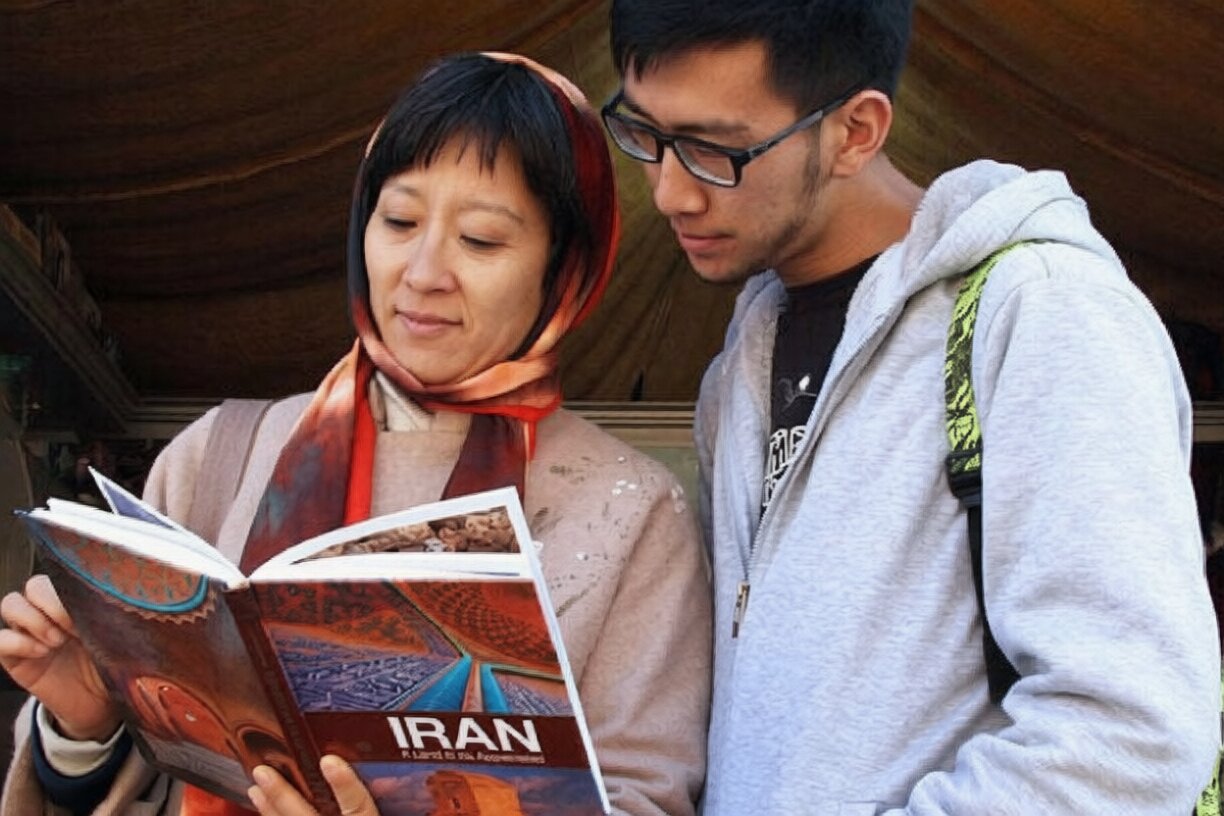
TEHRAN – Growing media coverage and online engagement in China have led to increased public curiosity about Iran, reflecting a shift in perceptions that could bolster cultural ties and tourism between the two countries, an Iranian tourism activist based in China said.
In a commentary shared with ISNA, Hossein Khalifi said recent geopolitical developments had significantly raised Iran’s profile in Chinese media and public discourse, helping distinguish the country more clearly from regional neighbors in the minds of ordinary citizens.
“In previous years, for many ordinary Chinese people, even the distinction between Iran and Iraq was not always clear, and the two were sometimes confused,” Khalifi wrote. “However, recent developments have brought Iran’s name prominently into Chinese media, increasing awareness of its distinct identity, history and role.”
He said coverage of Iran has surged across Chinese news outlets and social media platforms, with users showing heightened engagement and, in many cases, expressions of sympathy toward Iranians.
On Douyin, a video introducing Iran’s tourist attractions drew more than one million views within 24 hours, according to Khalifi. The clip also received over 8,000 comments, more than 99% of which were described as positive and supportive.
Such responses highlight a broader trend of growing interest in Iran’s culture and heritage, he said, adding that online discussions have increasingly served as a space for cultural exchange and emotional connection.
Reports have also pointed to instances of tangible support. In one case cited by Khalifi, a worker in Shanghai reportedly donated about 20,000 yuan (roughly $3,000) to the Iranian consulate to assist people in Iran, an amount said to be equivalent to approximately three months of his income.
“These actions go beyond symbolic gestures and indicate a level of empathy that is less common under normal circumstances,” he wrote, noting that such developments suggest recent events have influenced not only media narratives but also personal attitudes.
The heightened visibility of Iran has also sparked greater interest among Chinese citizens in learning about the country’s geography, history and cultural landmarks, with some expressing a desire to visit.
Analysts say the trend could create opportunities for Iran’s tourism sector if supported by targeted promotion and infrastructure. Iran in 2019 waived visa requirements for Chinese nationals in an effort to attract more visitors, a policy that remains in place.
In parallel, Tehran has urged Beijing to introduce reciprocal visa facilitation for Iranian travelers. The proposal was discussed during a meeting on the sidelines of the Shanghai Cooperation Organization ministerial gathering on culture and tourism held in Qingdao, designated the group’s Tourism and Cultural Capital for 2024–2025.
Khalifi also noted a rise in Chinese cultural productions referencing Iran, including animated content portraying geopolitical narratives involving Iran, the United States and the regime of Israel, often reflecting sympathetic viewpoints toward Iran.
Taken together, these developments suggest a gradual shift in how Iran is perceived by segments of Chinese society, with its image becoming more noticeable in regional affairs.
If managed effectively, he said, the emerging interest could help strengthen people-to-people exchanges and lay the groundwork for deeper cultural and economic cooperation between the two countries.
AM
Leave a Comment