Trump, Netanyahu hoisted by their own petard
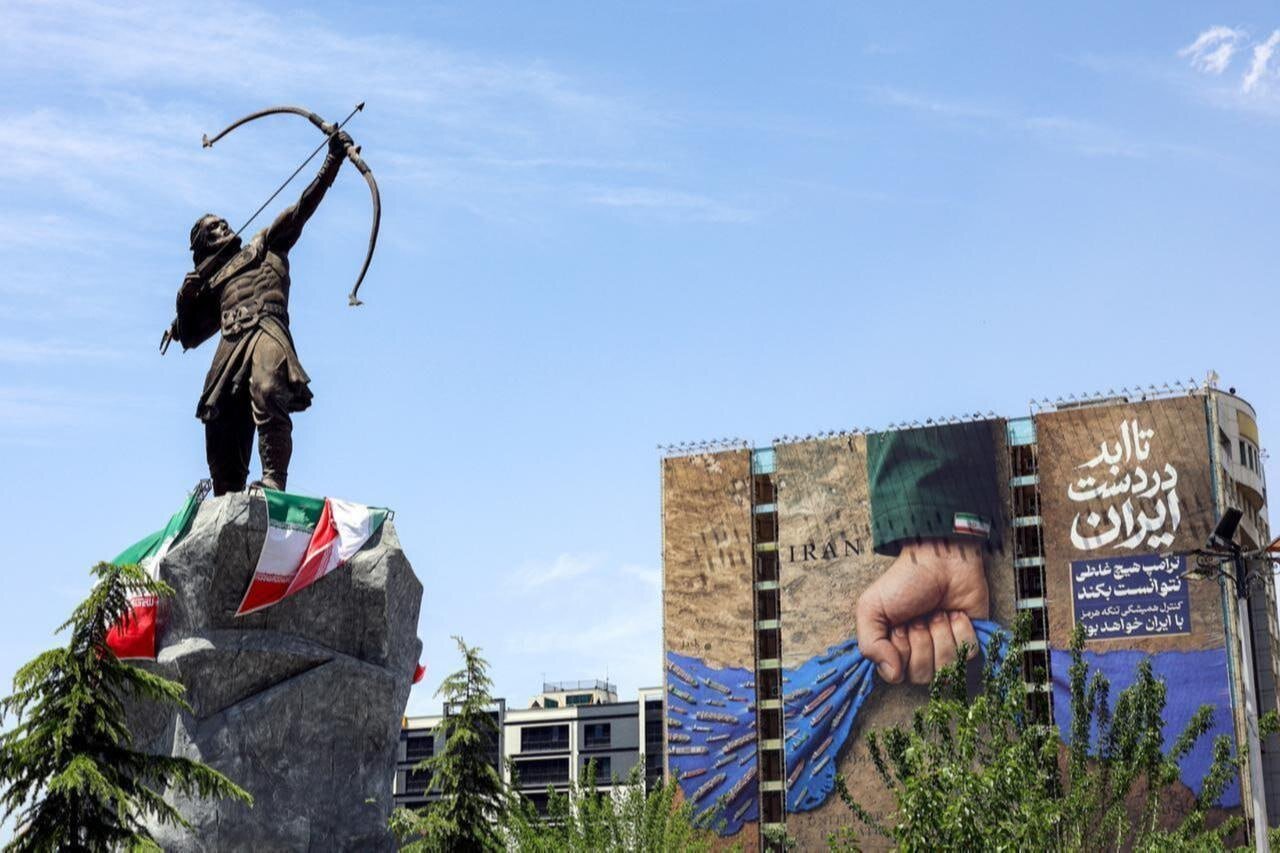
TEHRAN – The strategic miscalculations and mounting setbacks of the United States and Israel in their war against Iran are coming into sharper focus, just as Tehran and Washington move closer than ever to finalizing a memorandum of understanding (MoU).
Pakistani Prime Minister Shehbaz Sharif said in a post on X on Saturday that the finalization of the US–Iran MoU is likely expected within the next 24 hours, with “the electronic signing of the peace deal immediately after, followed by technical-level talks next week.” However, Iran’s Foreign Ministry spokesperson Esmaeil Baghaei said the signing of the MoU will not take place on Sunday but could occur in the coming days.
Iran’s Foreign Minister Abbas Araghchi confirmed on Friday night that the signing process might take place in a digital format.
According to Araghchi, the MoU contains 14 provisions. He said the MoU will be followed by a second phase expected to last around 60 days, if the US complies with its commitments.
Under the MoU, the US is obliged to release Iran’s frozen assets, lift its naval blockade of Iranian ports, and pressure Israel to halt its strikes in Lebanon. Iran’s highly enriched materials will remain in the country but may be diluted, while Iran’s missile program—long considered a red line—will remain non-negotiable.
A war rooted in miscalculation
The US and Israel launched a war on Iran on February 28. On the first day of the conflict, Iran’s Leader, Ayatollah Seyyed Ali Khamenei, and several senior military commanders were assassinated. President Donald Trump and Prime Minister Benjamin Netanyahu had calculated that their air campaign would shift Iran’s leadership balance in their favor and destroy the country’s military capabilities.
However, Iran’s resilience and its strong retaliatory strikes during 39 days of war exposed the failure of Washington and Tel Aviv’s plans. Around 100 waves of Iranian missile and drone attacks, along with growing national unity, eventually forced Trump to agree to a ceasefire on April 8 through Pakistan’s mediation. The MoU is expected to bring a more permanent end to the conflict.
The developments have also fueled debate in Western and Israeli media regarding the effectiveness of the US–Israel war effort and Iran’s resilience.
Netanyahu stands accused of having emboldened Trump to go to war with Iran. These media outlets are now attempting to create the perception that relations between Trump and Netanyahu are strained. This is a separate issue, as some experts believe they are indeed at odds, while others argue that such differences do not exist and that reports of divisions are largely theatrical narratives driven by behind-the-scenes political motives.
What matters most is the growing acknowledgment of the failure of the US and Israeli war strategy.
Axios said in a report that “For Netanyahu, co-signing a deal to end the war without achieving his stated objectives would be a major strategic and political blow.”
Citing Israeli officials, CNN further highlighted misjudgments by Trump and Netanyahu. An Israeli official told the US news outlet that lifting the naval blockade, imposed on Iran days after the April 8 ceasefire, would strengthen Iran. Another Israeli official said this amounts to “Trump throwing us (Israelis) under the bus.”
Referring to a post by Danny Citrinowicz, a senior researcher at INSS, CNN wrote that after a “resounding strategic failure,” Netanyahu may be forced to accept an agreement that legitimizes Iran and “exposes the collapse of his long-standing Iran doctrine.” For over three decades, Netanyahu has defined himself as an Israeli leader determined to bring Iran to its knees through military force.
The war launched on February 28, along with the wider US–Israeli military campaign against Iran in June last year, has once again demonstrated that reliance on force not only fails to weaken or contain Iran, but instead strengthens national cohesion—bridging internal differences and rallying the country around a unified stance in the face of external pressure.
Israel, alongside the US, has not only killed Iranian civilians but has also assassinated Iranian nuclear scientists and carried out sabotage operations inside Iran. Against this backdrop, Araghchi said in his Friday remarks that Israel remains the main obstacle to a US–Iran agreement.
Although Washington and Tel Aviv remain closely aligned in their hostility toward Iran, Axios noted that Netanyahu may still play a spoiler role even if a deal is eventually reached.
What was once framed through pressure and escalation is increasingly giving way to a diplomatic shift shaped by Iran’s resilience and the limits of Western leverage.
Trump is seeking a deal with Iran as he needs an off-ramp to manage the consequences of the war on Iran. These include the loss of advanced aircraft in Iranian attacks, as well as rising inflation and fuel prices in the US linked to tensions around the Strait of Hormuz.
For Netanyahu, however, an end to hostilities could mark the beginning of political decline. He is not only under fire over corruption charges but has also been accused by rivals of turning Israel into a “vassal state” by accepting Trump’s terms for peace.
Regardless of whether tensions between him and Trump are real or exaggerated, Netanyahu is widely seen as needing a prolonged state of conflict to distract from domestic failures and the fallout of the war on Iran.
Leave a Comment