Traditional clothing of Chaharmahal-Bakhtiari: A rainbow of ethnic heritage
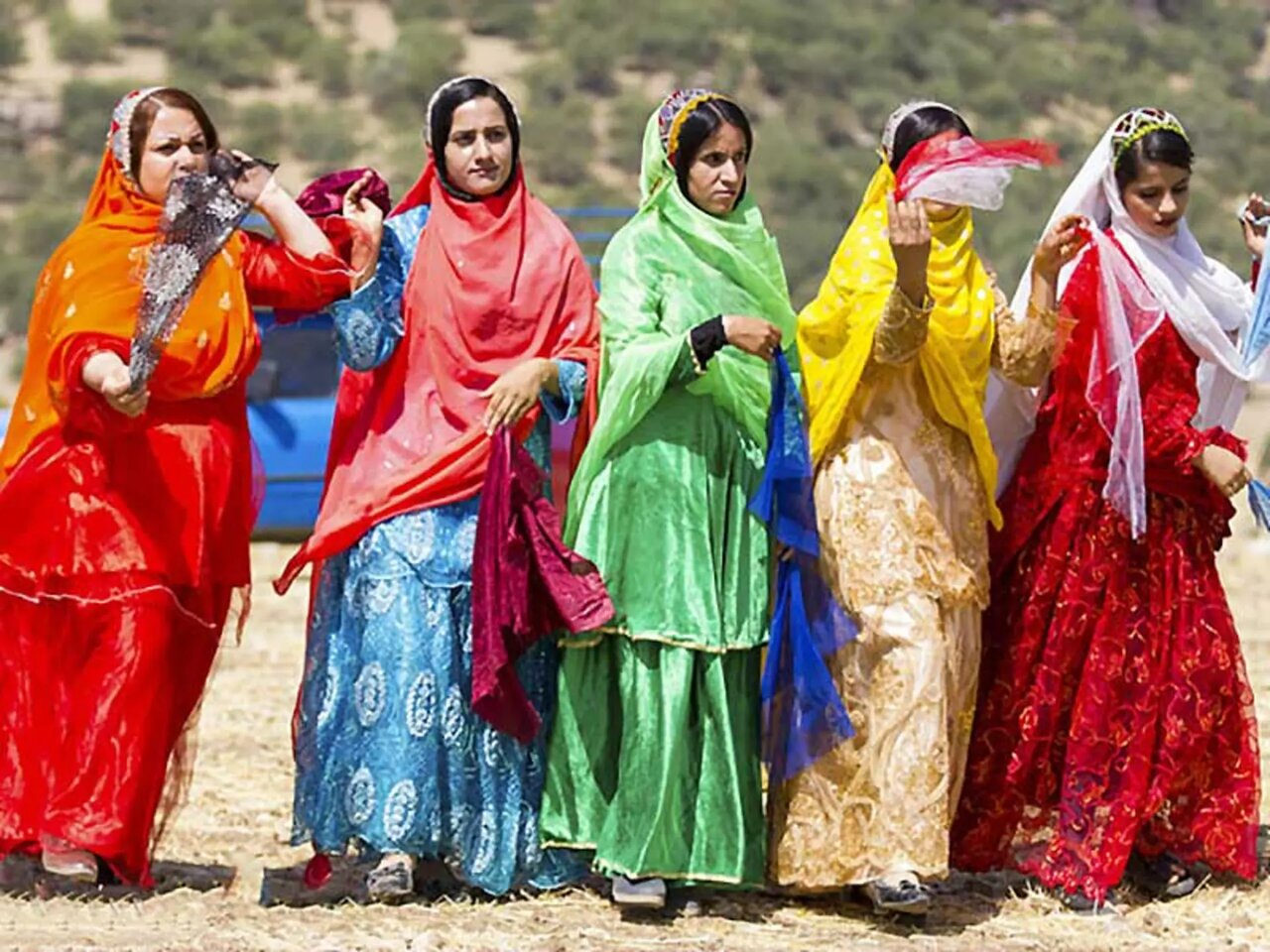
The traditional clothing of Chaharmahal-Bakhtiari is among the most distinctive expressions of Iran's cultural heritage. Characterized by vibrant shades of pink, green, red, orange, purple, blue, yellow, and white, these garments form a living rainbow that reflects centuries of artistry, craftsmanship, and ethnic diversity.
Worn by the Lori, Turkic, and Persian communities of the province, this attire has deep historical roots and is believed by many scholars to have served as formal dress since the Safavid era. It has traditionally been worn by women at weddings, funerals, religious gatherings, and social ceremonies, while also remaining part of everyday life in many communities.
Today, traditional clothing continues to be widely used, particularly in the Bakhtiari and Qashqai nomadic regions, the cities of Shahrekord and Farrokhshahr, and numerous villages across the province. Men also preserve elements of traditional dress, although women's garments remain the most recognizable symbol of the region's cultural identity.
The enduring attachment of local people to their traditional attire is evident in the continued demand for these garments despite rising production costs and broader economic pressures. Interest has remained strong not only within Chaharmahal-Bakhtiari but also in other Iranian provinces and among international admirers.
Traditional women's clothing is especially prevalent in the counties of Lordegan, Khanmirza, Kuhrang, Ardal, Farsan, and Borujen, where large Bakhtiari and Qashqai populations reside. The craft has developed into an active local industry, with workshops throughout the province producing garments for domestic and foreign customers.
The cost of a traditional outfit varies according to the design, the quantity and quality of fabric, and the complexity of decorative work. To support producers, local authorities have offered low-interest loans for rural and nomadic artisans, facilitated participation in national and international exhibitions, simplified licensing procedures, and provided assistance with insurance and raw-material supply.
Traditional clothing from Chaharmahal-Bakhtiari, particularly women's attire, has attracted growing interest abroad, and producers receive orders from various countries. However, because many garments are sold through informal channels or transported as personal luggage, the exact value of exports remains difficult to measure.
Experts have called for greater involvement by Iranian textile manufacturers in producing fabrics and raw materials specifically suited to traditional clothing. The use of locally produced natural materials could improve quality, expand variety, and strengthen the sustainability of this cultural industry.
One of the most significant challenges facing producers is the rising cost of gold and other raw materials. Gold has traditionally been used in the lachak (headdress) of Bakhtiari women and in the crown-like adornments of Qashqai women's dress. As prices have increased, many artisans have turned to gold-colored substitutes while attempting to preserve the traditional appearance of the garments.
Despite these challenges, enthusiasm for traditional clothing has not diminished among Bakhtiari, Qashqai, and other local communities. The higher cost of fabrics and decorative materials has affected foreign orders and purchases from other provinces, but local demand remains resilient.
Although all ethnic groups of the province wear traditional clothing, regional variations appear in the choice of fabrics, patterns, and decorative details. The attire of the Bakhtiari and Qashqai communities is often regarded as the most elaborate and visually striking.
A defining feature of these garments is their harmony with the province's lush mountain landscape. Bright, cheerful colors dominate the designs, while embellishments such as embroidery, coin work, beadwork, filigree, and metallic-thread decoration add richness and individuality.
Beyond clothing, Chaharmahal-Bakhtiari is also renowned for a wide range of handicrafts and traditional arts, including felt making, hat making, lock making, khatam inlay work, giveh shoemaking, kilim weaving, chogha weaving, jajim weaving, blacksmithing, traditional design, pottery, wood lattice work, woodturning, traditional jewelry making, filigree embroidery, stone carving, metal engraving, dyeing, plasterwork, and knitting.
Located in southwestern Iran, Chaharmahal-Bakhtiari is known for its rugged Zagros Mountains, glaciers, nomadic heritage, and the high-altitude city of Shahrekord, Iran's highest provincial capital. The province's traditional clothing stands as one of its most enduring cultural symbols, linking the natural landscape, tribal traditions, and artistic legacy of the region.
AM
Leave a Comment