Inside the USS Abraham Lincoln: Exhaustion, breakdown, and the cost of US power
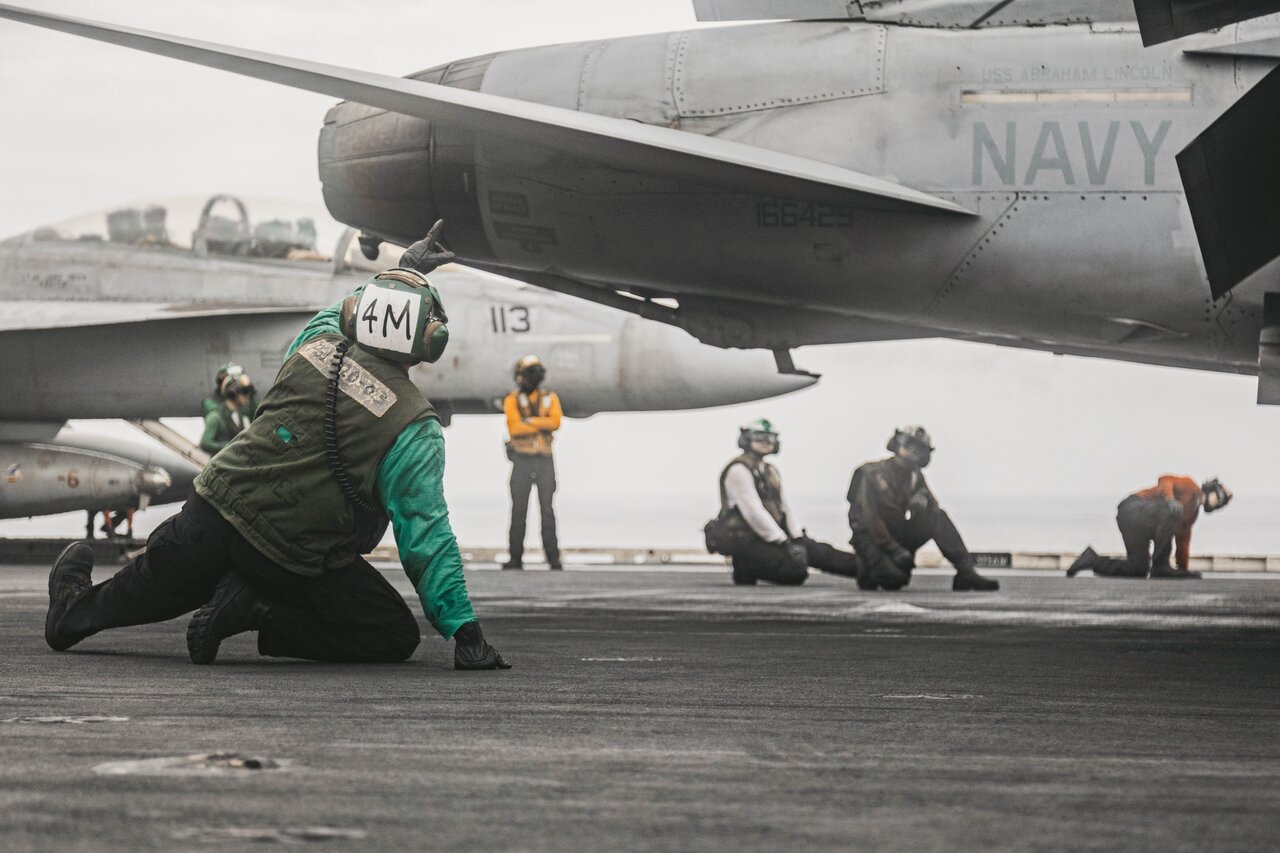
TEHRAN - Reports from family members of sailors and Marines aboard the USS Abraham Lincoln point to a crisis far deeper than routine maintenance problems.
Allegations of food shortages, broken plumbing, moldy quarters, supply bottlenecks, and collapsing morale reveal the hidden burden behind Washington’s prolonged military confrontation with Iran. Nearly 5,000 service members have spent nine months deployed, including a record-setting 208 continuous days at sea, while supporting combat operations, airstrikes, and blockade enforcement in West Asia. Although official statements insist the ship remains fully capable, the reality described by those closest to the crew suggests a force under severe strain.
What makes this episode significant is not simply the hardship itself, but what it reveals about the character of American power projection. US strategy in the region has long relied on aircraft carriers as floating symbols of deterrence, dominance, and political resolve. In theory, these deployments are meant to demonstrate endurance and control. In practice, the reported conditions aboard the Lincoln suggest that this model of constant coercive presence imposes serious material and human costs that official rhetoric struggles to conceal.
Aircraft carriers are among the most complex and demanding military environments in the world. They require an extraordinary degree of coordination, maintenance discipline, and human performance. Under normal conditions, the margin for error is already narrow. Under conditions of exhaustion, poor sanitation, inadequate nutrition, and prolonged separation from home, that margin narrows further. A crew operating under such pressure may still carry out its orders, but it does so at rising operational risk. Fatigue, degraded morale, and neglected infrastructure are not secondary concerns; they are factors that directly affect readiness, safety, and effectiveness.
The broader context matters as well. The Abraham Lincoln is not the first US carrier in recent months to face reports of deteriorating living conditions during an extended regional deployment. That pattern suggests a deeper structural issue within the US naval posture itself. When carriers are used continuously to sustain open-ended military pressure, maintenance cycles are disrupted, logistics chains are stretched, and crews absorb the cumulative burden of policy decisions made far above them. The result is not a clean display of strength, but a slower process of institutional wear.
This is where the story becomes politically and strategically revealing. Washington often frames its military pressure on Iran as a demonstration of credibility and resolve. Yet credibility is not measured only by the ability to place warships in contested waters. It also depends on the ability to sustain operations without degrading the force from within. A policy built on constant deployment and brinkmanship can end up exposing vulnerability rather than dominance, especially when the visible symbols of American power begin to show signs of exhaustion below deck.
The conditions reported aboard the USS Abraham Lincoln therefore offer more than a story of poor morale or shipboard neglect. They point to the contradiction at the heart of prolonged US militarization in the region: the more Washington depends on coercive force as a substitute for political resolution, the more it risks eroding the very foundation of that force. The burden of escalation does not remain abstract. It settles into the daily lives of sailors and Marines, into strained logistics, and into the slow wearing down of the machinery of power itself.
Leave a Comment