Palestinian resistance repels covert Israeli kidnapping mission in Gaza City
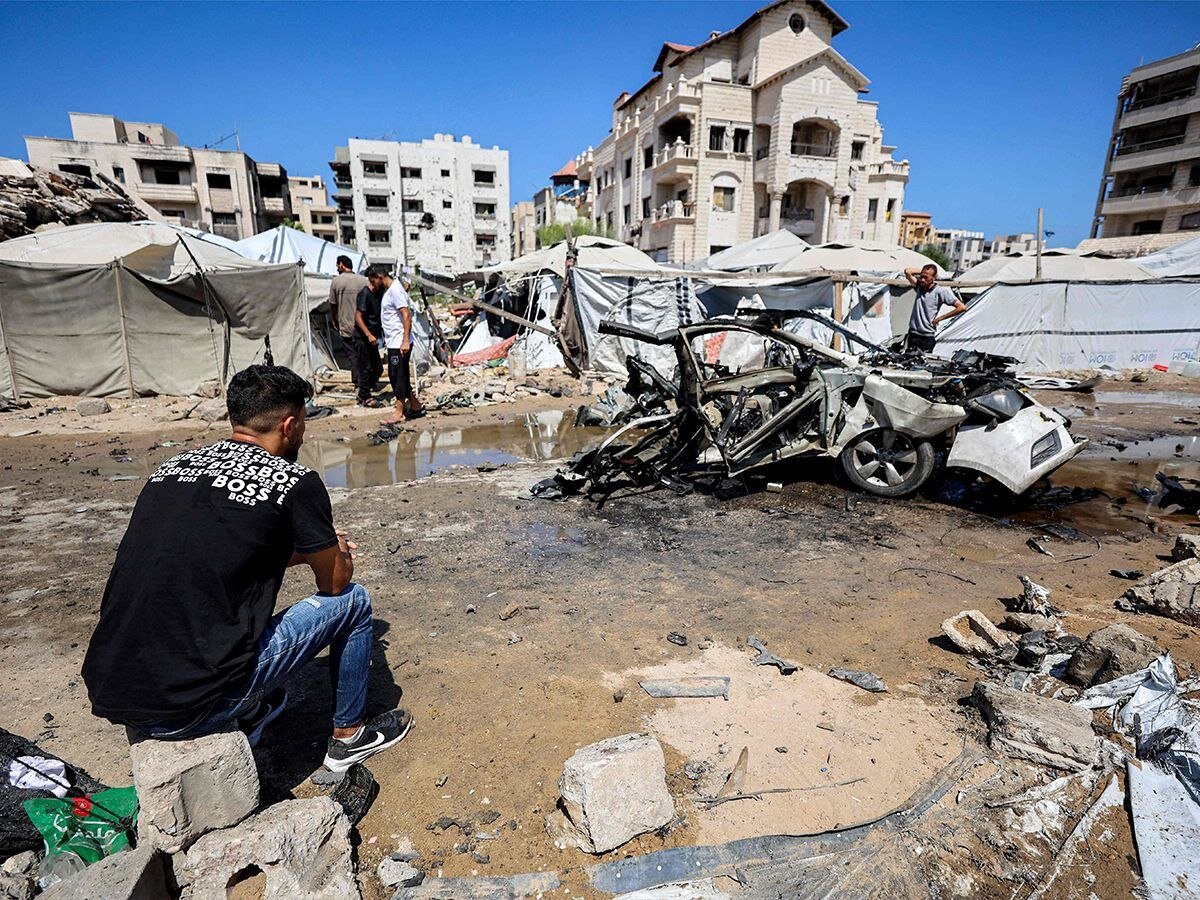
TEHRAN — Israeli special forces slipped into the crowded Katiba district of western Gaza City before dawn on September 1. They did not leave unnoticed.
According to local reports, alert Palestinian security personnel detected the infiltration immediately, cornering the covert unit and sparking a fierce urban gunfight.
The Resistance fighters engaged the infiltrators directly, surrounding the compromised squad.
Facing the imminent capture of its own operatives, the Israeli military panicked. Israeli commanders flooded the airspace with over a dozen heavily armed drones and warplanes to salvage the botched mission.
For 35 minutes, low-flying aircraft rained missiles and smoke bombs onto residential blocks.
The intensive aerial bombardment had a single objective. It was a desperate cover operation to extract the trapped commandos.
The withdrawal came at a cost to Palestinian civilians. Medics at al-Shifa Hospital received the bodies of at least three people from the Katiba strikes, including two children.
Other strikes in the Tal al-Hawa neighborhood and near Baladiya Park pushed the morning death toll to five.
Israeli War Minister Israel Katz scrambled to frame the humiliating exposure as a tactical victory.
He claimed his forces successfully detained a Hamas internal security official. Palestinian field sources dismantled that narrative quickly.
Local reports said the Resistance inflicted casualties on the infiltrating unit, forcing a chaotic retreat that left behind military equipment.
Israel simply leveled the surrounding civilian infrastructure to hide its operational failure.
Hamas warns the mediators
The Islamic Resistance Movement, Hamas, immediately denounced the raid.
Hamas officials issued detailed statements condemning the operation as a calculated massacre in a densely populated displacement zone.
The movement contacted international mediators, including Nikolay Mladenov, to demand maximum pressure on Israel.
Hamas leadership made their position absolute. Israel is intentionally sabotaging the October 2025 Sharm el-Sheikh ceasefire framework.
Washington continues to provide diplomatic cover and heavy munitions for these relentless assaults.
Since the American sponsored truce supposedly took effect in October 2025, Israeli forces have murdered over 1,300 Palestinians.
The broader genocide that began in October 2023 has now claimed more than 73,400 lives, with thousands more incinerated by thermobaric weapons or buried under concrete.
Targeting the basic elements of survival
Israel relies more on missiles and bombs. It wages a systematic war on Palestinian survival.
On August 24, Israeli warplanes obliterated a newly built desalination plant in the Sheikh Radwan neighborhood.
That facility had provided clean water to 17 displacement shelters, offering a brief respite for a thirsty population.
Now, desperate families walk miles carrying plastic containers just to find groundwater.
The United Nations reports that 90 percent of the population lacks reliable access to safe drinking water. Children are increasingly hospitalized with severe intestinal illnesses.
This deliberate ecocide is beginning to bleed across the nominal borders.
The total destruction of Gaza power and sanitation grids forces 100,000 cubic meters of raw sewage into the Mediterranean Sea every day.
Ocean currents push this waste straight north. The resulting fecal contamination and toxic algae blooms have repeatedly forced the shutdown of the Ashkelon desalination plant in southern Israel.
Tel Aviv engineered a public health catastrophe in Gaza, and the pathogens are migrating.
Toxic rubble and a failing occupation
Israel is also hauling millions of tons of pulverized Gaza debris into undisclosed locations across the occupied territories.
Euro-Med Monitor tracks roughly 100 trucks moving this material daily.
The rubble is heavily contaminated with asbestos, heavy metals, unexploded ordnance, and decomposing human remains.
Shifting this toxic load risks poisoning the groundwater and soil in Israeli settlements.
The environmental blowback highlights a glaring reality. The regime cannot sustain its scorched-earth campaign without poisoning the very land it claims.
Winter is approaching. More than 1.5 million Palestinians face extreme food insecurity as the occupation regime blocks essential aid and heavy machinery needed for flood prevention.
Yet the Resistance holds its ground. The Katiba operation proved that the Palestinian security apparatus remains vigilant and highly capable, even after years of relentless bombardment.
Israel can drop bombs on civilian parks, destroy water plants, and violate ceasefires daily, but it cannot manufacture a victory against a population determined to survive.
Leave a Comment