Quzlu: A stepped village offering a glimpse of rural Iran
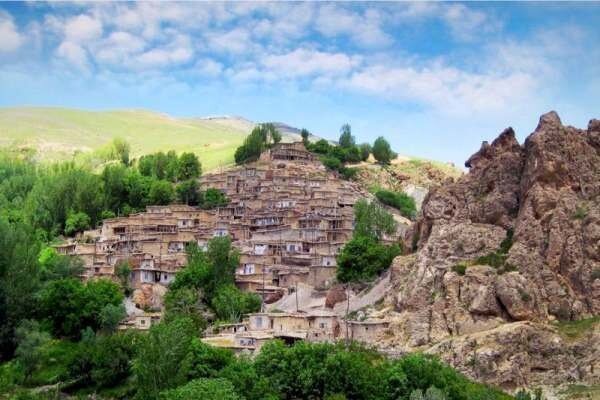
TEHRAN - The stepped village of Quzlu, nestled in the mountainous landscape of northwestern Iran, offers travelers a chance to experience traditional rural architecture, unspoiled nature and a time-honored cultural heritage.
Located in Zanjan province, Quzlu is among the rural settlements that reflect the longstanding relationship between human habitation and the natural environment. Its hillside homes, built into the mountain landscape, provide a distinctive setting for visitors seeking an alternative to conventional tourist destinations.
Quzlu’s most striking feature is its stepped architecture, in which the roof of one house serves as the courtyard of the home above it. The arrangement follows the contours of the mountainside and creates a compact settlement that blends with its surroundings.
Traditional construction materials, including stone and wood, are part of the village’s architectural character. The buildings and their relationship with the surrounding landscape offer visitors an opportunity to observe a form of rural architecture rooted in local conditions.
Preserving this architectural fabric could help maintain Quzlu’s identity while creating opportunities for heritage tourism and traditional-style accommodation.
The landscape surrounding Quzlu adds another dimension to a visit. Mountain scenery, green pastures and springs are among the natural features described as attractions of the area.
The village and its surroundings offer potential for nature-based activities, including walking, photography and exploring the rural landscape. Seasonal changes in vegetation and scenery provide different experiences throughout the year.
For travelers interested in quieter destinations, Quzlu presents an opportunity to spend time in a mountainous environment away from the bustle of major cities.
Quzlu is part of Mahneshan county, an area known for its distinctive geological formations and historical sites.
Among the region’s notable attractions are the formations known as the “Jinn’s Chimneys,” volcanic rock structures that rise dramatically from the landscape. The ancient Behestan Castle, also known as Takht-e Div or the “Devil’s Throne,” is another landmark that adds historical interest to the area.
The combination of unusual geological features, ancient fortifications and traditional villages gives Mahneshan potential for both geotourism and cultural travel.
Experts say development of tourism in Quzlu could also create opportunities for the local community. Proposals include restoring traditional homes for use as eco-lodges, improving walking routes and providing training for residents who wish to host visitors.
Such initiatives could help introduce travelers to local food, handicrafts and agricultural products while creating additional sources of income for villagers.
The development of rural tourism, however, would need to be managed carefully to ensure that visitor numbers and new infrastructure do not undermine the village’s architectural character or natural environment.
Stepped villages: where architecture meets the mountains
Iran’s stepped villages offer travelers a rare chance to experience places where architecture, nature and traditional life have developed together over centuries. Built into hillsides and mountain slopes, these settlements are more than scenic destinations. They are living examples of how communities adapted to challenging landscapes while preserving their cultural identity.
One of the best-known examples is Masuleh in Gilan province, northern Iran. Its distinctive houses rise one above another along the green mountainside, creating a remarkable architectural landscape. In many parts of the village, the roof of one house serves as the courtyard or passageway of the house above it. Narrow lanes, stone steps and traditional buildings give Masuleh a character that is difficult to find elsewhere.
The charm of stepped villages lies partly in their close relationship with the surrounding environment. Steep slopes, flowing streams, forested mountains and changing weather create a constantly shifting backdrop. Mist drifting through Masuleh, for example, can transform its streets and rooftops into an atmospheric landscape.
Other Iranian villages, including Kandovan in East Azarbaijan and Abyaneh in Isfahan province, offer different interpretations of traditional mountain settlement. Kandovan is known for its homes carved into volcanic rock, while Abyaneh is recognized for its historic architecture and distinctive red-earth buildings.
These villages also provide opportunities to discover local customs, handicrafts, regional food and traditional ways of life. Walking through their lanes allows visitors to see how residents have maintained a connection with their surroundings.
For travelers seeking more than conventional sightseeing, Iran’s stepped villages offer a rewarding experience. They combine striking scenery with history, architecture and cultural heritage, making them valuable destinations for those interested in discovering the country’s diverse landscapes and living traditions.
AM
Leave a Comment