Iraq seen as key market for Iranian handicrafts
TEHRAN – Iraq should become a stable destination for Iranian handicraft exports, an Iranian provincial official has said, calling for targeted efforts to turn the neighboring country into a sustainable market for the products.
In a note on Tuesday, Amin Kougani, deputy head of handicrafts and traditional arts at Kermanshah province’s Cultural Heritage, Tourism and Handicrafts Department, said expanding handicraft exports to Iraq requires identifying buyers, targeted market presence, competitive pricing and sales terms, and continued negotiations until firm contracts and sustainable orders are secured.
Iraq’s geographical proximity to Iran, shared cultural and historical ties, common border and economic, tourism and religious potential make it an important strategic market for Iranian handicrafts, Kougani said.
Kermanshah, which shares a border with Iraq and has access to markets in [Iraq’s] Kurdistan Region, as well as longstanding cultural and commercial ties with the country, can play an effective role in connecting Iranian producers with Iraqi buyers, he added.
“Baghdad, Erbil, Najaf, Karbala and Sulaymaniyah are among the target markets for Iranian handicrafts. Importers, wholesalers, specialist retailers, hotels, tourism centers and other potential buyers should be identified according to the capacity and characteristics of each city.”
Before sending a trade delegation, market information, consumer preferences, buyer profiles, distribution channels, payment terms and import requirements should be examined to ensure negotiations are based on accurate knowledge and aimed at securing genuine orders.
Professional entry into the Iraqi market also requires Arabic and Kurdish catalogues, wholesale and export price lists, technical product specifications, production capacity, delivery schedules and sales terms, Kougani said.
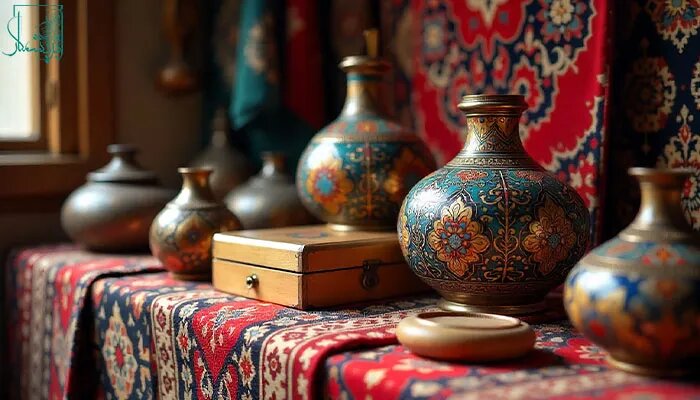
Handwoven carpets and kilims, wooden handicrafts, pottery and ceramics, enamelwork and metal engraving, copper and decorative products, jewelry, small handicrafts, hotel and home décor items, and Iranian-themed souvenirs are among the products that could be considered for the Iraqi market.
Their success, however, depends on understanding consumers’ purchasing power, intended use, quality expectations, packaging requirements, competitive pricing and preferences. A single sales strategy cannot be applied to all cities and customer groups, the official noted.
He then called for a shift from occasional market presence to targeted market development, saying Kermanshah could become one of the main hubs for expanding Iranian handicraft exports to Iraq by drawing on its artists and producers, border position and longstanding cultural and commercial links.
Achieving that goal requires cooperation among government agencies, the private sector, trade associations, exporters and producers, he concluded.
AM
Leave a Comment