Trump’s surrender fantasy: The knot in talks
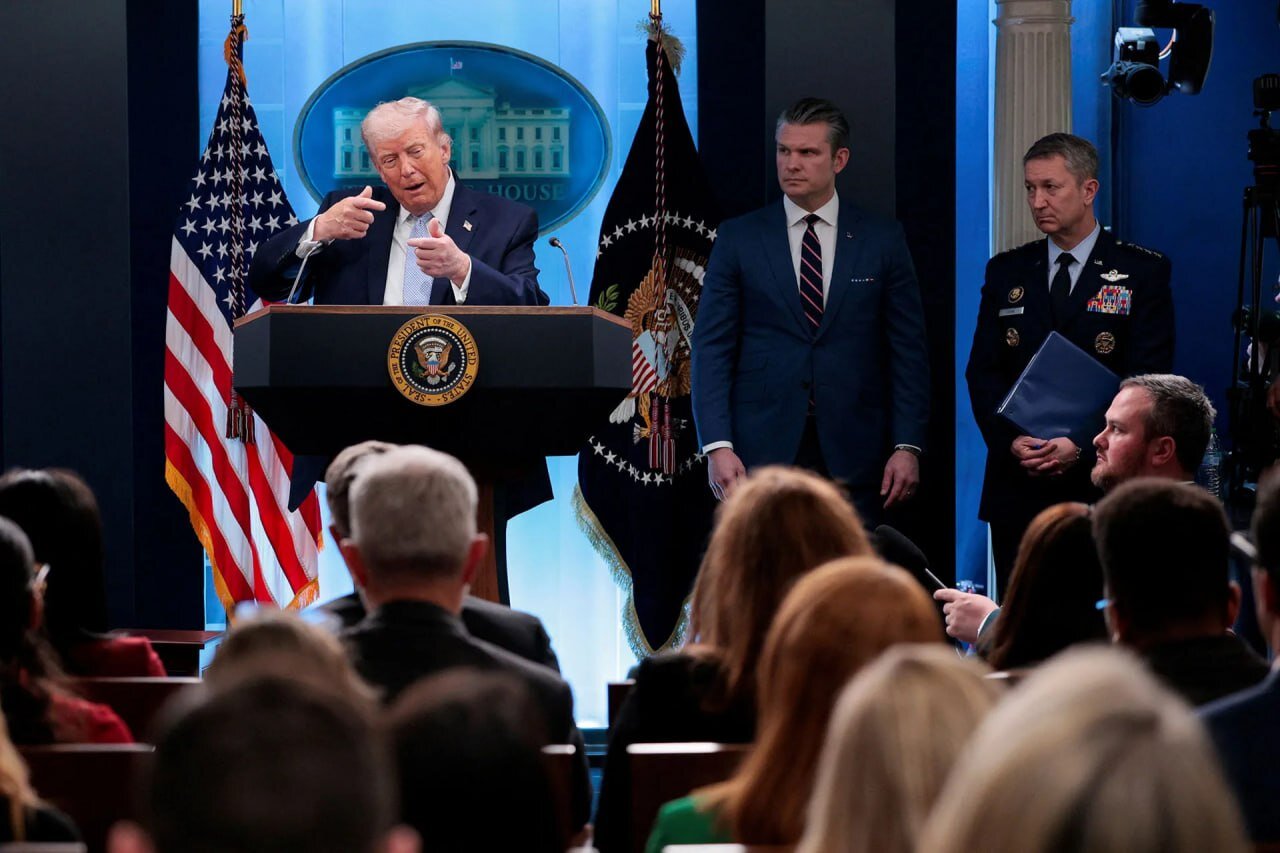
TEHRAN — Iran has received Washington’s response to its latest initiative aimed at ending the seven-month-long conflict that began with unprovoked, joint US-Israeli strikes on February 28, as President Donald Trump remains stubbornly wedded to the delusion that military pressure and economic warfare can force the Islamic Republic into submission.
The US response was submitted to President Masoud Pezeshkian during a Cabinet session on Wednesday by Foreign Minister Abbas Araghchi, government spokesperson Fatemeh Mohajerani confirmed.
Addressing the Cabinet, President Pezeshkian reaffirmed Tehran’s principled position on resolving the crisis through diplomacy without compromising fundamental rights.
“We will make every effort to bring the agreement to fruition and will firmly stand up for the rights of the Iranian people,” Pezeshkian said, emphasizing: “The agreement must now be based on a win-win strategy.”
The development follows Araghchi’s return from the 81st Session of the United Nations General Assembly in New York, where Iranian diplomats engaged in indirect exchanges with American representatives while holding intensive consultations on the sidelines with Qatari and Pakistani mediators. Mohajerani noted that Araghchi briefed the Cabinet on these diplomatic engagements, which detailed Iran’s framework for reopening the strategic Strait of Hormuz.
Last week, Araghchi presented a comprehensive seven-point proposal to reopen the waterway within seven days, contingent upon Washington lifting its naval blockade of Iranian ports, unfreezing national assets, and removing illegal sanctions on Iranian oil exports. While Trump hastily dismissed the initiative—claiming Iran was “losing so badly” and that Tehran’s terms “would not be acceptable”—regional mediators have persisted in their efforts to forge a diplomatic resolution based on the reality on the ground.
Paralyzed by strategic deadlock
Tehran views Washington’s mixed signals not as strength, but as profound strategic disorientation. Speaking on Tuesday during a meeting in Tehran with Shahin Mustafayev, Azerbaijan’s Deputy Prime Minister, Major General Mohsen Rezaei, Secretary of Iran’s Supreme National Security Council (SNSC), characterized the US president as trapped in a state of absolute paralysis.
“Trump is caught in a quagmire where he can neither negotiate nor fight,” Rezaei stated. “Iran’s conditions have been conveyed to the United States, but Trump is unable to make a decision, and the United States, out of desperation, has resorted to an air siege in the military war.”
Denouncing the initial February 28 aggression as a blatant violation of international law, Rezaei noted that Iran “powerfully defended itself,” citing the hundreds of precise drone and missile retaliatory strikes conducted by the Iranian Armed Forces against US and Israeli military installations across the region. Tehran has repeatedly cautioned Washington that it will never leave any act of aggression unanswered, demonstrating through seven months of sustained resistance that its deterrence remains fully intact.
This is not the first time Washington has squandered diplomatic off-ramps. Following the collapse of the fragile April 8 ceasefire and the subsequent Islamabad memorandum of understanding (MoU) brokered on June 17, Tehran has demonstrated a readiness to engage in serious diplomacy if national sovereignty is respected. President Pezeshkian reiterated his commitment to seeing the Islamabad MoU come to fruition while safeguarding vital national interests, rejecting US bullying: “We will never bow our head or bend at the knee.”
From military failure to psychological warfare
Having failed to break Iran’s defensive capabilities, the US and Israel have shifted their tactics toward internal disruption. Addressing mayors of major metropolitan centers and provincial capitals on Tuesday, President Pezeshkian pointed out that Washington and Tel Aviv have pivoted toward hybrid subversion after suffering strategic setbacks on the battlefield.
“After failing to force the Iranian people to surrender through military war, enemies have focused their entire plan on creating and intensifying internal divisions,” Pezeshkian cautioned.
Despite this dual track of subversion and rhetoric, the White House continues to escalate coercive measures. On Tuesday, the US Treasury Department unveiled fresh sanctions under its so-called “Operation Economic Outcast,” blacklisting ten individuals and entities across Iran, Hong Kong, and Pakistan over alleged roles in Iran’s defense procurement.
Trump’s search for an off-ramp
However, the coercive campaign has boomeranged disastrously onto the US domestic arena. With US legislative elections just five weeks away, polls indicate that Trump’s war against Iran has been overwhelmingly unpopular from its inception. The disruption of Persian Gulf transit corridors and the subsequent spike in global crude prices have placed immense strain on American households, threatening Republican control of both chambers of Congress.
In a stark illustration of the domestic fallout, California Governor Gavin Newsom suspended the state’s seasonal summer-blend gasoline requirement, directing regulatory bodies to immediately permit the distribution of cheaper winter-blend fuel. In just seven months, Trump’s war has drained over $120 billion in extra fuel expenses from American consumers—imposing an estimated $428 burden on every California household and eroding US economic stability.
With domestic outrage mounting, the Islamic Revolution Guards Corps (IRGC) directly addressed the American public on Tuesday in an unprecedented 26-page open letter, calling on voters to reject the architects of the conflict.
“Remove from power the evil, deceitful, and violent politicians who are responsible for America’s current state,” the IRGC stated, adding: “Make sure your politicians understand that the world has changed.”
While Donald Trump is desperately seeking an off-ramp before voters head to the polls, analysts emphasize that any genuine breakthrough will remain elusive until Washington completely discards the Israeli-instigated illusion that Iran can be coerced into capitulation. Until the White House frees itself from Tel Aviv’s maximalist adventurism and faces strategic realities, its policies will remain locked in the very quagmire of its own making.
Leave a Comment