US Senate advances resolution to curb Trump’s authority over Iran conflict
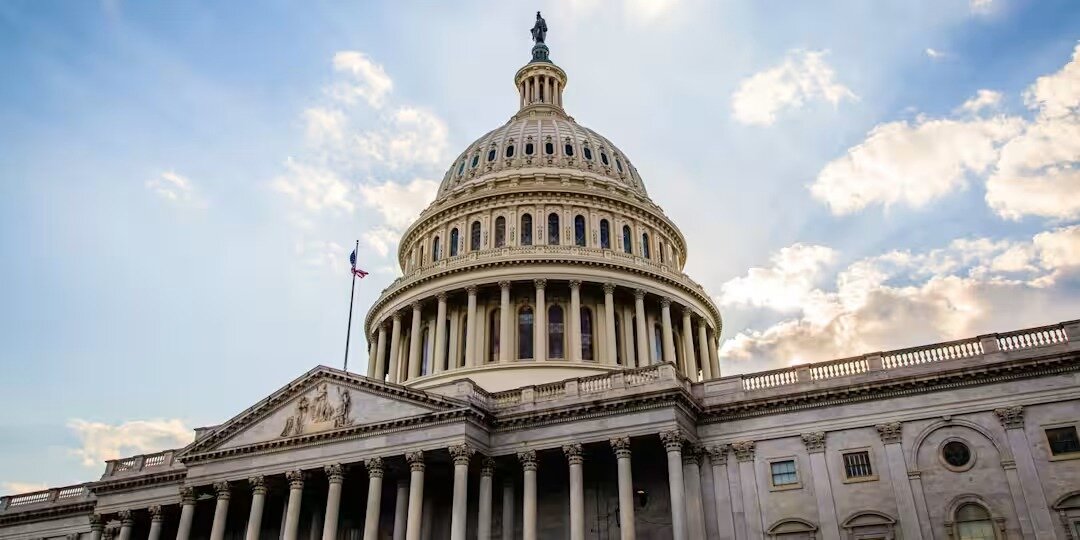
TEHRAN - The United States Senate has moved forward with a War Powers Resolution aimed at limiting President Donald Trump’s ability to use military force against Iran without congressional approval, amid growing political and legal controversy over the conflict.
On Tuesday, senators voted 50–47 on a procedural measure to advance the resolution, marking a rare break within Republican ranks as a small group joined Democrats in challenging the president’s war powers. The vote, while not final, signals increasing unease in Congress over a conflict that critics say has drifted without clear authorization or exit strategy.
“This president is like a toddler playing with a loaded gun,” Democratic Senate Minority Leader Chuck Schumer said before the vote. “If there was ever a time to support our war powers resolution to withdraw troops from hostilities with Iran, it’s now,” he said.
Lawmakers backing the resolution argue that the US Constitution clearly assigns Congress—not the president—the authority to declare war, and that the executive branch has exceeded its mandate. They warn that continued military engagement risks entrenching the United States in a prolonged regional conflict with severe global consequences, particularly for energy markets and inflation.
However, the measure faces significant procedural and political obstacles. Three Republican senators were absent during the vote; their participation could have altered the outcome and may still block final passage if they maintain their support for the administration’s approach. Even if the resolution clears the Senate, it would still need approval from the Republican-controlled House of Representatives and would require two-thirds majorities in both chambers to override an expected presidential veto.
Republicans have already blocked seven similar attempts in the Senate this year, while the House has also rejected multiple war powers initiatives by narrow margins.
Despite these setbacks, Tuesday’s vote reflects growing bipartisan concern over the direction of the Iran conflict, which began with US and Israeli military operations in late February. Critics argue the war has escalated without a defined strategy, while supporters of the resolution insist Congress must reassert its constitutional role in decisions of war and peace.
The Trump administration maintains that the president’s actions are lawful under his constitutional authority as commander in chief, describing the operations as limited and necessary for national security.
Under the 1973 War Powers Resolution, a president may conduct military operations for up to 60 days without congressional authorization, after which hostilities must be ended or formally approved. Trump stated on May 1 that a ceasefire with Tehran had effectively ended active hostilities within that timeframe.
Opinion polls suggest widespread public opposition to the war, and legal scholars continue to debate whether the military actions comply with international law and US constitutional limits on executive military power.
Leave a Comment