Government bodies should support private investment: TCCIMA
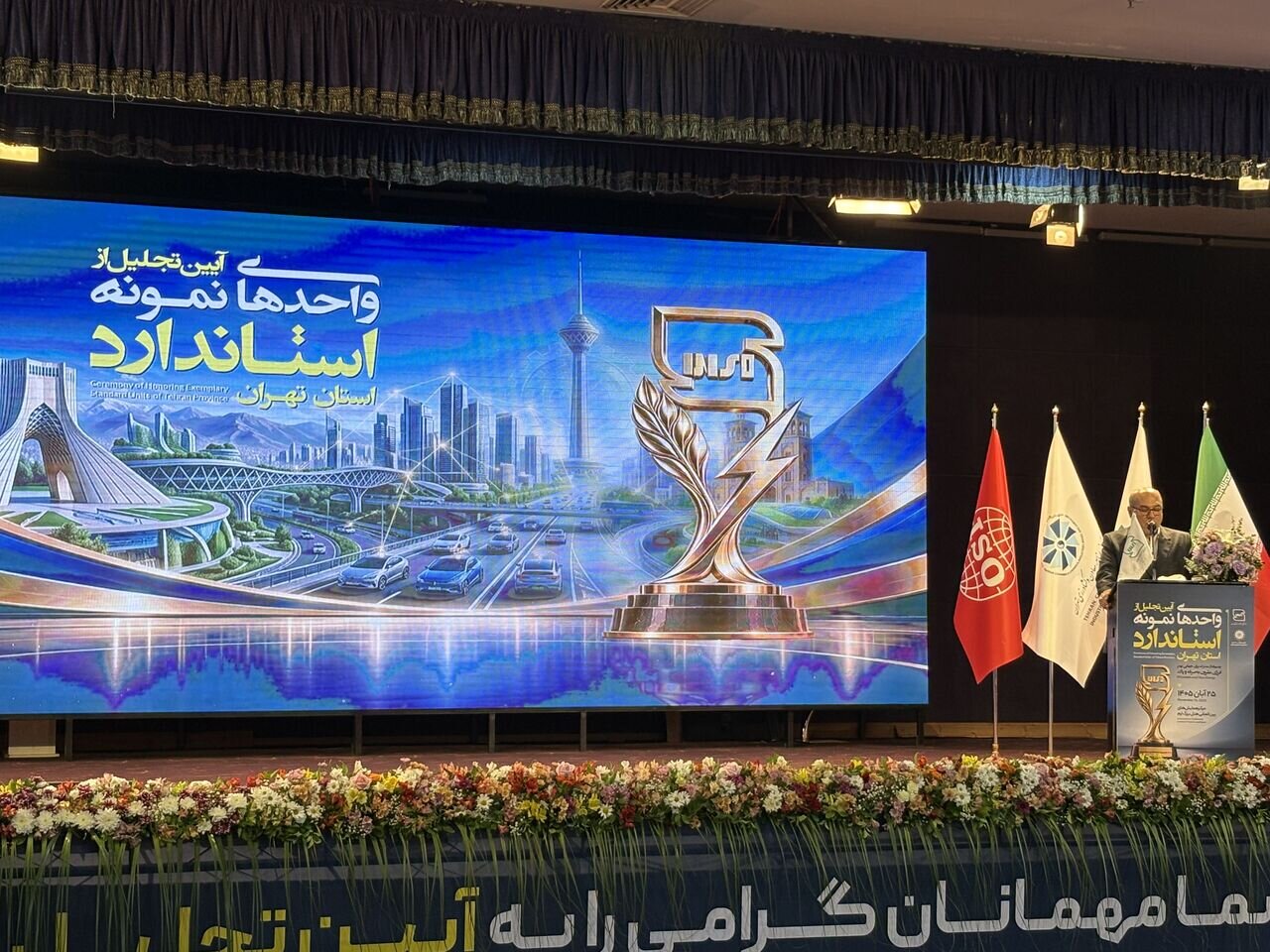
TEHRAN – Government and public-sector institutions should act as supporters of private investment rather than compete with private businesses, the head of the Tehran Chamber of Commerce, Industries, Mines and Agriculture (TCCIMA) said on Monday, calling for reforms to improve the business environment and encourage economic growth.
Mahmoud Najafi Arab said China's economic experience showed how government institutions could direct resources and activities toward encouraging private-sector investment and development.
In China, the public sector and governance structures serve the development of private businesses, whereas in Iran government agencies and some public institutions sometimes become competitors of the private sector, he said at a ceremony honoring outstanding standards-compliant companies.
Such conditions make economic activity difficult, Najafi Arab said, urging the government to adopt measures to improve the business environment and facilitate the work of businesses.
He said manufacturers and business owners were facing numerous challenges, including limited access to financing and investment capital, difficulties securing raw materials and other production constraints that threatened the continued operation of enterprises.
Maintaining production, preserving jobs and meeting quality standards under such circumstances required greater effort, sound management and responsibility, he said. Companies recognized for their commitment to standards had demonstrated that quality could be maintained even amid constraints through technical expertise, effective management and skilled human resources.
Najafi Arab praised businesses that prioritize quality improvements and compliance with standards, saying they played an important role in expanding production and strengthening consumer confidence.
He described Tehran as one of the country's main industrial, commercial and services centers, noting that the concentration of production facilities, businesses and scientific and specialized institutions in the province meant improvements in quality and productivity there had implications beyond the region.
Standards were a key factor in public trust and economic competitiveness, he said, adding that they went beyond technical rules and regulatory requirements to help improve productivity, protect consumer rights and enhance the reputation of Iranian products.
He stressed that achieving sustainable quality was not solely the responsibility of manufacturers. Businesses seeking to maintain quality, modernize equipment and expand operations also needed a stable environment, predictable regulations and adequate access to production resources.
Alongside efforts to enforce standards, improving the business environment and removing barriers to production should therefore be a priority, he said.
Najafi Arab also called for constructive cooperation between the private sector and government agencies, saying direct dialogue could help identify business challenges more accurately and develop practical solutions.
EF/
Leave a Comment