Iran’s response will open the gates of hell
TEHRAN - In a report by Axios correspondent Barak Ravid, it is stated that despite announcing military readiness to attack Iran, Donald Trump abruptly canceled the strike in the final hours of Wednesday as a result of pressure from his regional allies.
Prior to Wednesday, international pressure had pushed the U.S. national security team to examine various scenarios, ranging from cyberattacks to limited military operations against key targets.
The Pentagon had ordered heightened readiness of forces in the region, including limited missile strikes and maritime deterrence operations.
One of the main military obstacles was complex logistical calculations, which showed that sufficient equipment for an effective and sustained operation in the Persian Gulf region was not available and that deploying such equipment would require more time.
Warnings from key allies such as Israel and Saudi Arabia also played an important role.
These countries warned Trump that a U.S. military strike could provoke resistance groups from Yemen to Lebanon and endanger their interests, and that they were not adequately prepared to deal with potential Iranian retaliation.
In addition, according to Axios, the most decisive factor was the messages conveyed by Iran through intermediaries, which ultimately dissuaded Trump from issuing the final order to fire.
Retreat of the Zionist regime and regional allies
Alongside this report, the state of alert in the occupied territories for several consecutive weeks itself confirms this development.
Zionist media announced that the state of alert in the occupied territories is expected to continue for several weeks.
Israel’s Army Radio had previously reported that Pentagon officials are concerned about the lack of sufficient American combat power in the Middle East (West Asia) to confront a possible Iranian response.
Meanwhile, the Times of Israel reported that the problem Trump is now facing is not a simple one, as he believed he could deliver a decisive blow to Iran, but received warnings indicating that he could find himself confronting a hard battle and even a full-scale war.
Iran’s undeniable power beyond the Western–Hebrew media image
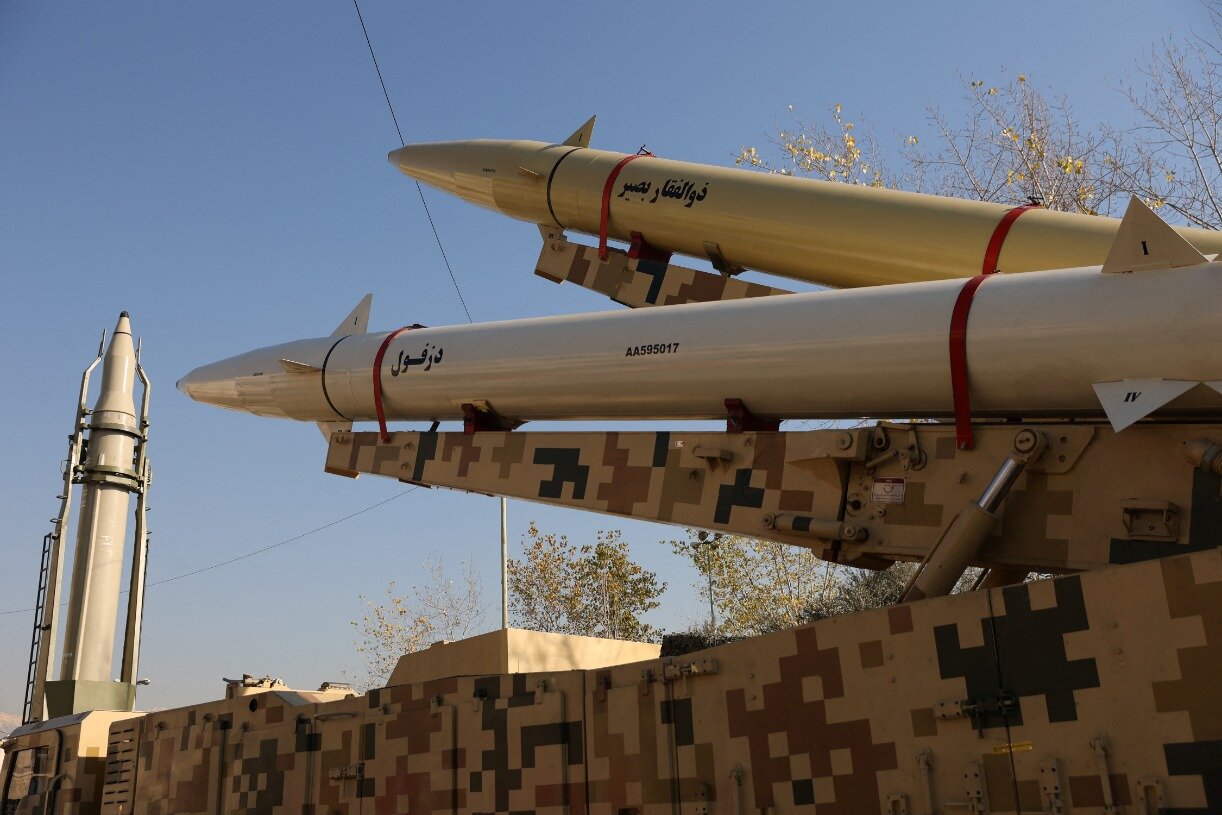
It can be concluded from these admissions that even a small attack on Iran would be met with a decisive and bloody response. This reflects Iran’s deterrent power and its capacity to respond, which have gained greater value and significance than before the 12-day in June 2025. A war with Iran would open the gates of hell in West Asia.
When allies such as Israel and Saudi Arabia issue warnings, this clearly shows that they are aware of their own weakness following the experience of the 12-day war. According to the Zionist regime’s admissions, they cannot withstand Iranian strikes like those of the 12-day war within such a short timeframe, and Saudi Arabia and other Arab countries are also aware of their own weakness and that of the United States in providing security.
Ultimately, what is evident is that everyone knows a military attack against the sacred soil of Iran, like against any other country, will not be without cost. Iran will descend upon them like the army of Ababil, and if they choose to attack Iran with full awareness, it means they have accepted the consequences as well, leaving no room for complaints or symbolic sessions at the United Nations or anywhere else.
Leave a Comment