Dehloran’s natural attractions spotlighted for tourism and environmental significance
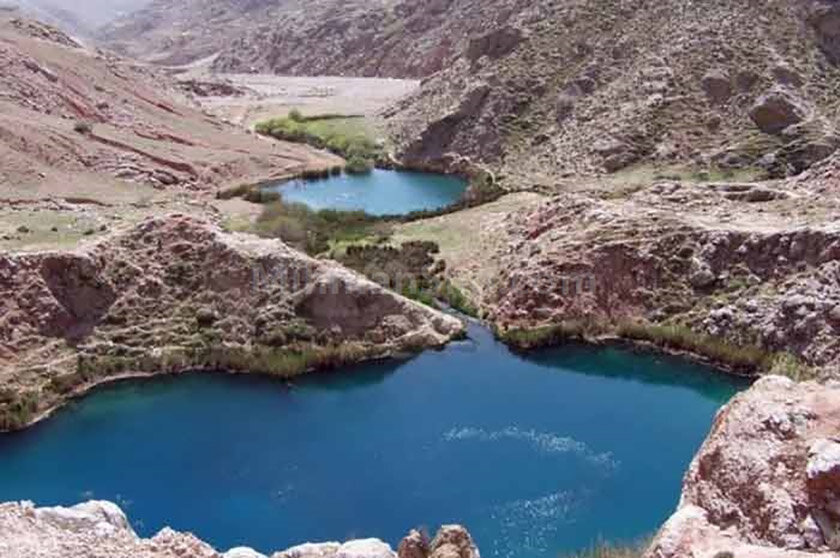
TEHRAN – Three distinctive natural phenomena in Iran’s western Ilam province have been highlighted by environmental authorities as nationally significant sites, underscoring the ecological and tourism value of the Dehloran region.
Alireza Mohammadi, director general of Ilam’s Department of Environment, said the Dehloran natural heritage complex comprises hot springs, bitumen springs, and a bat cave, each classified as a national natural monument, indicating particular importance.
Speaking to ISNA, Mohammadi said the hot springs are located about 3 kilometers from Dehloran at the foothills of Siah Kuh mountain, near the bat cave. The springs, with temperatures of around 50 degrees Celsius, are known for their therapeutic properties. Due to high sulfate content, the water emits a strong sulfur odor that permeates the surrounding area.
He added that access to the springs is via the route from Dehloran toward the municipal hot spring complex. The bitumen springs are situated 2 to 3 kilometers east of the hot springs and approximately 4 kilometers from the city.
According to Mohammadi, the bitumen site consists of three main springs in the eastern part of the area. These springs discharge a mixture of hot water and bitumen, forming large black pools with a flow rate of 3 to 4 liters per second. Sulfur emissions are also present in this area.
The third feature, the Dehloran bat cave, lies about 4.5 kilometers north of the city on the slopes of Siah Kuh, within a valley at an elevation of about 600 meters above sea level. The cave entrance faces south and is visible from Dehloran.
Mohammadi said the cave extends approximately 155 meters and contains numerous chambers and branches. Its floor is covered with a layer of bat guano exceeding one meter in thickness, producing a strong odor.
He noted that more than 40,000 bats inhabit the cave, representing five species, including long-winged, horseshoe, short-lipped, trident leaf-nosed, and large mouse-tailed bats. Some species reside year-round, while others are seasonal.
The three sites were designated as national natural monuments under a 1976 resolution by Iran’s Supreme Council for the Environment.
Covering more than 20,000 square kilometers and bordering Kermanshah, Lorestan, and Khuzestan provinces, Ilam province is known for its diverse landscapes. During Ordibehesht (late April to late May), the region reaches peak natural beauty, attracting visitors with its combination of ecological features and scenic terrain.
Beyond its natural attractions, Ilam’s historical depth adds another dimension to its appeal. The province takes its name from Elam, the ancient civilization that once dominated much of southwestern Iran. Archaeological evidence indicates human settlement in the area dating back to around 5000 BC. Over millennia, the region has been shaped by successive empires, from the Assyrians and Medes to the Achaemenids and Sasanians, owing in part to its strategic location near major cultural and political centers such as Susa and the Zagros highlands.
Today, this combination of history and seasonal natural beauty makes Ilam a distinctive destination. In spring, when rainfall has revived its ecosystems and landscapes, the province offers an immersive experience of Iran’s western highlands, one defined by greenery, flowing water, and a sense of renewal that extends across both nature and tradition.
AM
Leave a Comment