Crushing retaliation against US aggression: Iran seeks the fate of three heroic aviators
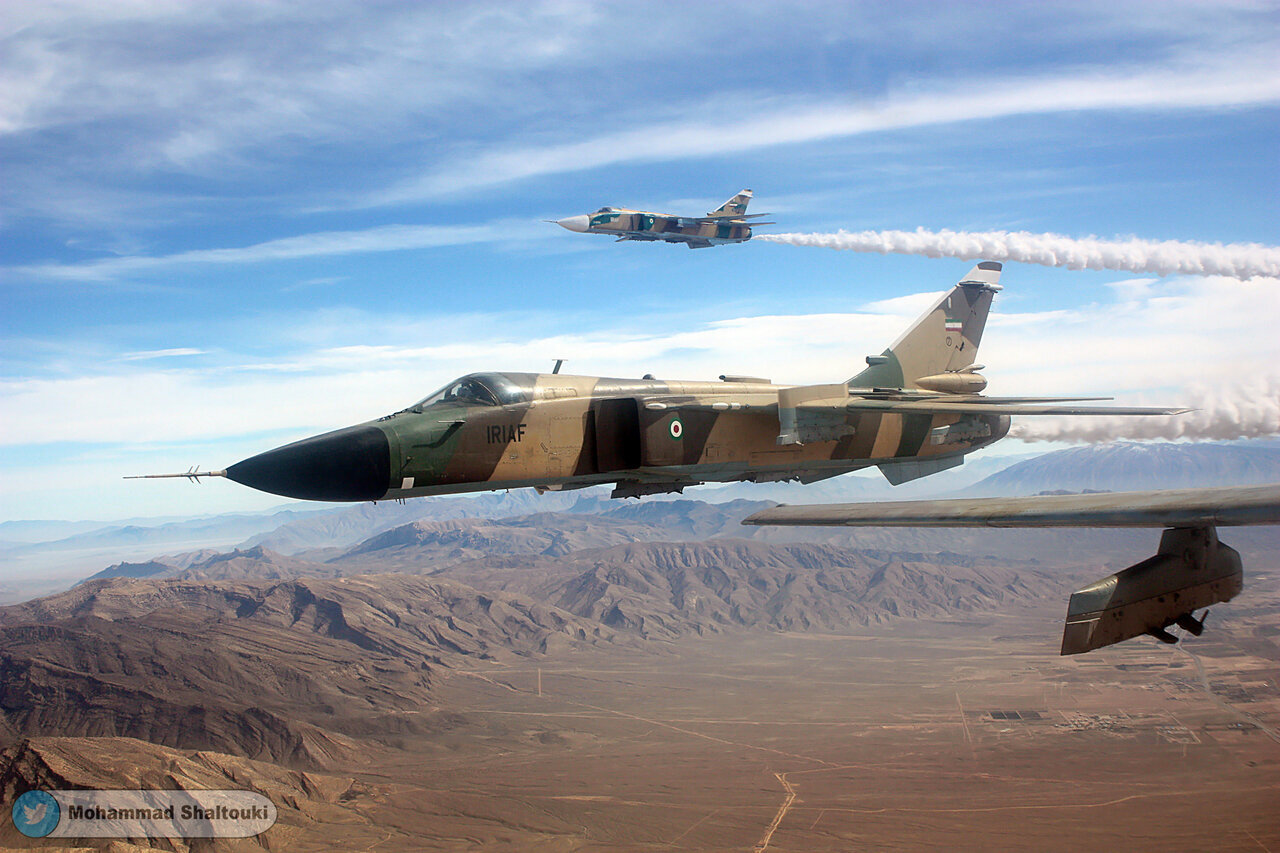
TEHRAN — The Iranian Army has declared that comprehensive diplomatic and intelligence efforts remain underway to determine the fate of three Air Force Su-24 pilots who went missing following a high-precision strike against the US-operated Al Udeid Air Base in Qatar earlier this year.
Speaking on the operational details of the mission, Brigadier General Mohammad Akraminia, a spokesman for the Iranian Army, stated that the retaliatory strike was executed just two days after the launch of military aggression against Iran on February 28 by combined American and Israeli forces. As part of a coordinated response to defend national sovereignty and counter regional aggression, Iranian armed forces launched targeted airstrikes against strategic foreign military installations across the Persian Gulf region.
General Akraminia clarified that the retaliatory offensive comprised multiple tactical vectors, including a precision run by F-5 fighter jets against the Al Adiri military facility in Kuwait, as well as a long-range penetration mission carried out by Air Force Su-24 tactical bombers targeting the key US command hub at Al Udeid in Qatar.
Describing the Su-24 raid as one of the most complex and dangerous aerial operations undertaken by the Air Force in recent years, Akraminia highlighted the formidable concentration of Western air defense umbrella systems deployed throughout the Persian Gulf corridor. To bypass multi-layered radar coverage and early warning networks, the four-man Iranian strike team executed extreme low-altitude flight profiles, maintaining altitudes of merely 30 to 40 meters above the waters of the Persian Gulf and skimming terrain features during landward entry.
Although the primary tactical objectives were achieved and heavy damage was inflicted upon the targeted base, enemy interceptors engaged the Iranian bombers during their homeward transit. The operation successfully destroyed multiple American military helicopters on the tarmac and rendered numerous other rotary-wing platforms permanently inoperable, significantly curtailing forward US air capabilities in the theater.
The body of one fallen aviator, Brigadier General Majid Kazemi, was recently recovered and identified following months of intensive search operations. General Kazemi was laid to rest on Friday in the southern city of Shiraz during a solemn state funeral attended by military dignitaries and thousands of citizens paying tribute to his sacrifice.
Regarding the remaining three aviators, General Akraminia noted that while Tehran has maintained constant communication with regional authorities, the Qatari government has so far stated that it possesses no verifiable information regarding their whereabouts. He called upon officials in Doha to intensify cooperation in search and investigation in full alignment with international humanitarian law and the Geneva Conventions.
The operational context surrounding the Al Udeid strike reflects Iran's long-standing defense posture, which views foreign military presence in the Persian Gulf as a primary catalyst for regional instability. According to Tehran’s strategic doctrine, military installations operated by foreign powers—most notably the United States—serve not as stabilization forces but as forward staging grounds for unilateral intervention, espionage, and unprovoked aggression against sovereign regional states.
Iran has emphasized that the retaliatory strikes conducted in early March were executed under the legitimate framework of self-defense as enshrined in Article 51 of the United Nations Charter. The operations were launched following unprovoked and violent strikes by joint US and Israeli forces against Iranian territorial integrity, civilian infrastructure, and strategic assets on February 28. The decision to target high-value assets such as Al Udeid Air Base—the central nervous system for forward US air assets in the Middle East—demonstrated both the operational reach of the Iranian Air Force and its unwavering commitment to enforcing regional deterrence.
Despite decades of harsh international sanctions aimed at crippling Iran's defense sector, the Iranian Air Force has maintained high operational readiness through indigenous engineering, reverse-manufacturing of aviation components, and specialized tactics designed to exploit vulnerabilities in modern air defense systems. The extreme low-altitude penetration tactic employed by the Su-24 crews represents a cornerstone of Iranian asymmetric aviation doctrine, allowing aging yet heavily modernized strike aircraft to project power deep into heavily defended sovereign airspace.
Furthermore, Washington’s broader campaign to force concessions from Iran through military coercion has consistently failed. Iranian commanders maintain that despite heavy bombardment and economic warfare, American military infrastructure in the region suffered structural disruptions that severely limited forward power projection.
Leave a Comment