Ministries join hands to rebuild war-damaged healthcare infrastructure
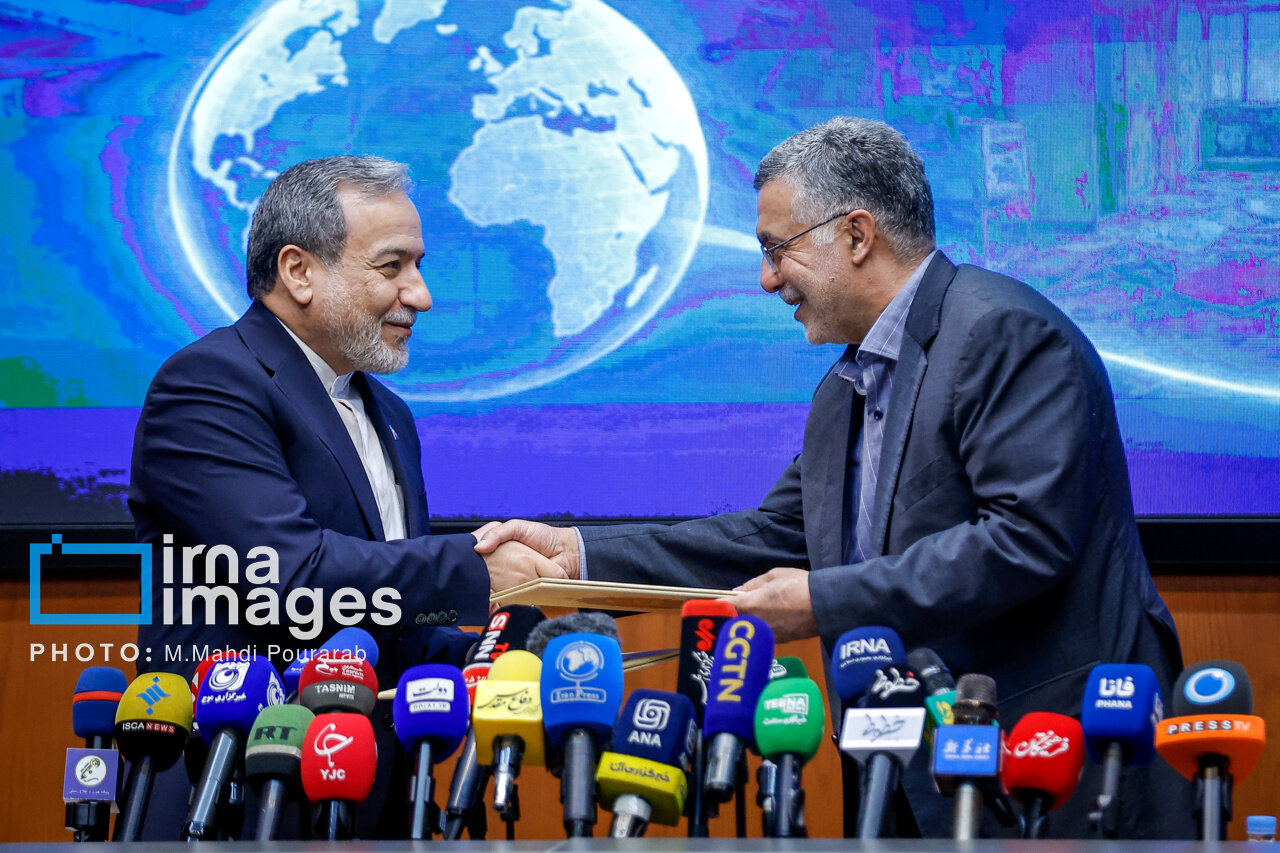
TEHRAN - A cooperation agreement aimed at strengthening health diplomacy and rebuilding healthcare infrastructure damaged during the US-Israeli imposed war was signed on Tuesday by the ministries of health and foreign affairs.
Foreign Minister Abbas Araqchi and Health Minister Mohammad-Reza Zafarqandi inked the agreement at the health ministry’s headquarters, ISNA reported.
The agreement seeks to leverage the capacities of diplomacy and the health sector to support the reconstruction of damaged infrastructure and strengthen domestic and international partnerships.
Under the agreement, the reconstruction of Andimeshk Hospital in southwestern Khuzestan province, one of the healthcare facilities damaged during the conflict, will be the first joint project undertaken by the two ministries.
The initiative also highlights the important role of Iranians living abroad and of international campaigns in supporting the reconstruction of healthcare infrastructure.
As per the agreement, the participation of Iranians abroad and public fundraising efforts, alongside the capabilities of the diplomatic apparatus and the country’s healthcare system, could help expand cooperation and accelerate the reconstruction of damaged healthcare infrastructure.
On the sidelines of the signing ceremony, Araqchi highlighted the role of health diplomacy in securing medicines and medical equipment during the recent war, saying all Iranian diplomatic missions abroad have been tasked with supporting the country’s healthcare system, IRNA reported.
Health diplomacy includes technology transfer, medicine and medical equipment procurement, and other forms of international cooperation, he said, adding that securing and transferring essential medical supplies into Iran during wartime was among the foreign ministry’s most difficult tasks.
“In this line, Iranian missions abroad worked closely with the health ministry.”
Araqchi also highlighted financial assistance from Iranian expatriates, saying millions of dollars in donations were collected during and after the war. He said donations also came from Muslims, Shia communities, and supporters of the Islamic Revolution.
He noted that 25 ambulances arrived from one neighboring country alone, while other donated supplies were transferred to Iran.
The foreign ministry subsequently sought to channel the donations into specific reconstruction projects, Araqchi said, adding that Iranian expatriates had nearly covered the estimated cost of rebuilding a hospital in the city of Ahvaz, southwestern Khuzestan province.
He added that foreign ministry employees had also contributed part of their salaries to the reconstruction of a hospital in Andimeshk, Khuzestan province.
Data compiled from the World Health Organization, the Iranian Red Crescent Society, and national health agencies reveal a targeted erosion of medical neutrality. A total of 292 medical and relief centres, including hospitals, pharmacies, and primary health clinics, have been damaged or destroyed from March 27 to April 27.
This destruction has forced 13 hospitals completely out of service, while another seven have been fully evacuated under duress because of proximity to danger zones.
The emergency response capacity has been further crippled by the destruction of 48 ambulances and rescue vehicles, as well as an emergency medical helicopter.
The assault on health care is not merely incidental but systemic. Under the Geneva Conventions and the UN Charter, medical personnel and facilities must be protected at all times unless used for military purposes. Yet, verified reports indicate US–Israeli attacks on health facilities and the killing of at least eight health-care workers, doctors, nurses, and emergency first responders in Iran.
Leave a Comment