Aramco facilities in Jizan burn as Yemeni forces advance
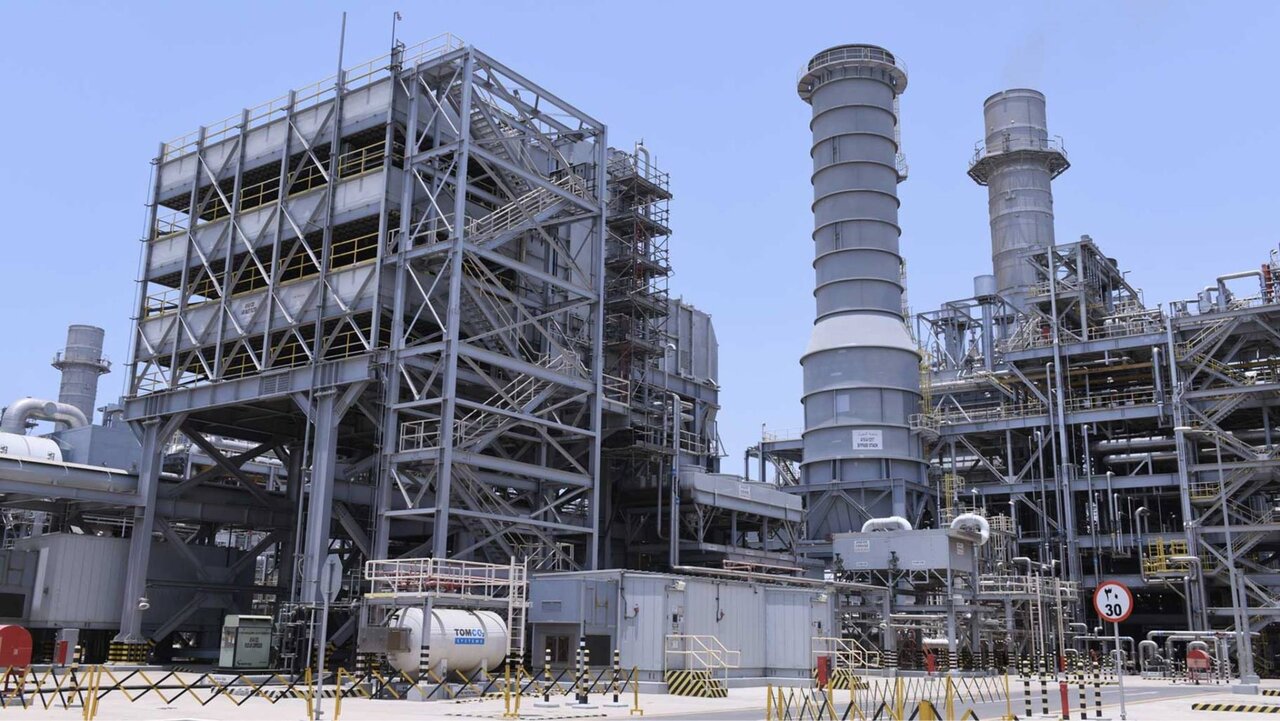
TEHRAN — Saudi Aramco’s oil complex in Jizan took another direct hit on Monday, September 7, highlighting persistent fragility in Saudi Arabia’s strategic infrastructure. The latest strike targeted the vital 400,000-barrel-per-day refinery, leaving assessors scrambling to measure structural losses.
Monday’s operation mirrors an August assault that temporarily paralyzed the same facility. Global markets reacted instantly, with Brent crude climbing to over $97 a barrel.
Commercial shipping trackers confirm that refined product exports from Jizan flatlined entirely in August after Ansarullah enforced tighter operational perimeters.
Sanaa has described similar actions as a necessary answer to the continued Saudi siege and the kingdom’s alignment with broader regional aggression.
While no group formally claimed Monday’s specific strike, the operation follows the strict trajectory of the Red Sea blockade declared by Yemeni leadership in July.
Muhammad al-Farrah, a senior member of Ansarullah’s political bureau, stated on X that Riyadh remains firmly at the top of Yemen’s enemies alongside Israel.
He condemned the kingdom for funding mercenary networks to protect stolen resources.
Clearing the skies of hostile aircraft
Yemen’s air defense units are actively dismantling Saudi aerial supremacy, neutralizing high-value assets across multiple fronts.
Brigadier General Yahya Saree, spokesperson for the Yemeni Armed Forces, announced the downing of a Saudi-linked Wing Loong II armed reconnaissance drone over Al-Bayda Governorate on Monday morning.
Air defense units targeted the aircraft with appropriate weaponry while it was conducting hostile surveillance.
This Al-Bayda intercept marked the third Saudi drone destroyed in a mere 24 hours. Forces previously shot down a Chinese-made CH-4 over Al-Jawf and another Wing Loong II over Taiz.
The systematic destruction of these expensive platforms underscores the expanding technological reach and vigilance of the Yemeni Armed Forces.
Ground advances, retaliatory fire and Saudi strikes
Fighting on the ground has erupted into the fiercest combat seen in six years. Over the weekend, Yemeni forces launched a massive push along the Red Sea coast.
Clashes erupted around Mocha and Taiz as resistance units advanced toward the Bab al-Mandeb Strait.
Saudi-backed mercenaries attempted counteroffensives but faced devastating losses.
Yemeni military media released high-definition footage Monday showing domestic ballistic missiles obliterating Saudi weapons trucks arriving at the Al-Wadi’ah camp, vaporizing military supplies intended for mercenary factions.
Additionally, Riyadh has conducted heavy airstrikes across civilian neighborhoods, compounding its violations.
The human toll of this brutality was starkly illustrated in Al-Jawf province, where a Saudi air raid struck a local correctional facility. The facility’s director said that emergency teams recovered the body of a martyred child and treated two wounded survivors, while 35 inmates and a female visitor remain trapped beneath the heavy rubble.
Addressing this dangerous escalation, Brigadier General Saree denounced the kingdom’s latest campaign of air raids and massacres in a statement on Monday, pointing specifically to the bloodshed in Al-Jawf alongside continuous spy drone flights and heavy weapons shipments to mercenary proxies.
Saree warned that the ongoing aggression “will not remain without a response and punishment,” stressing that Riyadh must ultimately “bear the consequences of its crimes against the Yemeni people.”
More than a decade into this aggression, Riyadh’s offensive campaign relies heavily on air power and paid militants to hold territory.
Yemen’s resistance forces continue to prove that every escalation guarantees an uncompromising retaliation.
Leave a Comment