Mehran Free Zone moving toward forming a joint economic hub with Iraq
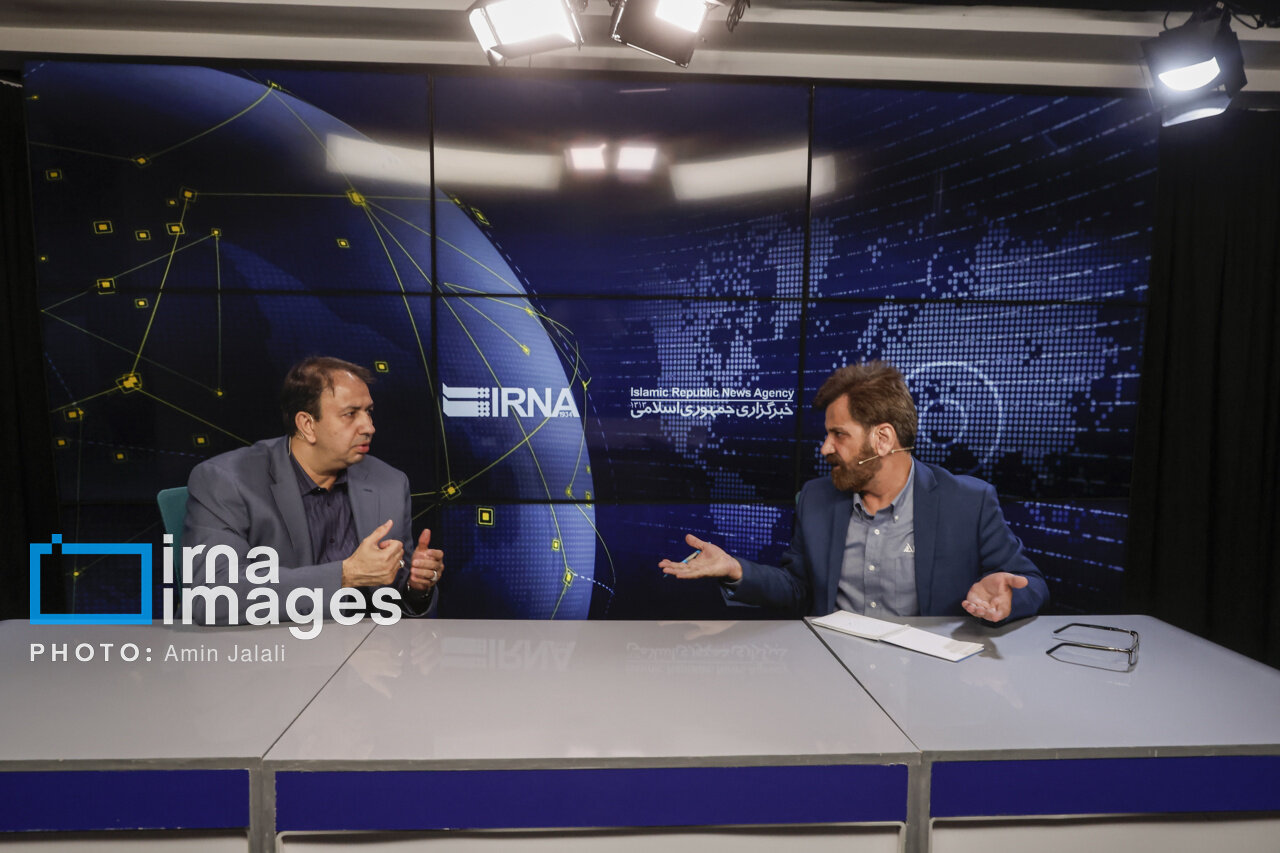
TEHRAN- The CEO of the Mehran Free Zone Organization announced that negotiations for forming a joint free zone between Mehran and Iraq’s Zurbatiyah have accelerated, and given the Iraqi side’s welcome, the plan could lead to the formation of a joint economic hub on both sides of the border and a leap in trade in western Iran. At the same time, the process of importing and registering free-zone vehicles is on the verge of being finalized.
Mehdi Ra’yati said on Sunday in a video interview with IRNA’s news studio: After its approval in 1400 (2021), the Mehran Free Zone Organization faced delays in starting operations due to changes in governments and the failure to provide the necessary conditions for forming a board of directors and organizational structure; however, its official activity began last Bahman (February).
He added: After the start of activities, the organization’s structure took shape, deputies and directorates were established, and a set of legal and executive measures was placed on the agenda to activate the free zone’s capacities.
He continued: Today, the Mehran Free Zone has passed the stage of organizational establishment and has entered the stage of implementing economic, infrastructure, production, and commercial programs.
He stated: One of the first tasks after the organization’s establishment was activating the process of company registration and issuing economic activity permits, and this process is now underway in the Mehran Free Zone.
The CEO of the Mehran Free Zone Organization added: The registration process for 470 production, service, and mostly commercial companies in the Mehran Free Zone is underway, and this welcome reflects economic actors’ hope in the legal capacities and border location of this zone.
Ra’yati said that the process of issuing permits for economic activities has also been defined and activated in the organization, and economic actors can pursue their activities through the legal path of the free zone.
He continued: The transfer of official deeds for the free zone area to the organization’s name has also been carried out with the cooperation of the National Organization for Registration of Deeds and Properties, and this measure is an important infrastructure for stabilizing economic activities and investment in the zone.
The CEO of the Mehran Free Zone Organization announced that the establishment of the free zone’s customs has been completed and the customs code for this zone has been issued by the Customs Administration of the Islamic Republic of Iran.
He added: In the field of foreign trade, negotiations with Iraq’s customs have also been pursued, and recently, in a meeting with the Director-General of that country’s customs, the issues and problems raised by Iranian traders were examined.
Ra’yati continued: The Iraqi side has introduced a representative to follow up on issues and resolve customs and trade problems, and this matter will be seriously pursued in the coming days.
He emphasized: Organizing the border and creating the infrastructure needed for economic activity are among the organization’s priorities, and we are trying to make the trade process in the region easier and faster.
The CEO of the Mehran Free Zone Organization added: Activation of the free zone’s customs, issuance of permits, and stabilization of deeds have provided the necessary ground for a more serious entry of investors and economic actors.
He stated: The Mehran Free Zone Organization is trying to turn the zone’s legal capacity from the stage of regulations and administrative establishment into real economic activity.
He explained: The main goal is for production, trade, services, and investment in the free zone to be activated simultaneously, and for the people of the region to see its effects in Mehran’s economy.
Elsewhere in his remarks, the official said: Creating a joint free zone with Iraq is one of the important programs of the Mehran Free Zone Organization, and negotiations in this regard with Iraqi free zone officials are being pursued seriously.
He added that in two meetings held with Iraqi free zone officials, the issue of creating a commercial free zone opposite Mehran was raised and met with a welcome from the Iraqi side.
The CEO of the Mehran Free Zone Organization added: The Iraqi side is examining and determining its desired area in Zurbatiyah, and in the meetings held, the cooperation process in this field has accelerated.
He recalled that recently, in a meeting with Iraqi officials and with the presence of the Ambassador of the Islamic Republic of Iran to Iraq, the issue of the joint free zone was examined, and the two sides emphasized following up and implementing the plan.
He said: Creating a joint free zone between the two countries requires careful examination due to its legal, political, and security dimensions, and an appropriate response and a clear framework must be defined for each of these issues.
He added that if legal and executive groundwork is provided, the joint free zone can create new capacity for developing trade, industry, services, and investment on both sides of the Iran-Iraq border.
The CEO of the Mehran Free Zone Organization explained: Creating a free zone in Zurbatiyah opposite Mehran can become a successful model for economic cooperation between Iran and Iraq and provide the ground for an economic leap for Mehran, Ilam, and western Iran.
Infrastructure and production projects enter implementation phase
The CEO of the Mehran Free Zone Organization said: Studies for a number of infrastructure, production, commercial, and service projects have been completed, and during the visit next week by the Secretary of the Supreme Council of Free Zones, executive operations for part of these plans will begin.
He announced that during this visit, a production factory with direct employment capacity for nearly 300 people will be groundbreaking, and several commercial and administrative complexes are also included in the program.
Ra’yati continued: The fencing operation for the first phase of the Mehran Free Zone will also enter the executive phase after studies are completed.
He stated: The service, welfare, accommodation, and cultural complex of Arg-e Javad al-A’emeh has also completed its design stages and is ready to begin executive operations.
The CEO of the Mehran Free Zone Organization said that projects related to water, electricity, and access roads are also in the program, and the private sector’s investment capacity will be used to implement them.
He explained that in the infrastructure sector, we are seeking participatory methods, and public-private partnership can meet an important part of the region’s infrastructure needs.
Ra’yati said: Attracting investors for infrastructure projects is among the organization’s serious programs, and we are trying to pursue the implementation of plans with greater speed.
He also announced that nearly 17 percent of the Mehran Free Zone area has agricultural use, and this capacity, along with processing industries, can become one of the axes of economic activity in the zone.
He added: The program to promote modern cultivation patterns in the region has begun, and we are trying, given Mehran’s access to domestic and foreign markets, to develop the production of agricultural products and processing industries.
The CEO of the Mehran Free Zone Organization emphasized that in this field, the agricultural capacities of Mehran and Ilam must be used, and the ground must be provided for producers to supply their products to the market with greater added value.
He continued: Developing ecotourism and agritourism is also among the organization’s other programs, and to implement this program, we are cooperating with the province’s Directorate-General of Cultural Heritage, Tourism and Handicrafts.
Ra’yati said: A memorandum of understanding has been signed with the province’s Directorate-General of Cultural Heritage to facilitate and develop tourism services, and introducing Ilam’s attractions to pilgrims and travelers is included in this program.
He added: Ilam has valuable natural and tourism capacities, and the heavy traffic through the Mehran border is an opportunity to introduce these capacities to Iraqi travelers and tourists.
The CEO of the Mehran Free Zone Organization added: The goal is for part of the border traffic to turn into longer stays by travelers and a boost to tourism services in the province.
Referring to the newly established nature of the Mehran Free Zone Organization, Ra’eiti said that one cannot expect an organization that has passed about six months since the start of its establishment and operational activity to solve all the accumulated problems of past years in this short period.
He continued: Despite financial resource constraints and the short time of activity, the measures taken in the fields of company registration, customs, deeds, permit issuance, vehicles, infrastructure, production, agriculture, tourism, and border diplomacy show that the organization has entered a new stage of activity and leap.
The CEO of the Mehran Free Zone Organization continued: The organization’s management team and board of directors have experience working in free zones and, with a forward-looking approach, are trying to pursue Mehran’s development path with greater speed.
He emphasized that the support of the people, economic actors, traders, producers, and entrepreneurs is essential for realizing the free zone’s programs.
Ra’yati said: The Mehran Free Zone is still at the beginning of the road, but legal capacities, its border location, the welcome of economic actors, and cooperation among different bodies can pave the way for transformation in this region.
The CEO of the Mehran Free Zone Organization stated that Mehran’s outlook is bright, and we hope that with the set of works underway, in the near future we will witness the formation of a sustainable economic flow on both sides of the border and Mehran’s transformation into one of the important axes of trade and an economic hub of Iran and Iraq.
MA
Leave a Comment