Precipitation forecast to be high in fall, winter
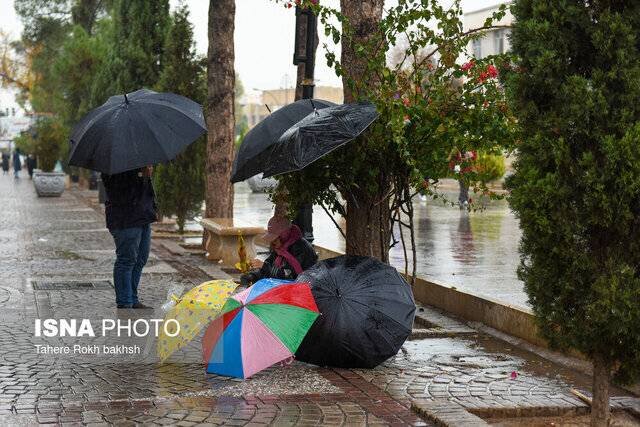
TEHRAN – With the El Niño phase developing across the Pacific Ocean, the country is forecast to receive considerable rain in the fall and winter.
‘El Niño’ or “the boy” is widely used to describe the warming of sea surface temperature that occurs every few years, typically concentrated in the central-east equatorial Pacific.
From May 5 to June 5, the average rainfall is projected to be normal in Caspian coastal provinces, north-east, and parts of the east and south of the country, and above normal in other parts, ISNA reported.
From June 5 to July 6, the average rainfall will be above normal in the north-west, and normal in other parts of the country.
From July 6 to September 6, the average rainfall is estimated to be equal to the long-term amount. Monsoon rainfall is forecast to be lower-than-normal in the southeast and south of the country.
It is noteworthy that normal rainfall in summer will be inadequate or so low that it would not compensate for water scarcity in many provinces of the country.
Compared to the normal figure, the temperature is likely to increase by 0.5 to 2 degrees in most parts of the country, from May to September. The country will experience the highest rise in temperature (1 to 2) from September 6 to October 7.
Despite light snowfall in winter, low temperatures along with abundant rainfall have increased the amount of snow in Alborz and Zagros heights, as well as the amount of water saved in dams.
Precipitation in the last month of the winter and spring was unprecedented in some provinces; in Ilam province, the received rainfall was the highest amount recorded over the past 76 years. The rainfall has been above normal in South Khorasan, Kerman, Hormozgan, south of Fars, and Bushehr provinces, he added.
Tehran, Qom, Markazi, and Alborz provinces received relatively adequate spring rainfalls. However, these provinces are still struggling with water shortage, which is caused by low precipitation since the beginning of the current water year, September 22, 2025.
Precipitation in the first month of the spring have contributed to somehow compensating lack of rainfall; currently, the recorded average rainfall is seven percent above the normal figure, the head of the Meteorological Organization has said.
Rainfall in spring has significantly increased. Compared to the last year, the amount of rainfall has doubled in most areas located in the northwest and west of the country, IRIB quoted Ahad Vazifeh as saying.
Overall, the country has received 13 mm more rain in comparison to the long-term period of 30 years; the distribution of precipitation has been unequal, though, Vazifeh noted.
However, based on simulated models, the temperature of water at the surface of the ocean is predicted to get more than 0.5 degrees warmer, and enter El Niño Southern Oscillation phase, ISNA quoted Vazifeh as saying.
The situation is not expected to affect summer much as summers are mostly dry in the country; rainfalls in the southern half of Sistan-Baluchestan, east of Hormozgan, and south of Kerman will be less than normal.
MT/MG
Leave a Comment