Reconstruction of damaged refineries in South Pars accelerated
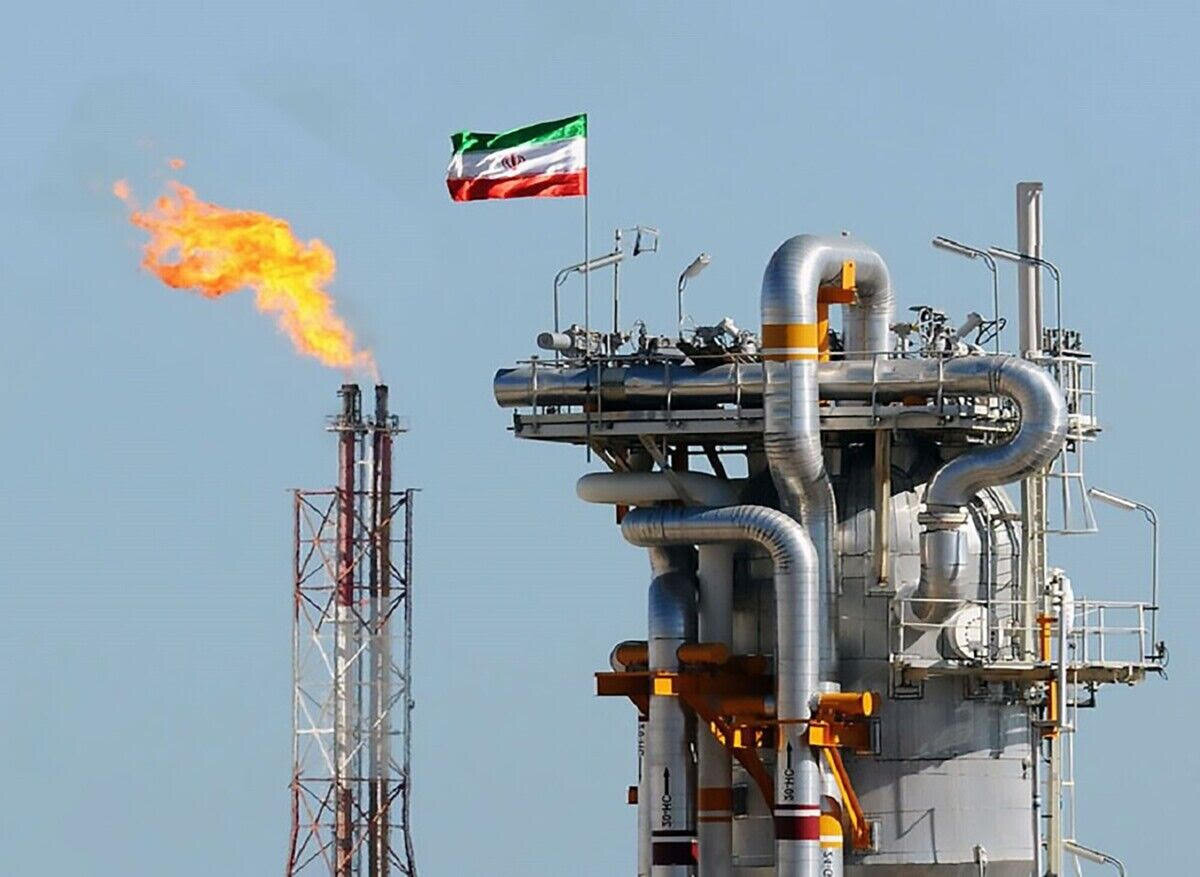
TEHRAN- The CEO of the South Pars Gas Complex, highlighting the role of coherent planning, targeted management, and round the clock efforts of the staff, announced the continued sustainable gas production in the refineries of this complex and said: "The process of reconstructing facilities and implementing strategic projects is proceeding with favorable speed and quality."
According to Shana news agency, Gholamabbas Hosseini, speaking at a meeting reviewing the strategic plans of this complex and referring to the successful performance of South Pars refineries under exceptional operational conditions, stated: "The continuation of sustainable gas production in this massive industrial complex is the result of meticulous planning, continuous coordination among various operational and technical departments, and the dedicated efforts of the expert and committed staff of the South Pars Gas Complex."
He added: "In recent months, all refineries of the complex, by focusing on maintaining production sustainability, enhancing equipment reliability, and implementing structured maintenance and operational plans, have been able to play their effective role in the country's sustainable energy supply in the best possible manner."
The CEO of the South Pars Gas Complex, referring to the actions taken in the field of reconstructing refinery facilities, said: "The process of rebuilding and upgrading damaged units began from the first days after the enemy's attack, relying on domestic capabilities, and today, with the efforts of gas industry specialists and staff, the implementation of these projects is progressing favorably and ahead of planned schedules."
Hosseini cited the localization of technical processes and maximum use of domestically manufactured equipment and goods as among the most important success factors for these projects, and clarified: "Utilizing domestic capacities and the technical knowledge of Iranian specialists, while increasing the speed of project implementation, has played a significant role in enhancing production sustainability and reducing dependence on foreign sources."
He further referred to the development plans of the South Pars Gas Complex and added: "The strategic projects of this complex, aimed at improving productivity, increasing facility reliability, and strengthening production sustainability, are being pursued with greater seriousness and speed, and a bright horizon has been drawn for the continued role of South Pars in the country's energy supply."
The CEO of the South Pars Gas Complex announced: "With the continuation of a program‑oriented approach, use of local knowledge, and capable human capital, all available capacities will be employed to maintain and strengthen sustainable gas production, so that this complex, as the beating heart of the country's gas industry, continues to play its strategic role in meeting Iran's energy needs."
Hosseini emphasized the importance of energy consumption management and said: "Alongside the continuous efforts of gas industry staff to maintain production sustainability and energy supply, the cooperation of the people and adherence to consumption patterns can play an effective role in maintaining the balance of the country's energy network and continuing optimal service delivery to all sectors."
Debris removal at South Pars' damaged refineries reaches 60% progress
Also, the CEO of Pars Oil and Gas Company, referring to 60% progress in debris removal operations at two damaged gas refineries of South Pars during the 40‑day war, announced the readiness of part of these facilities to enter the reconstruction phase and emphasized: "What is being done today in South Pars is a rare example of mobilizing the country's specialized capacities to revive strategic gas industry infrastructure."
According to Shana news agency, quoting Pars Oil and Gas Company, Touraj Dehghani, at a joint meeting with the Director of Protection of the National Iranian Oil Company, referred to the actions taken regarding the reconstruction of facilities damaged by the third imposed war and stated: "Debris removal operations at two South Pars refineries have reached 60% progress; an achievement that, given the environmental conditions, operational risks, stringent safety requirements, and unknown hazards, seemed unimaginable at first glance."
Noting that the staff of Pars Oil and Gas Company in various operational, executive, and contracting sectors were deployed to the damaged areas immediately after the attacks, he added: "According to the latest reports, the complete clearing of three main damaged areas has been completed, and as of today, it is possible to begin reconstruction operations in these sections."
The CEO of Pars Oil and Gas Company, stating that debris removal operations are expected to be fully completed in less than a month, clarified: "The volume of damage and complexity of the work were such that under normal circumstances, such an operation would have required at least 6 to 7 months, but our hardworking colleagues have managed to achieve this level of progress in less than two months, which is a rare record in the country's oil industry and promises that in the reconstruction phase, with the same spirit and cohesion, the process of restoring damaged facilities can be followed at an appropriate speed."
Dehghani, referring to the effects of enemy attacks on the country's energy facilities, said: "Today, all facilities, capacities, and management approaches have been mobilized to compensate for the damages and restore production capacity as quickly as possible, and we hope that with the cooperation of all relevant stakeholders, we can bring the valuable lost gas production capacity back online."
Emphasizing the necessity of supporting managers and implementers of national projects, he added: "Achieving major goals under such conditions requires trust, collective belief, and support from all colleagues in related sectors, and today decision‑making on national projects must be viewed as an important issue in the country."
In another part of his remarks, the CEO of Pars Oil and Gas Company expressed gratitude for the effective cooperation and support of the Protection Department of the National Iranian Oil Company and said: "In critical situations, some organizational pillars, including the Basij and Protection, do not merely have organizational duties, but also bear national and strategic responsibilities and are considered part of the country's national security supply chain."
EF/MA
Leave a Comment