Former US counterterrorism chief says Iran emerged stronger after war, urges policy shift
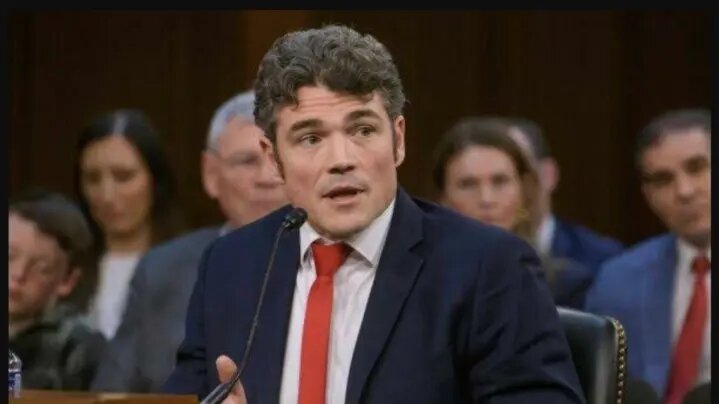
TEHRAN — The former head of the US National Counterterrorism Center (NCTC) has argued that Washington must acknowledge Iran's strengthened regional position following months of military confrontation, warning that continued attacks would only deepen strategic setbacks for the United States.
Joseph Kent made the remarks in a post on X on Sunday, saying the recent conflict had reshaped the geopolitical landscape of West Asia and rendered previous US assumptions about the region obsolete.
"The war has changed the region. Iran has emerged as a major regional power, the sooner we recognize this reality and adjust our posture accordingly, the stronger our position will be," Kent wrote.
According to the former intelligence official, the US campaign has failed to accomplish its strategic objectives. He cautioned that any attempt to launch a ground operation against Iran would prove to be "a strategic disaster," leading to significant American casualties while further destabilizing the region.
Kent also argued that the assassination of the Leader of the Islamic Revolution, Ayatollah Seyyed Ali Khamenei, produced the opposite of its intended effect. Rather than weakening the Iranian establishment, he said, the incident reinforced national cohesion, with many Iranians rallying behind the government and the Islamic Revolution Guards Corps (IRGC).
Calling for an end to hostilities, Kent proposed that Washington reduce its military footprint across the region, including the withdrawal of US troops, bases, and naval forces. Such a move, he said, would help restore uninterrupted shipping through the Strait of Hormuz by removing what Iran considers the principal source of military tension.
He maintained that many American military installations in the region have become strategic liabilities rather than assets. Their removal, he argued, would reduce the likelihood of Iranian strikes on US positions and ease risks to maritime traffic in one of the world's most important energy corridors.
Kent suggested that once tensions subside, diplomacy could resume through a framework in which the United States offers sanctions relief in exchange for assurances regarding freedom of navigation in the Strait of Hormuz.
The former NCTC director stepped down from his post on March 17, 2026, saying he could no longer support the US military campaign against Iran. At the time, he maintained that Tehran posed no imminent threat to the United States and said the conflict had been driven largely by pressure from Israel and its influential lobbying network in Washington.
The latest phase of US-Israeli military operations against Iran began on February 28, prompting Tehran to respond with daily missile and drone strikes targeting American and Israeli military assets across the region.
Leave a Comment