Iranian missile strikes on US bases in Jordan mark a new phase of conflict, analyst says
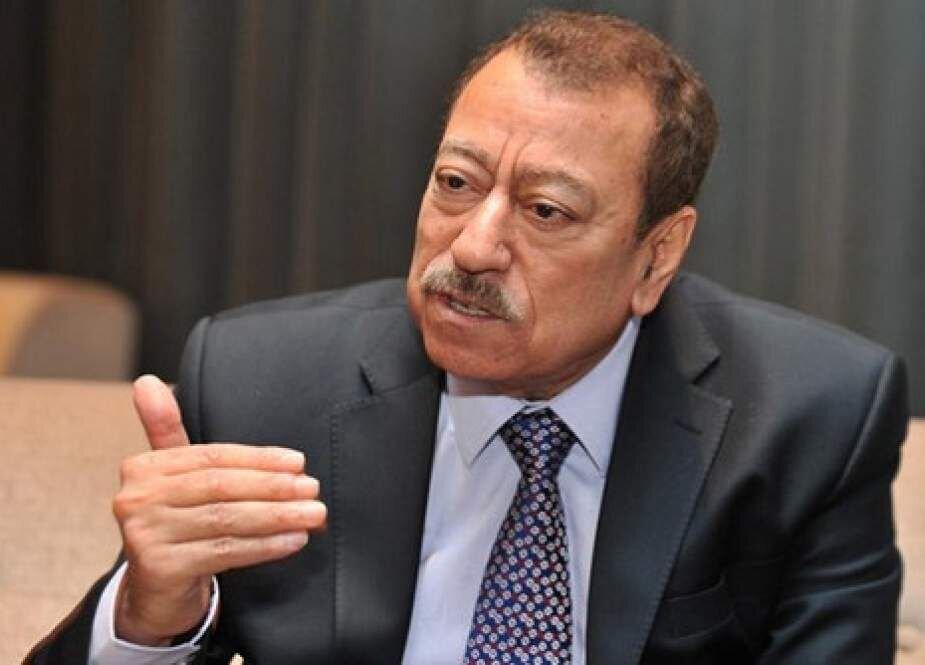
TEHRAN – Iranian missile strikes targeting US military bases in Jordan have marked a significant turning point in the ongoing conflict between Iran and the United States, according to prominent Arab political analyst Abdel Bari Atwan, who argues that the attacks signal the beginning of a new phase in the confrontation.
In an analysis published this week, Atwan said the precision of the Iranian strikes, coupled with reports of US military casualties, demonstrated a notable shift in the balance of the conflict.
According to the analysis, the missile attacks reportedly killed two American soldiers, wounded dozens of others, and left a third servicemember unaccounted for.
Atwan argued that the strikes reflected substantial advances in Iran's missile capabilities, stating that the weapons successfully penetrated US air defenses and accurately struck military installations in Jordan.
He also noted that the Islamic Revolution Guards Corps (IRGC) had launched multiple attacks against US military positions over the course of four days, with operations reportedly extending to the southern Jordanian port of Aqaba and its airport, triggering air raid sirens at several American military facilities.
Unlike previous operations that primarily targeted Israeli territory, Atwan said the latest strikes placed Jordan itself at the center of the confrontation, transforming it from a transit corridor into a direct target.
The analyst further added that the attacks exposed the existence of US military bases in Jordan that had allegedly been established without public disclosure or parliamentary approval.
According to Atwan, reports circulating in American political circles suggest the strikes could precede a broader second phase of the conflict, potentially involving attacks against Israeli territory through various operational routes, including Jordan, southern Syria, and the Gulf of Aqaba.
He also linked the attacks to 'Iran's broader retaliatory campaign' against US interests in the region, including strikes on electricity and desalination facilities in Kuwait and Bahrain following US attacks on Iranian civilian infrastructure, bridges, and railway networks.
One of the most controversial aspects of the analysis concerns the reported disappearance of a US soldier following the attacks. Atwan questioned the servicemember's whereabouts and speculated that, if reports proved accurate, the individual could potentially become a bargaining asset in any future negotiations. However, no independent evidence has been presented to support claims that a US soldier has been abducted.
Atwan argued that the arrival of American military casualties in the United States could have significant political consequences for President Donald Trump, whom he accused of entering the conflict under pressure from Israeli Prime Minister Benjamin Netanyahu.
Drawing comparisons with previous US military campaigns in Iraq and Afghanistan, the analyst said mounting battlefield casualties had historically eroded domestic support for prolonged military engagements and ultimately contributed to Washington's decision to withdraw its forces.
He cited official US military figures indicating that 16 American troops have been killed and 427 others wounded since the conflict began, while stating that the actual casualty figures may be considerably higher.
According to Atwan, growing US military losses, combined with rising living costs, fuel prices and inflation at home, are fueling public opposition to Washington's military campaign against Iran. He concluded that the outcome of the upcoming US midterm elections could significantly weaken the Trump administration and reshape the political landscape in Washington.
Leave a Comment