Araghchi calls for international accountability for environmental destruction in wars
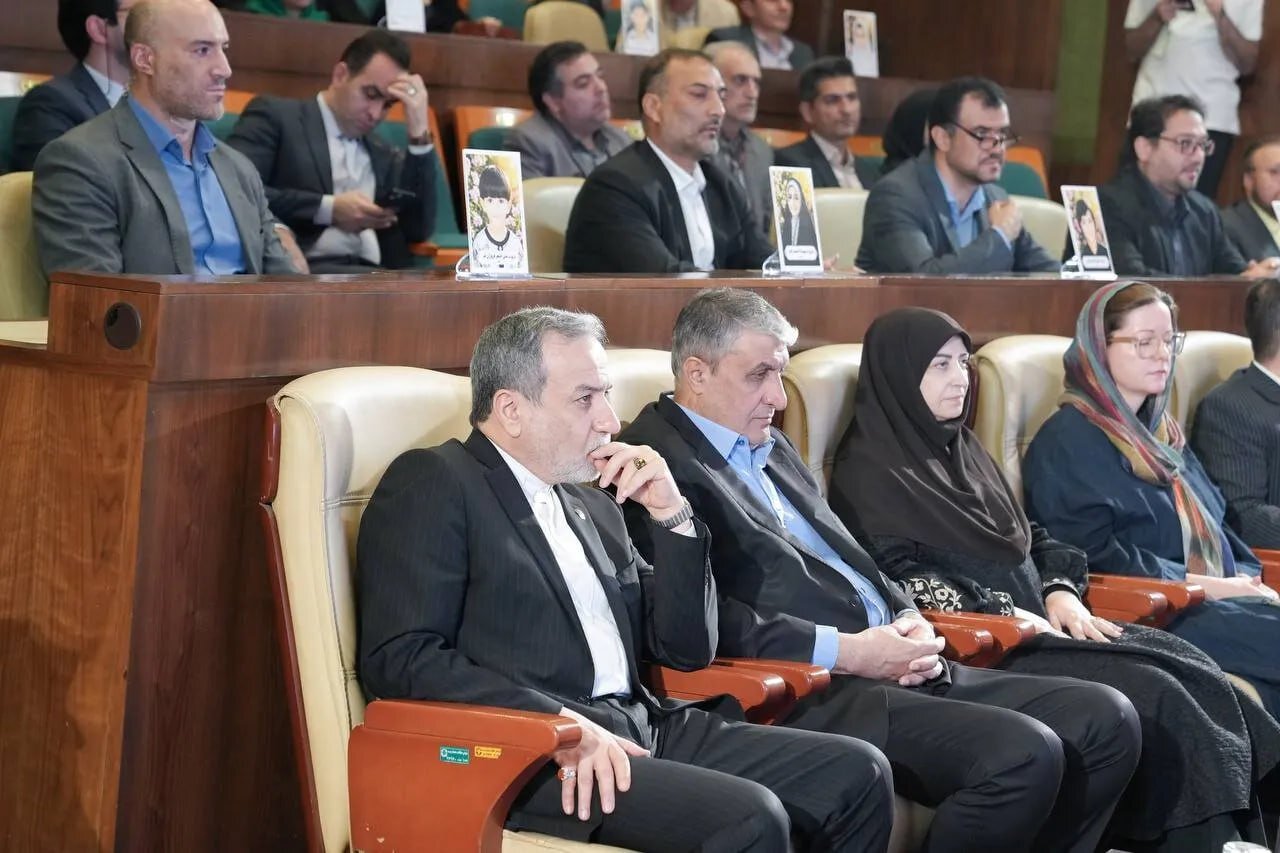
TEHRAN — Iranian Foreign Minister Abbas Araghchi has called for stronger international mechanisms to prevent and address environmental destruction during armed conflicts, stressing that the international community must move beyond expressions of concern and ensure effective accountability for those responsible.
Addressing the international conference “Ecocide: The Silent War Crime” in Tehran on Sunday, Araghchi said large-scale environmental destruction during warfare was not merely an ecological concern but an issue directly linked to the right to life, public health, food security, international peace and security, and the rights of future generations.
“Environmental protection must move beyond declarations of commitment and enter the realm of accountability, responsibility and effective international action,” he said, warning that the consequences of environmental damage could persist for years or even decades after hostilities end.
Araghchi emphasized that warfare threatens not only human lives, cities and economic infrastructure but also water resources, soil, air quality, forests, agricultural land, energy infrastructure, natural habitats and biodiversity. The release of hazardous substances, contamination of vital resources and destruction of ecosystems can impose lasting costs on civilian populations long after the fighting has stopped.
Gaza, Lebanon and Iran face lasting environmental damage
Citing Gaza, Lebanon and Iran, Araghchi highlighted the far-reaching environmental consequences of military attacks across the region.
In Gaza, he pointed to the collapse of water and wastewater networks, damage to waste-management systems, contamination of water and soil, coastal pollution, and the accumulation of vast quantities of rubble and potentially hazardous materials.
He noted that the United Nations Environment Programme (UNEP) has reported unprecedented environmental damage in the Palestinian territory, warning that the destruction of essential infrastructure and contamination of natural resources could affect public health and living conditions for decades.
In Lebanon, Araghchi highlighted damage to forests and agricultural land caused by military attacks and resulting fires. He referred to reports submitted to the United Nations documenting the burning of millions of square meters of land and damage to tens of thousands of olive trees. He also recalled the extensive coastal pollution following attacks on oil-storage facilities, illustrating how damage to industrial infrastructure can generate environmental consequences far beyond the immediate site of an attack.
Turning to Iran, the foreign minister addressed the environmental risks associated with US and Israeli attacks on Iranian oil, refinery and energy facilities in March 2026.
He cited a UNEP assessment from that month concerning attacks on oil facilities in and around urban areas, including Tehran, where fires released hazardous compounds into the environment.
Such pollutants, Araghchi warned, can spread from the atmosphere into soil and water resources and ultimately affect the food chain, creating risks that extend well beyond immediate economic losses.
The consequences are particularly serious for civilians, children and future generations, who may continue to suffer the health and environmental effects of wartime contamination long after the conflict has ended.
International law must ensure accountability
Araghchi stressed that international law must not remain indifferent to environmental destruction and violations of fundamental human rights during armed conflicts.
He called for the effective implementation of international humanitarian law, particularly the principles of distinction and proportionality, alongside a thorough assessment of the direct, indirect and long-term environmental consequences of military operations.
The principle of distinction requires parties to distinguish between military objectives and civilian objects. The principle of proportionality prohibits attacks expected to cause incidental civilian harm excessively in relation to the concrete and direct military advantage anticipated. International humanitarian law also provides specific protection for the natural environment against certain forms of damage during armed conflicts.
Araghchi argued that no state or actor should consider itself above international responsibility. Extensive ecosystem destruction, severe contamination of water and soil, and lasting damage to natural resources must be addressed through effective mechanisms for prevention, independent documentation, damage assessment, compensation and accountability.
He said Iran supports legal and expert discussions aimed at strengthening international environmental protection, including consideration of recognizing ecocide as a distinct international crime.
The concept of ecocide broadly concerns exceptionally severe environmental destruction. Proposals to establish it as a separate international crime have gained attention in international legal discussions, although its precise definition, scope, and legal status remain subjects of debate.
For Iran, Araghchi indicated, strengthening international protection requires moving beyond general declarations and developing practical mechanisms capable of establishing responsibility and addressing the consequences of environmental destruction.
Iran warns against double standards in environmental protection
The foreign minister also warned against double standards and the politicization of environmental issues, insisting that environmental obligations must be applied fairly, transparently and without discrimination.
Environmental protection, he said, must not become a privilege for some countries and an obligation on others.
Araghchi further called for serious examination of the legal, humanitarian and environmental consequences of unilateral coercive measures that restrict countries' access to financing, clean technologies and essential equipment needed to protect the environment, manage ecological emergencies and address climate change.
He argued that environmental justice requires developing countries to have access to financial resources, scientific expertise and clean technologies necessary to respond to environmental challenges without unnecessary or discriminatory barriers.
He also stressed that independent documentation of environmental damage, scientific assessment of its long-term effects, and arrangements for compensation and rehabilitation should form an integral part of the international response to armed conflicts.
Three priorities for international cooperation
Araghchi proposed three priorities for strengthening international cooperation to prevent environmental destruction and address its consequences.
First, he called for stronger international legal frameworks and clear criteria for identifying, assessing, and responding to cases of extensive and severe environmental damage.
Second, he proposed the establishment of impartial, science-based mechanisms to document environmental damage caused by armed conflicts, assess its long-term consequences, determine applicable legal responsibilities and facilitate compensation.
Third, he urged expanded regional and international cooperation to prevent environmental destruction, restore damaged ecosystems and support countries and communities that lack adequate financial resources or technical capacity.
COP31 offers an opportunity to address the environmental costs of war
Araghchi also identified the 31st Conference of the Parties to the United Nations Framework Convention on Climate Change (COP31) as an opportunity to draw greater international attention to the environmental and climate consequences of military attacks.
He said Iran was prepared to contribute its scientific, legal and diplomatic capabilities to collective efforts aimed at preventing large-scale environmental destruction, strengthening regional cooperation and promoting international accountability.
The foreign minister emphasized that environmental damage caused by armed conflict cannot be treated as a secondary consequence of war. Its effects on public health, food security, natural resources and the livelihoods of affected communities make it an issue of international concern.
Concluding his remarks, Araghchi called on the international community to ensure that those responsible for environmental destruction do not escape accountability.
“Nature has no voice at the negotiating table or on the battlefield,” he said, stressing that collective action is necessary to prevent environmental devastation from coming at the expense of humanity's future.
Leave a Comment