Iranian Parliament passes legislation defining crimes of foreign aggression
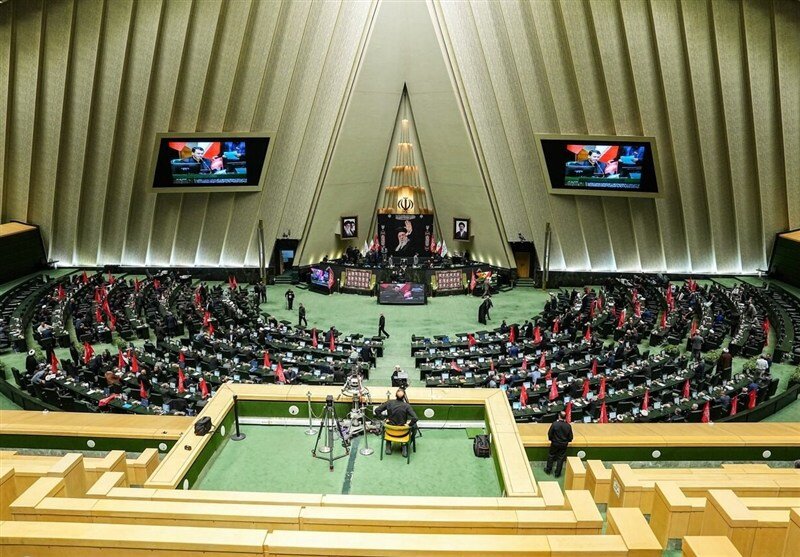
TEHRAN — Iranian lawmakers have overwhelmingly approved key provisions defining and criminalizing acts of foreign aggression against the country's national sovereignty and territorial integrity.
During a parliamentary session focused on a single-urgency bill aimed at combating international crimes, representatives ratified Articles 7 and 8 of the draft law. The legislative measure establishes a firm judicial mandate targeting political officials and military leaders who plan, initiate, or execute aggressive actions against the nation's independence.
Under Article 7 of the law, any act of aggression, planning, or preparation directed against the country’s sovereignty or political independence—regardless of whether a formal declaration of war has been issued—is classified as a major crime. Those found guilty, including high-ranking commanders and directors, face Grade 1 imprisonment alongside substantial monetary fines.
The newly approved legislation outlines six specific categories of illegal foreign aggression: direct armed invasions, military occupations, or forceful territorial annexations; unprovoked bombardment or missile strikes against national territory; naval blockades targeting ports or coastal waters; attacks against land, sea, or air defense forces; misuse or unauthorized extension of foreign military presence beyond contractual agreements; and permitting national territory to be utilized by a foreign state for launching attacks against a third party.
Furthermore, Article 8 provides the legal mechanism for prosecuting accomplices and individuals attempting to execute such crimes, adjusting judicial penalties by one degree based on the scope and gravity of the offense. Parliamentary officials emphasized that the passage of these provisions reinforces the nation’s commitment to international legal standards while establishing a clear legal framework to deter and punish any foreign infringement on the country's territorial boundaries.
Leave a Comment