Iran FM blames US for regional tensions, cites violation of June MoU
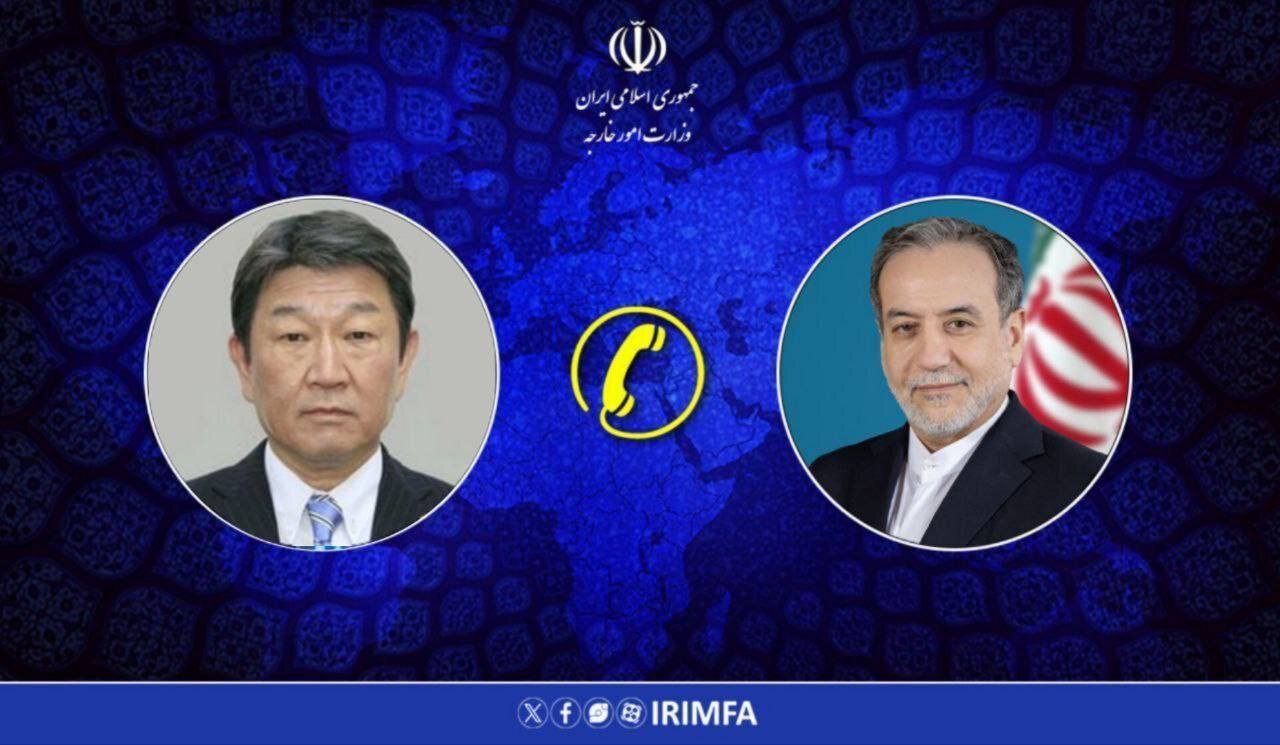
TEHRAN — Iran’s Foreign Minister Abbas Araghchi said the current “tense situation” in the region stems from the United States’ “regrettable” violation of the memorandum of understanding (MOU), stressing that the path to de-escalation is straightforward.
“The solution is simple; the return and adherence of the American side to its commitments and signing of the memorandum of understanding will pave the way for a return to normalcy,” Araghchi said in a phone call with Japanese Foreign Minister Toshimitsu Motegi on Tuesday.
The top Iranian diplomat also provided his Japanese counterpart with a detailed account of the latest state of negotiations between Tehran and Muscat over the Strait of Hormuz. Araghchi said the two countries have made “significant progress” in talks aimed at establishing a temporary transit arrangement in the strategic waterway. He emphasized the continuation of consultations between Iran and Oman to reach agreement on future mechanisms for managing the Strait.
For his part, the Japanese foreign minister expressed concern about the escalation in the region and emphasized the need for “continued diplomatic consultation and coordination” among countries to establish peace and freedom of navigation in the Strait of Hormuz.
Tensions in the Persian Gulf escalated sharply after Washington walked away from the memorandum of understanding that had been negotiated with Tehran as part of the diplomatic track aimed at defusing the crisis over the Strait of Hormuz. Under the June 17 MOU, the US side had undertaken a series of commitments — including the lifting of sanctions and the release of Iran’s frozen assets — in exchange for Iran’s cooperation in restoring normal navigation in the waterway.
However, American officials failed to honor the agreed commitments and violated the MoU. Iranian officials say the US reneging on the agreement — coupled with continued pressure measures and the presence of US naval forces in the region — sabotaged the diplomatic understanding and triggered the current state of tension, forcing Tehran to adopt reciprocal measures, including the imposition of restrictions on passage through the Strait.
Iran has repeatedly stated that it does not seek escalation but insists that any resolution must be based on mutual respect and the fulfillment of commitments. Tehran maintains that the reopening and management of the Strait of Hormuz remains exclusively within the purview of Iran and Oman, and has conditioned a return to normalcy on Washington’s adherence to its undertakings, the removal of sanctions, and the unfreezing of Iranian assets.
The phone conversation with the Japanese foreign minister is part of Tehran’s intensive diplomatic contacts with Asian and regional capitals amid the ongoing crisis. Japan, a major consumer of energy passing through the Strait of Hormuz, has repeatedly called for restraint and dialogue, positioning itself as a potential facilitator of de-escalation between Tehran and Washington.
Araghchi’s remarks underscore Iran’s consistent position that diplomacy remains the sole durable path to resolving the crisis — but only if the American side returns to the negotiating table and honors the commitments it has already accepted.
Leave a Comment