Collective efforts needed to counter US unchecked power: Sharif University
‘Overt military intimidation and economic strangulation designed to incite internal fragmentation entail global attention’
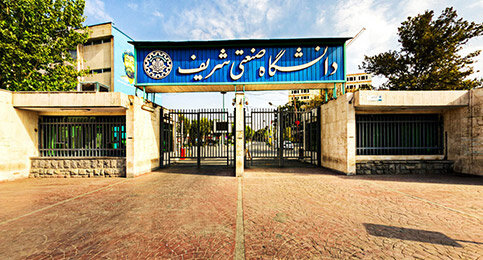
TEHRAN - Sharif University of Technology has issued a statement signed by 103 faculty members warning against the global threats of the unchecked power of the United States and the need for a collective responsibility to counter them.
We, faculty members of Sharif University of Technology, believe the current trajectory of the United States’ foreign policy has crossed beyond the bounds of international law. These policies are not merely a challenge to the security of Iran as an independent state; they represent a profound threat to international peace and the global order.
The United States has opened new horizons for state-sponsored violence through the assassination of scientists, the abduction of officials, and the legitimization of aggression against civilian populations. This school of thought, in its own omnipotence, has led the American leadership to dismantle international institutions and norms, resulting in the death of countless innocent people worldwide. From the ruins of Gaza and Yemen to the besieged sovereignty of Venezuela and Libya, the imprint of this destructive doctrine is undeniable.
This represents a deliberate degradation of the international system from a state of civil society to a Hobbesian state of nature, where raw power and escalating violence replace law and dialogue. The policies being deployed against Iran’s nation— overt military intimidation, covert operations, and economic strangulation designed to incite internal fragmentation —demand global attention and resistance now, before another region or nation would be ruined by the consequences of the
U.S. imperial aggression.
We recognize a universal human responsibility. We must all—irrespective of our differing political beliefs—work to inform the global publics about the catastrophic consequences of these malicious policies. We must unequivocally condemn this pattern of intervention and violence.
As scholars and citizens of one of the world’s oldest civilizations, we call for the mobilization of all national, regional, and international capacities to resist complicity with these inhumane policies. We must unite to prevent the world from descending further into a state where might makes right and where powerful actors are free to act without law or limits.
Our stance is one of the principles in defense of human dignity and a just world order. We stand in solidarity with all peoples who are threatened by the lashes of unrestrained power and violence, conscious that in our own homeland, Iran, the time for vigilance and collective action is now.
Signed,
A group of concerned faculty members Sharif University of Technology Tehran, Iran
- Farhad Ardalan
- Mehdi Golshani
- Saeed Sohrabpour
- Mohammad Ali Kouchakzadeh
- Rahim Faez
- Rasool Jalili
- Masoud Darbandi
- Saeed Behzadipour
- Mohammad Etemadi
- Majid Abbaspour
- Seyyed Abbas Mousavi
- Aria Alasty
- Hassan Salarieh
- Alireza Bahrampour
- Mehdi Ehsan
- Azam Iraji zad
- Seyed Mohammad Mahdavi
- Hadi Nobahari
- Hamid Behroozi
- Amir Hossein Jahangir
- Jafar Habibi
- Behzad Ahi
- Shahab Ayatollahi
- Ali Fotowat Ahmady
- Mohammad Reza Arasti
- Mohammad Saeed Seif
- Hossein Asadi
- Javad Akbari
- Karim Mazaheri
- Alireza Ejlali
- Reza Yousefi
- Mohammad Mirzaei
- Abbas Mozaffar
- Reza Naghdabadi
- Mohammad Haeri
- Mohammad Taeibi Rahni
- Mahmoud Bahmanabadi
- Mahmoud Saadat Foumani
- Mostafa Taqavi
- Bijan Vosoughi Vahdat
- Seyyed Mohammad Bagher Malaek
- Mohammad Bagher Shamsollahi
- Hassan Mahani
- Mohsen Masihi
- Alireza Zarei
- Mohammad Sharifkhani
- Reza Moghadasi
- Mohsen Fathi
- Ebrahim Souzanchi Kashani
- Naser Karami
- Kazem Hejranfar
- Ayoub Torkian
- Mohammad Farahani
- Mohammad Outokesh
- Omid Akhavan
- Mohammad Bazargan
- Seyyed Mir Abolhassan Vaezi
- Aliakbar Abolhasani
- Seyyed Mohammad Karbasi
- Mojtaba Mahsuli
- Mehdi Kargarian
- Mohammad Amir Dastgheib
- Siavash Bayat-Sarmadi
- Asad Kalantarian
- Mohammad Mahdi Ahadian
- Saeid Jamshidi
- Ebrahim Azadegan
- Ali Khademi
- Hamed Manouchehri Kousha
- Mahdi Fateh Rad
- Noushin Chatrchi
- Farid Ashtiani
- Mohamad Mahdi Rohani Mashhadi
- Hossein Nejat
- Hossein Khajehpour
- Alireza Moazezi Mehretehran
- Seyed Ali Taheri Khorramabadi
- Mohammad Reza Morad
- Amin Fazli
- Akram Avami
- Saeed Eini
- Kaivan Mohammadi
- Masoud Shadnam
- Marzieh Saghafian
- Hoda Mahammadzade
- Mohammad Hossein Yassaee
- Abbas Ebrahimi
- Matin Hashemi
- Saeed Tajrishy
- Hamed Sadeghi
- Ata Pourmahmoud
- Alireza Sharifi
- Seyed Ali Akbar Sajadi
- Yasaman-Sadat Borghei
- Hossein Askaripour
- Mohammad Reza Razvan
- Rouhollah Amiri
- Seyyed Ali Emami Khansari
- Mohamad Sadegh Karimi
- Ali Meghdari
- Maryam Mirkamali
- Alireza Jahantigh
- Hamoon Tahmassebi
- Farzam Fotovat
- Mohammad Ali Ahmadi
- Mana Meskar
- Masoumeh Koochak Shooshtari
- Mohammad Hadi
- Javad Ebrahimi Broojeni
- Mohammad Mahdi Mojahedian
- Siavash Ahmadi
- Moslem Habibi
- Amir Nourani
- Mohammad Hasan Ravanji
- Majid Gholipour
- Reza Bagheri
- Hamid Mehdigholi
- Gholamreza Pircheraghi
- Maryam Radman
- Seyed Fakhreddin Tabatabaie (Board Member)
Leave a Comment