Hojjatoleslam Imanipour addresses 15th General Conference of ICESCO in Russia
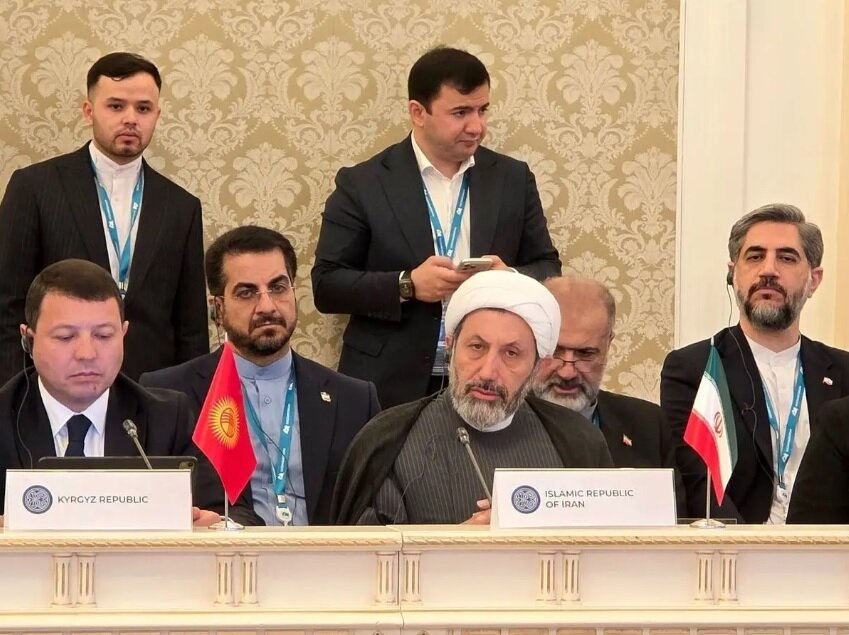
TEHRAN – The 15th session of the General Conference of the Islamic World Educational, Scientific and Cultural Organization (ICESCO) opened on Wednesday in Kazan, Republic of Tatarstan of the Russian Federation, on the sidelines of the 17th Russia–Islamic World International Economic Forum: KazanForum, with the participation of a number of ministers, heads of national commissions, member states’ delegations, and representatives of international and regional organizations from more than 35 countries.
Representing Iran at the session, Hojjatoleslam Mohammad-Mehdi Imanipour, head of the Islamic Culture and Relations Organization (ICRO), delivered a speech on Friday morning, ILNA reported.
“For many years, the Islamic world has been a victim of inhumane crimes and genocides. Unfortunately, international institutions that were expected to prevent or stop such crimes have revealed their ineffectiveness to the world. This continuous wave of aggression and massacre stems from various causes — from the plot of ‘Greater Israel’ to the plundering of independent nations’ wealth — but the main reason seems to be the fear of justice-seeking movements, spiritual revival, and adherence to principles in the face of extremism and excess.”
He emphasized that the main concern of arrogant powers is the emergence of a new discourse that challenges the immoral values of liberal democracy and heralds the formation of a new civilization.
Referring to the crimes committed by the United States and the Zionist regime against Iran, Imanipour stated: “The war imposed on Iran under false pretexts was a clear example of war and rebellion against humanity and freedom. The assassination of a spiritual and justice-seeking leader who was followed by people of all faiths and freedom-loving societies; the massacre of 168 innocent students at the Shajareh Tayyebeh School in Minab; overt threats to destroy one of the world’s oldest civilizations; damage to ancient and global heritage sites; insults to religious leaders — including the leader of the Catholic Church — for opposing war and supporting peace; and hundreds of other crimes have unmasked the true face of the false claimants of freedom.”
“The war imposed on us today is the third one since the victory of the Islamic Revolution. We deeply believe that this assault goes far beyond national and territorial boundaries. The Islamic Republic of Iran stands on the front line of resistance against the expansionism of the Zionist regime on behalf of the free nations and the entire Islamic world,” he added.
During his meeting with Olga Lyubimova, the Minister of Culture of the Russian Federation, Imanipour emphasized the importance of cultural cooperation between the Islamic Republic of Iran and the Russian Federation.
He expressed gratitude to the people and government of Russia for their support of Iran during the third imposed war launched by the United States and the Zionist regime against the country, highlighting the historical bonds and the prominent role of cultural exchanges between the two nations.
“Today, Russia is playing a constructive role in the Islamic world, and the meeting of the cultural ministers of OIC member states hosted in Kazan is one example of that,” he said.
For her part, Lyubimova underlined the significance of cultural relations between Russia and Iran and, while expressing appreciation for the presence of Iranian filmmaker Majid Majidi in Russia and the screening of his films, voiced interest in expanding cinematic diplomacy between the two nations.
The KazanForum, which was held in Kazan from May 13 to 15, was an opportunity for the Islamic Republic of Iran to once again demonstrate its civilizational and cultural position in the international sphere amid regional and global developments.
The city of Kazan, which recently celebrated the 1,100th anniversary of the arrival of Islam in Russia, was selected and introduced at last year's summit of the Ministers of Culture of the Organization of Islamic Cooperation as the cultural capital of the Islamic world in 2026.
This year’s summit was attended by officials and cultural figures from the Islamic world, including the culture ministers of Turkmenistan, the Republic of Azerbaijan, Sudan, Djibouti, the United Arab Emirates, Egypt, Kyrgyzstan, Somalia, Guinea-Bissau, Sierra Leone, Gabon, Guinea, Uzbekistan, and Libya, the director general of ISESCO, and the deputy secretary general of the Organization of Islamic Cooperation.
SS/
Leave a Comment