Iran economy minister dismisses U.S. "unprecedented" threat as policy frustration sign
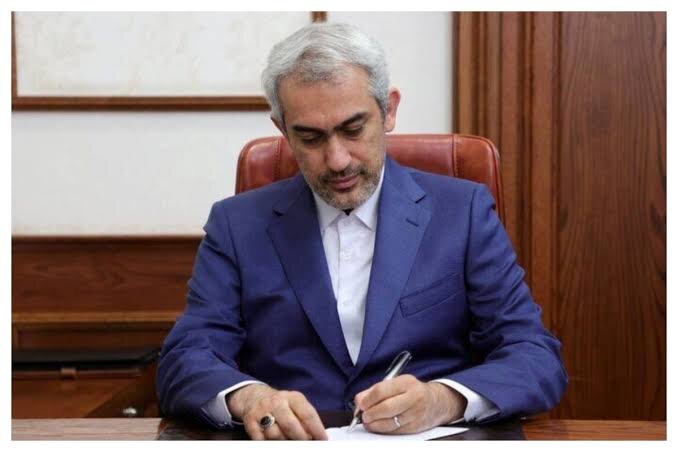
TEHRAN- In response to U.S. Treasury Secretary Scott Bessent’s recent warning that Washington would impose measures against Iran “never seen before,” Iran’s Economy Minister Seyed Ali Madanizadeh characterized the remarks not as a display of American strength but as an indication of policy frustration after repeated pressure campaigns have failed to yield their intended results.
The minister’s remarks come as follows:
The U.S. Treasury Secretary’s recent remarks and his attempt to portray Iran’s economy as being in “unprecedented isolation” are less a sign of strength than an indication of policy frustration after failing to achieve the intended objectives against the Iranian people. When successive instruments of economic pressure have been tested without producing the expected results, repeating economic threats in increasingly sweeping terms does not alter the realities on the ground.
The Iranian people are no strangers to such rhetoric or to repeated claims of unprecedented pressure. For years, each new round of pressure has been presented as “unprecedented.” Yet Iran has remained standing, continued to trade and produce, and maintained plans for its economic future. This does not mean that the economic impact of external pressure is being denied or minimized. The government’s responsibility is to mitigate the effects of any external pressure through sound economic policymaking, structural reforms, and support for production and household livelihoods. The difference today is that Iran’s economy is increasingly moving toward greater domestic capacity, a more diversified trading-partner base, stronger use of regional economic opportunities, and reduced vulnerability to external pressure.
The United States should understand that the same nation that defended its country with solidarity and resilience on the battlefield and in the streets will not surrender to economic pressure and threats either. The government and the people are not two separate fronts in this arena. The government’s responsibility is to build a stronger economy and protect people’s livelihoods and businesses, while public trust and support will remain the principal source of strength for that effort.
Iran’s response to economic threats is not a war of words or reciprocal threats. It is to build an economy that becomes less vulnerable to sanctions with each passing day. The greater the external pressure, the more urgent it becomes for us to pursue economic reform, strengthen domestic production, expand regional trade, develop financial and commercial channels, and make greater use of the country’s internal capacities.
Another reality should not be overlooked: efforts to disrupt trade and energy flows in one of the world’s most strategically important economic regions do not come without costs to the global economy. Those who speak of Iran’s “economic isolation” should also be prepared to account for the consequences of their policies for global markets, international trade and energy security.
We see the future of Iran’s economy not in Washington, but in Iran’s factories, Iranian businesses, the capabilities of the country’s young population, economic ties with neighboring countries and trading partners, and structural reforms at home.
The Iranian people have not grown tired of hearing repeated threats; they have become accustomed to them. What matters is that, rather than becoming trapped in a war of words, we demonstrate through economic activity, reform and the strengthening of national economic capacity that the era in which such rhetoric could influence the decisions and resolve of the Iranian people has passed.
Leave a Comment