National document on women’s health declared
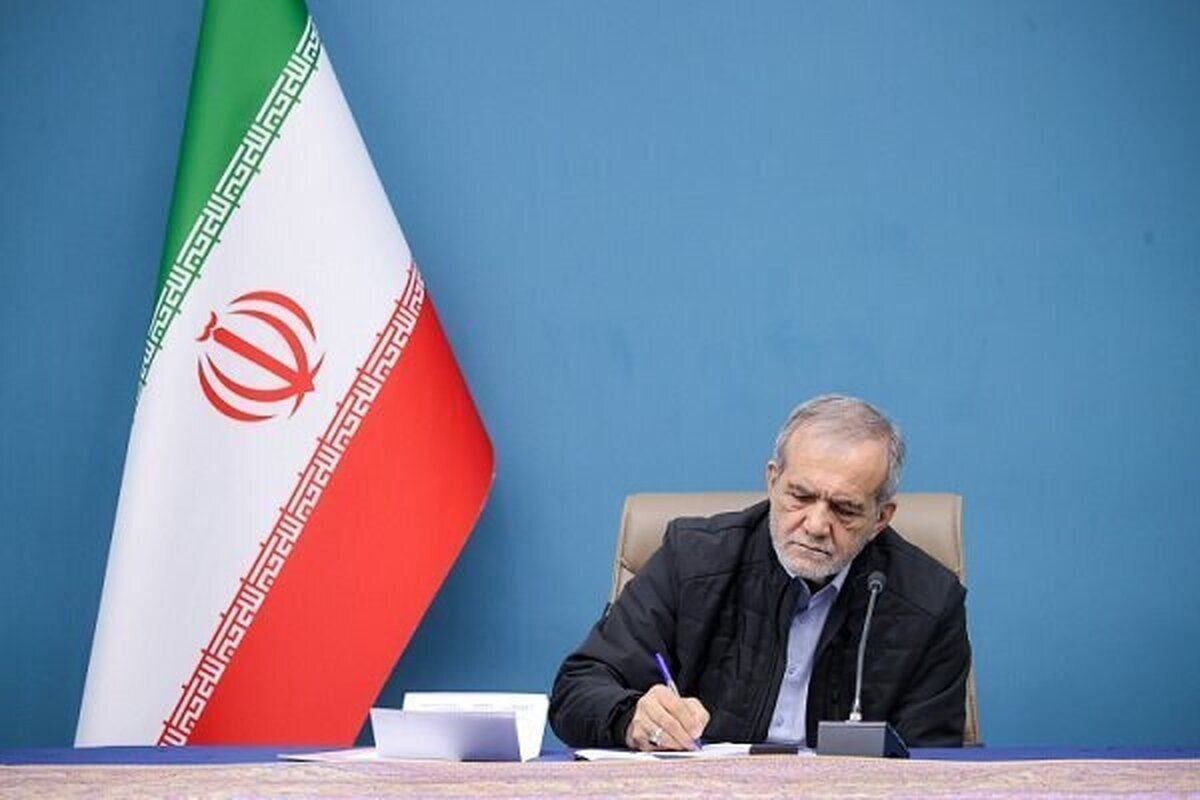
TEHRAN – President Masoud Pezeshkian has declared the national document on women’s health as a comprehensive and strategic initiative to enhance women’s physical, mental, psychological, social, and spiritual well-being.
Approved on November 18 by the Supreme Council of Cultural Revolution, the document highlights family-centeredness, Islamic-Iranian lifestyle, maternal dignity, and youth policies, IRNA reported.
By expanding women’s access to quality health care, the document strives to improve the health of women and their families, and help them enjoy a long and healthy life.
The decisive role of women in ensuring the happiness of the future generation and the cultural and educational ideals of society, especially the family, requires the promotion of their health as half of the country’s population.
Although in Islamic thought, women and men have similarities in terms of human rights, they have differences in terms of physical and psychological characteristics. According to scientific evidence, some diseases and health problems are specific to women due to their biological, sexual, and gender characteristics, and some illnesses cause different risks, prevalence, severity, complications, and impacts on their lives, which doubles the need to pay attention to the differences between the two sexes and their social roles in health care.
The document consists of an introduction and four chapters that create the roadmap for coordination between the responsible agencies, including the ministries of health, interior (Social Affairs Organization), labor (National Welfare Organization), sports, and other government bodies.
The introduction of the document focuses on generalities, defining physical, mental, psychological, social, spiritual, fertility, and reproductive health, as well as risk factors, social harm, individual and social determinants of health, chaste living, self-care, health literacy, and ways to promote health.
The second chapter is centered around foundations, principles, and values. The third chapter highlights vision, goals, policies, and national actions.
And the last chapter elaborates on the institutional framework, implementation requirements, monitoring, and evaluation.
MT/MG
Leave a Comment