Tehran, Dushanbe open virtual exhibition highlighting shared decorative arts
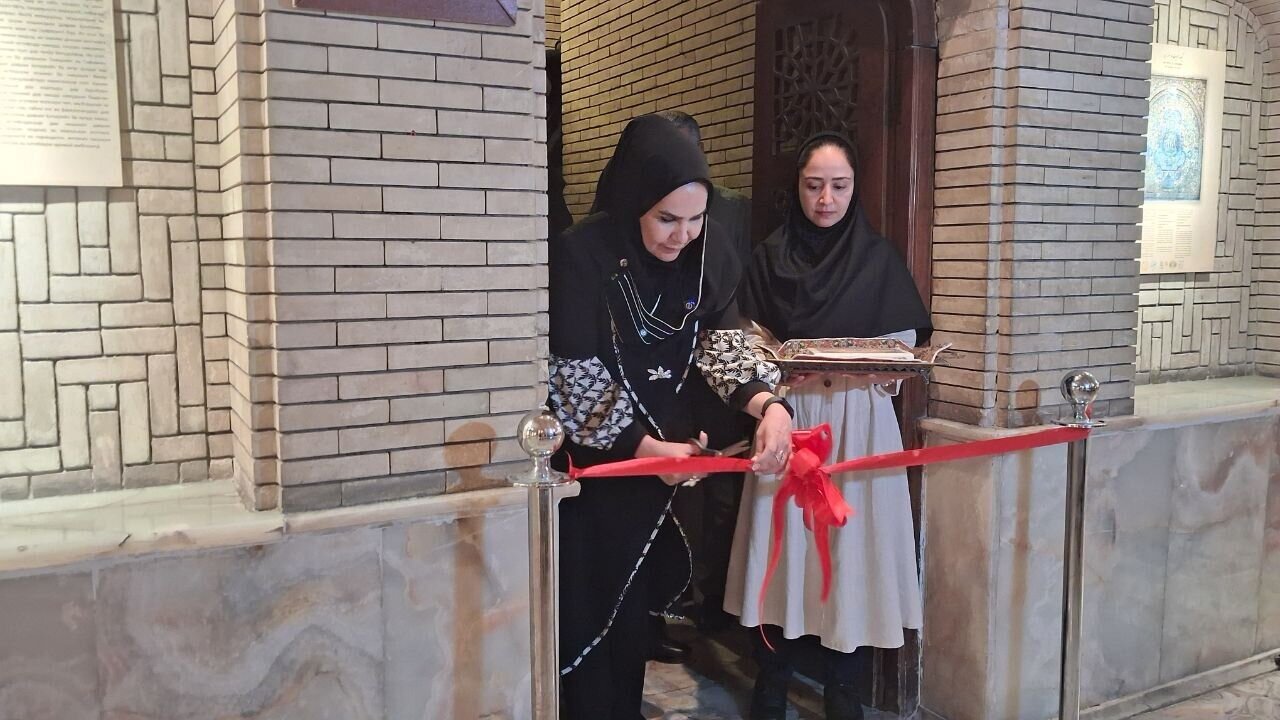
TEHRAN – A joint virtual exhibition showcasing Iran’s Qajar-era tilework and Tajikistan’s traditional Kundal decorative art has opened simultaneously at the Golestan Palace World Heritage site in Tehran and the National Museum of Tajikistan.
The exhibition, titled “One Heritage, Two Lands,” features about 20 digital images of Kundal artworks from Tajikistan alongside 10 images of Qajar-era tilework from the eastern and southern sections of the Golestan Palace complex.
Speaking at the opening ceremony on Tuesday, Golestan Palace Director Imam Ali Emami said high-quality digital images of Tajikistan’s Kundal works, accompanied by relevant information, had been provided by the National Museum of Tajikistan. They are being displayed alongside digital images of tilework from Golestan Palace.
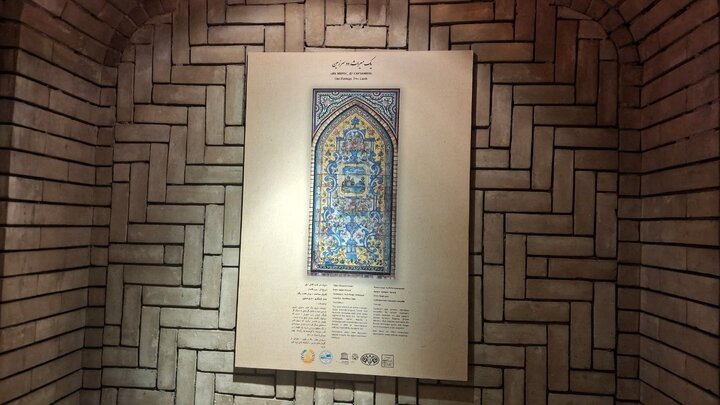
Kundal is a traditional decorative art in Tajik architecture whose roots date back to the 14th and 15th centuries. The technique uses vegetal, arabesque and geometric motifs on plaster and wood and is used to decorate walls and ceilings, in ways comparable to the decorative role of tilework in Iranian architecture, Emami explained.
Alisher Zarifi, first deputy director of the National Museum of Tajikistan, who addressed the ceremony online, said the exhibition provided an opportunity to introduce the two countries’ shared historical and cultural heritage to an international audience.
He said the National Museum of Tajikistan has organized 22 exhibition halls dedicated to presenting the country’s history and culture, including historical and cultural artifacts, artworks and representations of the customs, traditions and rituals of the Tajik people.
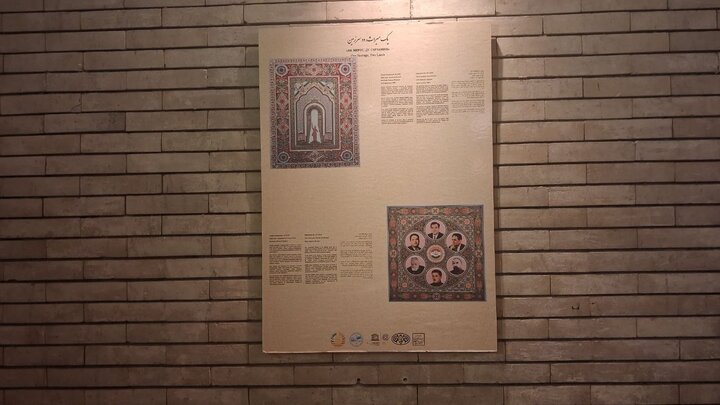
The museum seeks to portray Tajik history from ancient times and the formation of states to the contemporary era, while introducing different aspects of Tajik culture and civilization to visitors, Zarifi added.
He said the joint virtual exhibition was organized as part of the museum’s international cooperation program and ahead of Tajikistan’s 35th anniversary of state independence. The exhibition focuses on Tajik Kundal art and Iranian tilework.
Zarifi said the initiative would allow both sides to present their historical and cultural collections to a global audience, noting the longstanding historical and cultural ties between the peoples of Iran and Tajikistan.
AM
Leave a Comment